Unlocking Value: Understanding HUD Foreclosed Homes and Their Potential Benefits
Discover the intriguing world of HUD foreclosed homes and why they might present a unique opportunity for savvy investors. In this article, we delve into how these foreclosures work and explore why their prices could be appealing.
Understanding HUD Foreclosed Homes
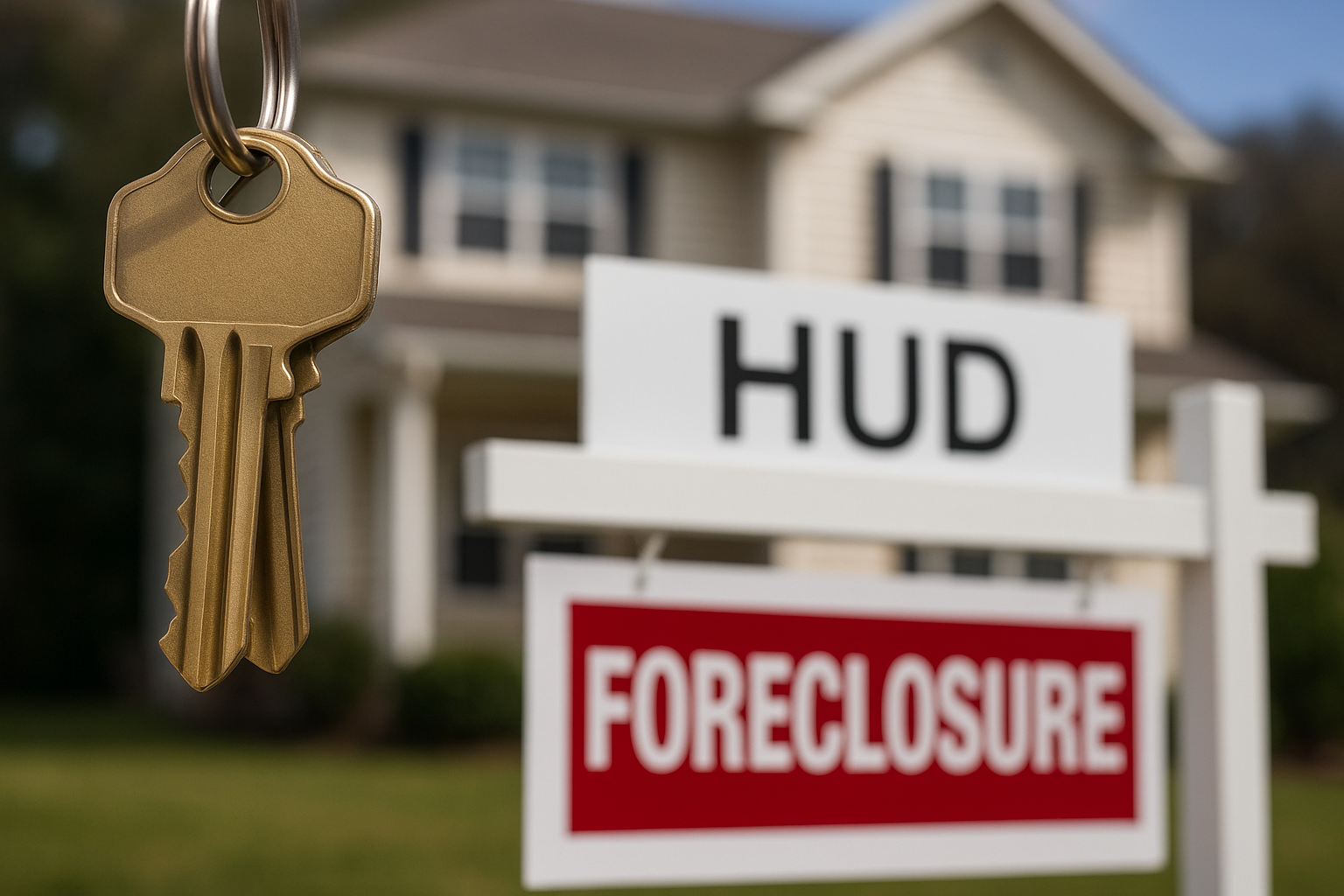
HUD foreclosures, or homes that have been repossessed by the Department of Housing and Urban Development, represent a unique opportunity for certain buyers. These properties typically become HUD foreclosures when a homeowner defaults on an FHA loan. The FHA is a type of mortgage backed by the Federal Housing Administration, and when these loans go into default, HUD takes ownership of the property.
How Does the HUD Foreclosure Process Work?
The process begins with the homeowner defaulting on an FHA loan, often due to financial difficulties. The lender will then initiate foreclosure proceedings. Following the foreclosure, ownership of the property transfers to HUD. HUD then evaluates the home and lists it for sale, usually on the HUD Home Store site, often at a discounted rate to move it quickly.
Once a HUD foreclosed home is listed, it is available for purchase by owner-occupants and real estate investors. There is typically an initial period where the home is only available to potential owner-occupants to promote neighborhood stability. If the home doesn't sell during this period, it becomes available to all buyers, including investors.
Why Do HUD Foreclosures Offer a Unique Opportunity?
Discounted Prices
HUD foreclosures often come with reduced price tags. HUD is keen to sell these homes quickly, leading to discounted pricing strategies. This makes them particularly appealing to first-time homebuyers and investors looking for value.
Potential for Equity Growth
Purchasing a HUD home at a discount can offer significant equity-building opportunities, especially in rising real estate markets. With some renovations and smart management, these properties can increase in value significantly, offering potential future returns.
For example, according to a study in 2025 by the National Association of Realtors, homes bought at foreclosure auctions appreciated by 15% on average over five years, outperforming standard market homes.
Access to Special Financing Options
Several financing options exist for HUD homes, such as the FHA's 203(k) loan which allows for the cost of repairs and improvements to be included in the mortgage. This loan can make it easier for buyers to purchase homes needing renovation.
Considerations When Buying HUD Foreclosures
Evaluate the Condition of the Property
HUD homes are sold "as-is," meaning any existing problems come with the purchase. It's crucial to perform thorough inspections and assess the property's condition comprehensively. Hiring a professional home inspector is often advisable.
Be Ready for a Competitive Bidding Process
The HUD home buying process can be competitive, especially in markets with limited housing inventory. Understanding the bidding process and setting a realistic budget beforehand can make a significant difference.
- Submit your bid through a HUD-registered real estate agent.
- Bidding is typically open for the first 30 days to owner-occupants only.
- If no bids are accepted, the property opens to all prospective buyers.
Understanding the Closing Process
The closing process for a HUD home might differ slightly from a conventional sale. Buyers need to be prepared with all necessary documentation and work closely with their real estate agent to ensure a smooth transaction.
Case Studies: Success Stories with HUD Homes
To illustrate the potential of HUD foreclosures, consider the case of a couple in Texas who purchased a HUD home in Austin. They invested modestly in renovations, held onto the property for three years, and consequently saw a 40% return on their initial investment.
In another instance, a real estate investor in Florida purchased a HUD foreclosure, renovated it, and utilized it as a rental property. Over a five-year period, the property produced a consistent positive cash flow, allowing the investor to expand their portfolio.
Conclusion: Is a HUD Foreclosure Right for You?
HUD foreclosures can present unique opportunities for savvy buyers, whether you're looking for an affordable entry into homeownership or a promising investment. By understanding the process, evaluating risks, and considering potential returns, you can make informed decisions that align with your financial goals. However, it's important to perform due diligence and seek professional advice when necessary.
For more information and guidance, you should consult with a real estate agent experienced in HUD transactions. This can make navigating the often-complex purchasing process more manageable and increase your chances of securing a property that meets your needs and budget.
Sources: HUD Official Site, National Association of Realtors (NAR)
https://www.hud.gov/sites/dfiles/Housing/images/BuyerFAQs.pdf
https://better.com/content/what-is-a-hud-home
https://www.chase.com/personal/mortgage/education/buying-a-home/hud-home
https://www.freedommortgage.com/learn/homebuying/hud-homes