Unpacking the Real Cost of "Cheap" Full Coverage Car Insurance
Looking for cheap full coverage car insurance? You might rethink what cheap truly means in the world of auto insurance. While low premiums seem attractive, they don’t always cover all unexpected accidents or damages as you might assume.
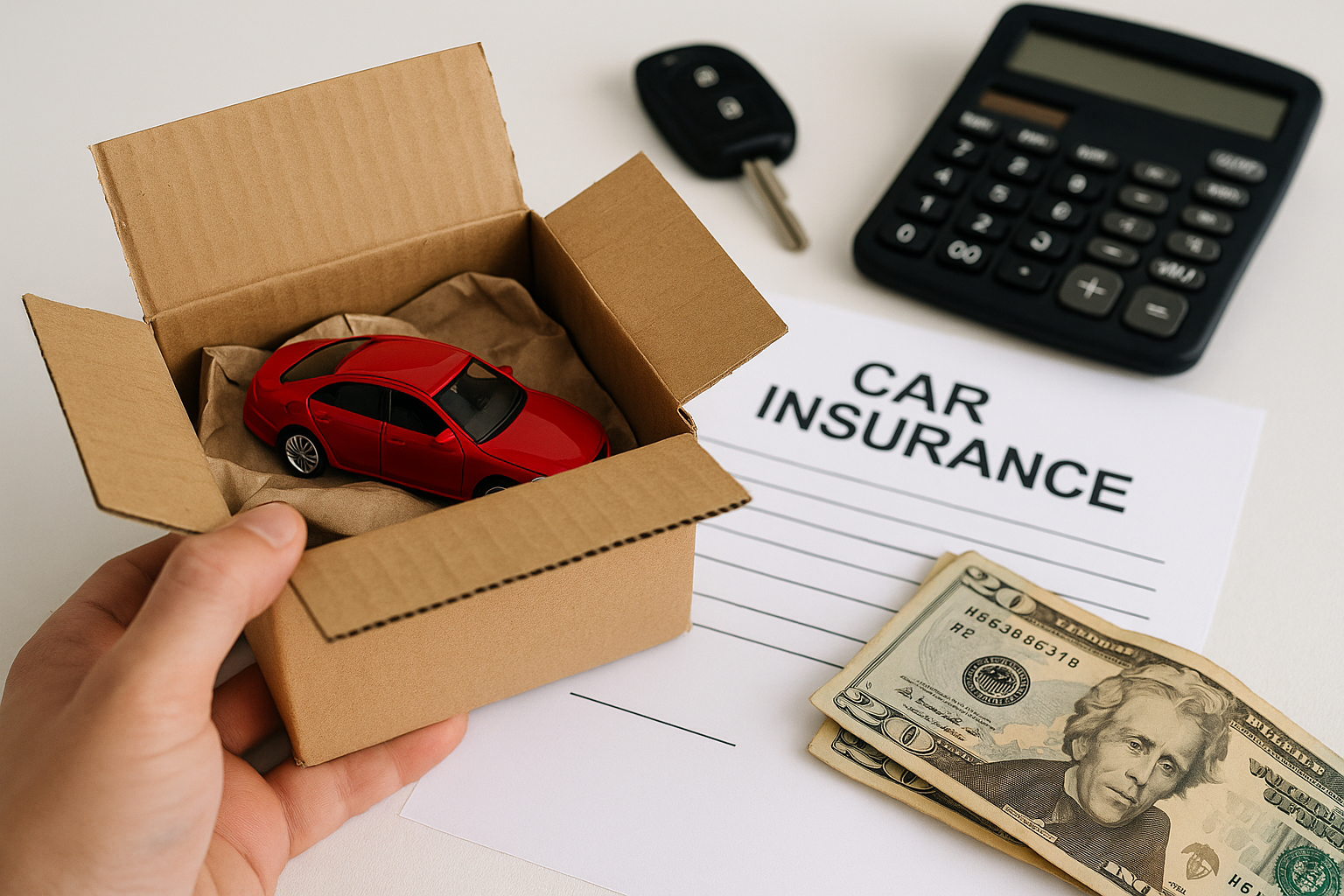
Understanding Full Coverage Car Insurance
Full coverage car insurance is a term commonly used in the insurance industry to describe a combination of coverage types that protect a driver against a range of potential incidents. This includes liability insurance, collision insurance, and comprehensive insurance. However, the term "full coverage" can be misleading, as it suggests more protection and fewer out-of-pocket costs than it sometimes delivers.
Components of Full Coverage
- Liability Insurance: This mandatory coverage pays for damages and injuries to others if you are at fault in an accident.
- Collision Coverage: Pays for damage to your vehicle from a collision with another car or object.
- Comprehensive Coverage: Covers non-collision related incidents such as theft, natural disasters, or vandalism.
Why Cheaper Isn't Always Better
The allure of "cheap full coverage car insurance" is undeniable. However, it’s important to understand why selecting the least expensive option might not always be wise.
Gaps in Coverage
Cheap policies might fail to cover critical areas. For example, uninsured motorist coverage or personal injury protection may not be included in a basic full coverage plan. According to Forbes Advisor, lacking these additional coverages often results in higher out-of-pocket costs when incidents occur.
Higher Deductibles
Low-cost car insurance plans often come with higher deductibles, meaning you will pay more out of pocket before your insurance kicks in. While this reduces your premium payments, consider how feasible these deductibles are in your financial planning. Insurance.com’s data in 2026 shows that the average path for drivers results in paying a significantly higher upfront cost if an accident occurs.
Evaluating Your Coverage Needs
Before committing to any car insurance policy, evaluate your specific needs and how they align with potential insurance plans.
Understanding Your Risk Profile
Your driving history, location, and the likelihood of accidents or claims should influence your decision. A study from Statista in 2026 indicates that driver risk factors highly influence insurance premium rates.
Comparing Insurance Providers
Obtain quotes from multiple insurers to compare rates and determine which offers the best value for your desired coverage. Be wary of policies that seem too good to be true in terms of cost disparity across different insurers.
The Importance of Reading the Fine Print
Insurance policies can be complex documents filled with jargon and stipulations that are easily overlooked. However, thoroughly understanding these elements is crucial to avoiding unexpected pitfalls.
Policy Exclusions and Conditions
Ensure you are informed of what your policy excludes, such as certain natural disasters or customization coverage for vehicle modifications. These details can impact future claims and costs.
Claims Process and Customer Service
Consider the insurer's reputation concerning claims settlements and customer service ratings. A cheaper plan may not offer the support you require during times of need, as suggested by consumer ratings on J.D. Power’s 2026 survey.
Conclusion: Making Informed Decisions
While securing cheaper full coverage car insurance can seem advantageous, it’s crucial to balance cost with comprehensive protection tailored to your needs. Understanding your coverage options, evaluating the possible hidden costs, and thoroughly reviewing potential policies are essential steps toward securing your financial and personal safety on the road.