Unpacking the Relationship Between Credit Scores and Car Insurance Rates
Wondering if a credit score affects car insurance rates? Many drivers find themselves asking this question when shopping for policies. Some insurers may consider your credit score as one of several factors in determining rates.
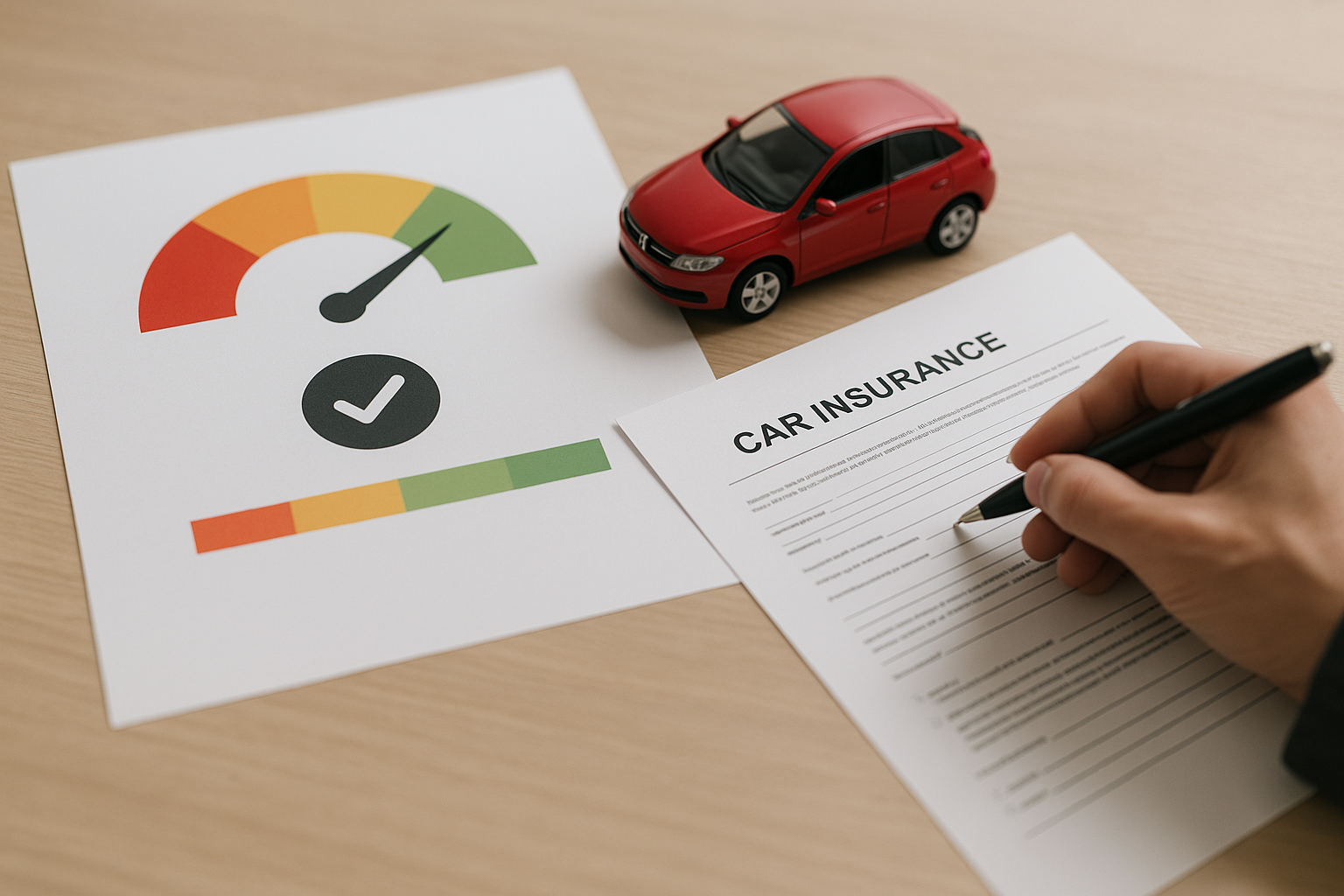
Understanding Credit Scores and Their Impact on Car Insurance Rates
When it comes to car insurance rates, several factors can influence the amount you'll pay. One such factor is your credit score. While most people are aware that credit scores can affect loans and credit cards, many are surprised to learn that these scores can also impact car insurance premiums. Let's delve deep into how credit scores affect car insurance rates and what you can do to manage them effectively.
What Is a Credit Score?
Before understanding its impact on insurance rates, it’s crucial to grasp what a credit score is. Essentially, a credit score is a numerical representation of an individual’s creditworthiness. This score ranges from 300 to 850 and is based on credit report details. Lenders and other financial institutions use this score to evaluate the risk involved in lending money or providing services to a consumer.
Components of a Credit Score
- Payment History: This is the most significant factor and constitutes about 35% of your credit score. It reflects your consistency in paying bills on time.
- Credit Utilization: Making up 30% of your score, this involves the amount of credit you're using compared to your credit limits.
- Credit History Length: Longer credit histories can bolster your score, accounting for 15% of it.
- Types of Credit: Diversification in credit types (credit cards, loans) makes up 10% of your score.
- Recent Credit Inquiries: New credit inquiries can impact 10% of the score, indicating possible financial instability.
The Link Between Credit Scores and Car Insurance Rates
Insurance companies argue that a lower credit score can indicate a higher risk of filing claims and thus may lead to higher premiums. Here's how they typically link credit scores with insurance rates:
- Risk Assessment: Insurers utilize credit scores as part of a broader risk assessment tool. Statistically, individuals with lower credit scores are more likely to file insurance claims.
- Regulatory Backing: In many U.S. states, the use of credit scores in determining insurance rates is permitted, although some states have restrictions or bans.
How Much Can a Credit Score Affect Car Insurance Rates?
Industry studies have found that individuals with poor credit scores can pay up to 91% more in car insurance premiums compared to those with excellent credit. This can translate to hundreds or even thousands of dollars annually. For example, a person with a credit score of 800 could potentially save over $1,000 a year on car insurance compared to someone with a credit score below 600.
Regional Variations
The impact of a credit score on car insurance can vary significantly depending on geographical location. Some states, like California, Hawaii, and Massachusetts, have laws prohibiting the usage of credit scores in insurance rate calculations, while others heavily rely on it. For example, Texas allows this practice, meaning residents there might experience higher rate fluctuations based on credit score changes.
The Effect of Other Factors
While credit score plays a vital role, it is one of the many factors insurers consider. Your driving history, the type of vehicle you own, your age, and location also significantly affect your premiums. For instance, a safe driver with a poor credit score might still receive a competitive rate compared to a risky driver with excellent credit.
How to Improve Your Credit Score
Improving your credit score can not only open up avenues for better loan deals but also potentially reduce your car insurance costs. Consider the following steps:
- Pay Bills Timely: Ensure all your bills and outstanding debts are paid on time to positively impact your payment history.
- Reduce Credit Card Balances: Keeping your credit utilization below 30% is advisable.
- Avoid New Credit Inquiries: Refrain from unnecessary credit applications in a short period to maintain a stable credit report.
- Regularly Check Credit Reports: Errors in your credit report can unfairly bring down your score. Regular checks can help rectify such issues promptly.
Conclusion: Navigating Credit Scores and Insurance
Understanding how credit scores can affect your car insurance rates is essential for making informed financial decisions. By maintaining a healthy credit score, not only can you potentially lower your insurance premiums, but you can also enhance your overall financial health. It's worthwhile to invest in strategies to improve and maintain a good credit score, where the benefits extend beyond just insurance premiums to broader financial opportunities.