Unraveling the Mystery: Common Reasons Behind Unexpected Credit Score Drops
Ever wonder why a credit score might drop for no reason? Understanding subtle changes in your financial habits or the fluctuating criteria of credit reporting agencies can offer insights.
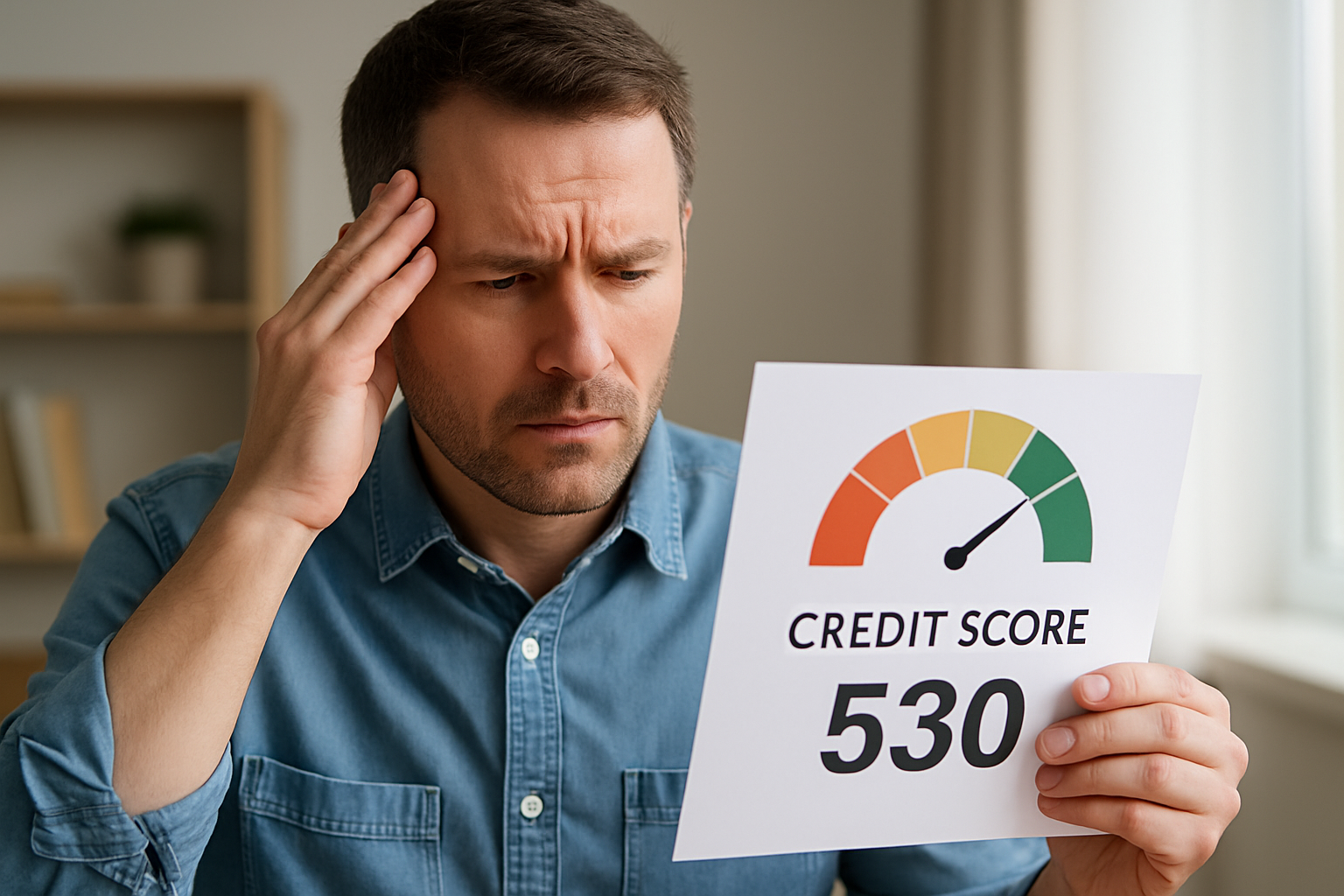
Understanding Credit Scores
Credit scores are numerical representations of a person's creditworthiness, based on their credit history and financial behavior. These scores are used by lenders, landlords, and even some employers to gauge the reliability of an individual. In the United States, the most common credit scoring model is the FICO score, which ranges from 300 to 850. A higher credit score often makes it easier to qualify for credit or loans, potentially with better terms.
Understanding what impacts your credit score is crucial in maintaining financial health. While many people associate changes in credit scores with significant financial events like missing a payment or taking out a new loan, scores can also change for reasons that aren't immediately obvious.
Reasons for a Drop in Credit Score
It can be alarming to see your credit score drop for what seems like no reason. However, there are several possible explanations:
1. Changes in Credit Utilization
Credit utilization — the percentage of available credit that you're using — is a major factor in determining your credit score. If your credit card balances increase relative to your credit limits, even if you aren't making late payments, your score might dip. For optimal credit health, it's generally advised to keep your utilization rate below 30%.
2. Recent Hard Inquiries
When you apply for credit, lenders pull your credit report to assess your financial standing, resulting in a hard inquiry. While a single hard inquiry might have a minor effect, multiple inquiries in a short period can significantly lower your score. According to Experian, each hard inquiry can lower your score by about 5 to 10 points.
3. Closing a Credit Account
Closing a credit card account can affect your credit score in two main ways: it can reduce your overall available credit, increasing your utilization rate, and it can shorten your credit history length if the card was one of your older accounts.
4. Changes in Credit Mix
Your credit score also considers the types of credit you have, such as credit cards, mortgages, and installment loans. A change in your credit mix, like paying off a car loan or mortgage, might affect your score because it alters the diversity of your credit portfolio.
5. Errors on Your Credit Report
Mistakes on your credit report can also cause unexpected score changes. These can include incorrect balances or payments applied to your accounts. It's vital to regularly check your credit report for errors and dispute them when necessary. The Federal Trade Commission (FTC) provides information on how to dispute errors with credit reporting agencies.
Monitoring Your Credit Score
To avoid surprises, regularly monitor your credit score and report. Many banks and financial institutions offer this feature for free. Additionally, under federal law, you are entitled to a free credit report from each of the three major credit reporting agencies — Equifax, Experian, and TransUnion — once every 12 months. As of 2026, many services offer more frequent updates.
Fixing a Drop in Credit Score
- Lower Your Credit Utilization: Paying down credit card balances can improve your score. Consider spreading purchases across multiple cards or request a limit increase to reduce your utilization ratio.
- Limit Hard Inquiries: Try to space out credit applications and only apply for credit when necessary.
- Dispute Inaccuracies: Check your credit report for errors and file disputes through credit bureaus’ online platforms if you find any discrepancies.
- Stay Informed: Using services that alert you to changes in your credit score can help you act quickly if your score drops unexpectedly.
The Psychological Impact of Credit Scores
Financial anxiety is common when dealing with unexplained credit score changes. It's important to maintain perspective; a good credit score is built over time, and minor fluctuations are normal. If your score drops drastically without a clear reason, taking the steps outlined above can help restore your score and alleviate stress.
For more information, you can visit reputable financial education sources like Consumer Financial Protection Bureau and AnnualCreditReport.com to learn more about credit scores and managing financial health.