Unseen Dental Challenges in Seniors: The Quiet Crisis of Untreated Oral Health
There’s a common dental problem affecting countless seniors, but it’s one that rarely gets talked about because its initial signs are so easy to miss.
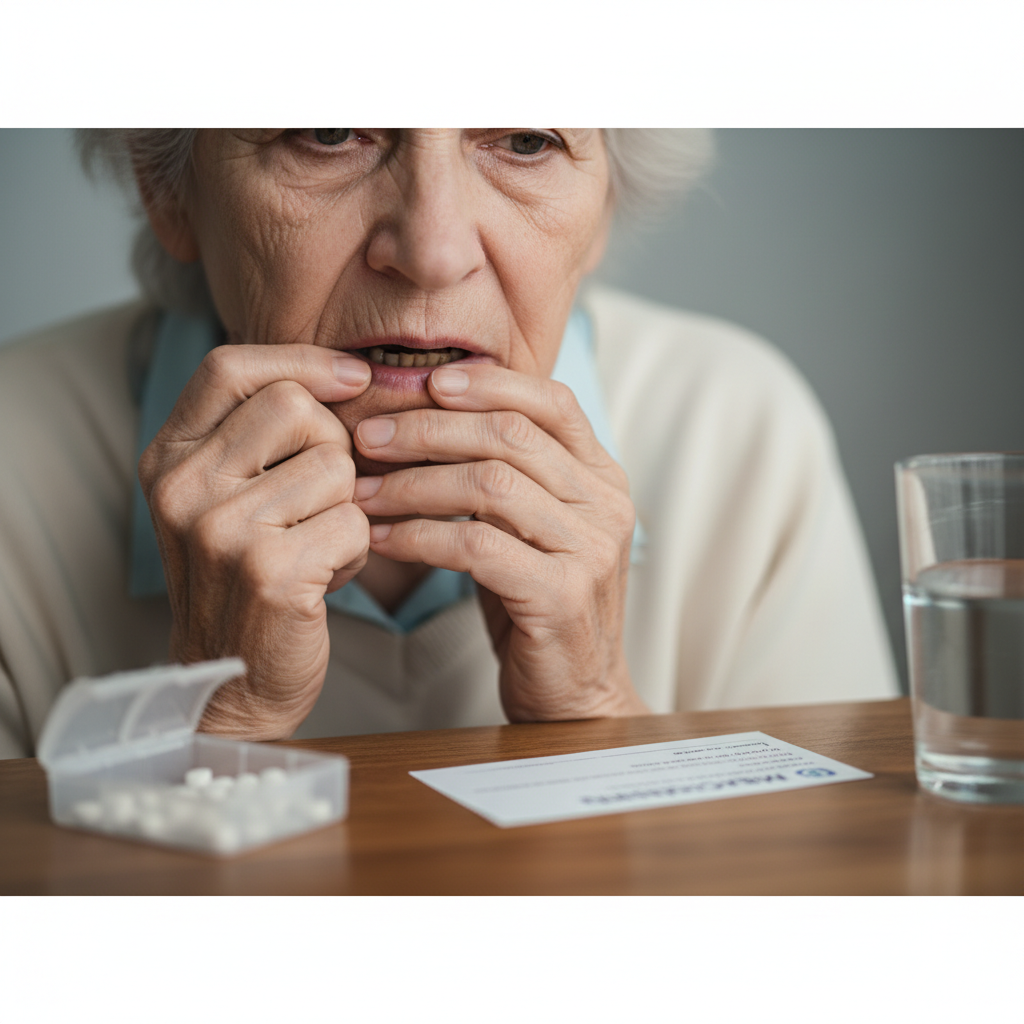
Understanding the Overlooked Problem: Chronic Dry Mouth (Xerostomia)
Among the various health concerns facing seniors, one of the most common yet frequently ignored is chronic dry mouth, known medically as xerostomia. It’s often dismissed as a minor annoyance or a natural part of aging, but this couldn't be further from the truth. Xerostomia isn't a disease in itself but a symptom of an underlying issue, and its consequences can be surprisingly severe, leading to a cascade of dental and systemic health problems if left unaddressed.
Saliva is the mouth's unsung hero. It does far more than just keep our mouths moist. It aids in digestion, helps us chew and swallow, allows us to taste food, and, most critically, serves as a primary defense mechanism for our teeth. It washes away food particles, neutralizes harmful acids produced by plaque bacteria, and contains enzymes that fight microbial overgrowth. When saliva production significantly decreases, this intricate defense system breaks down, leaving the oral environment vulnerable.
The Primary Causes of Dry Mouth in Older Adults
While anyone can experience temporary dry mouth due to nervousness or dehydration, chronic xerostomia in seniors is typically linked to more persistent factors. Understanding these causes is the first step toward managing the condition effectively.
- Medication Side Effects: This is, by far, the leading cause of dry mouth in the senior population. Hundreds of common prescription and over-the-counter drugs list xerostomia as a side effect. The issue is compounded by polypharmacy—the use of multiple medications simultaneously. Drugs for high blood pressure, depression, anxiety, allergies (antihistamines), pain, and incontinence are all common culprits.
- Underlying Medical Conditions: Certain diseases are directly linked to reduced salivary function. Autoimmune disorders like Sjögren's syndrome and rheumatoid arthritis can attack the salivary glands. Other conditions such as diabetes, Alzheimer's disease, stroke, and Parkinson's disease are also frequently associated with chronic dry mouth.
- Cancer Treatments: For seniors undergoing treatment for cancer, xerostomia is a very common side effect. Radiation therapy to the head and neck can permanently damage the salivary glands, while chemotherapy can alter the composition and flow of saliva throughout the body.
- Dehydration and Lifestyle: Simple dehydration is a significant factor. As people age, their sense of thirst can diminish, leading them to drink less water than they need. Furthermore, lifestyle habits like regular consumption of caffeine and alcohol or the use of tobacco products can all contribute to and worsen oral dryness.
Recognizing the Subtle Symptoms
The signs of xerostomia extend well beyond simply feeling thirsty. Many symptoms are subtle and can be easily attributed to other things, which is why the condition often goes undiagnosed. Recognizing these indicators is crucial for seeking timely help.
Common symptoms include a persistent sticky or cotton-like feeling in the mouth, a rough or dry tongue, difficulty chewing dry foods like crackers or bread, and trouble swallowing or speaking. Some individuals may experience a burning sensation in the mouth, cracked lips, or frequent sores at the corners of their mouth. Bad breath (halitosis) that doesn't improve with brushing and a diminished or altered sense of taste are also classic warning signs.
The Serious Consequences of an Untreated Dry Mouth
Ignoring xerostomia can lead to a rapid decline in oral health, creating problems that are both painful and expensive to treat. The lack of protective saliva creates a perfect environment for oral diseases to flourish.
- Aggressive Tooth Decay: Without saliva to wash away sugars and neutralize acids, bacteria can feast and produce enamel-eroding acids unchecked. This often leads to rampant cavities, particularly root decay, which occurs on the root surfaces of teeth exposed by gum recession—a common issue in seniors.
- Gum Disease: The imbalance in oral bacteria can cause gums to become inflamed, leading to gingivitis. If not addressed, this can progress to periodontitis, a serious infection that destroys the bone supporting the teeth, potentially leading to tooth loss.
- Oral Infections: A dry oral environment is a breeding ground for fungi. Oral thrush (candidiasis), a fungal infection that causes white lesions on the tongue and inner cheeks, is significantly more common in individuals with xerostomia.
- Denture Complications: For seniors who wear dentures, saliva is essential for creating the suction that holds them in place and for providing a lubricating layer to prevent friction. Without it, dentures can become loose, rub against the gums, and cause painful sores, making it difficult to eat or speak comfortably.
Why Dry Mouth Disproportionately Affects Older Adults
It’s a common misconception that a dry mouth is an unavoidable consequence of getting older. While the prevalence of xerostomia increases dramatically with age, aging itself is not the direct cause. Instead, it is the increased likelihood of having the conditions and risk factors that lead to dry mouth. Seniors are more likely to be managing one or more chronic health conditions and, as a result, are often taking multiple medications to control them.
This phenomenon of polypharmacy is the single greatest contributor. A single medication might have a mild drying effect, but when a person is taking three, four, or even more drugs that all list xerostomia as a side effect, the cumulative impact can be severe. The effects are additive, and the salivary glands simply cannot keep up. This is why a thorough medication review with a doctor or pharmacist can be one of the most effective steps in managing the condition.
Furthermore, the chronic diseases that are more common in later life—such as diabetes, hypertension, and autoimmune disorders—are independently linked to reduced salivary flow. When a senior has one of these conditions and is also on medication for it, the risk of developing significant and problematic dry mouth becomes exceptionally high. It's this intersection of age-related health patterns, not age itself, that creates the problem.
Answering Common Questions About Senior Oral Health
Can Dry Mouth Be a Sign of a More Serious Illness?
Yes, absolutely. While medication is the most frequent cause, persistent dry mouth should never be ignored, as it can be an early warning sign of a significant, undiagnosed systemic disease. For example, xerostomia is one of the classic symptoms of poorly controlled diabetes, as high blood sugar levels can affect saliva production. It is also a hallmark symptom of Sjögren's syndrome, an autoimmune disorder where the body's immune system mistakenly attacks its own moisture-producing glands, including the salivary and tear glands.
In some cases, it can be linked to nerve damage in the head or neck area or be a symptom of conditions like HIV/AIDS or Alzheimer's. Therefore, if a senior develops persistent dry mouth without an obvious cause, it warrants a comprehensive medical evaluation. Discussing the symptom with a doctor can help uncover an underlying condition early, allowing for more effective treatment and management of both the dry mouth and the primary disease.
What Are Practical Ways to Manage Dry Mouth Symptoms at Home?
Managing xerostomia often involves a multi-faceted approach focused on stimulating saliva, replacing moisture, and protecting the teeth. Simple, consistent habits can make a tremendous difference in comfort and oral health. These strategies don't cure the underlying cause but can provide significant relief from the symptoms.
- Stay Hydrated: Sip water frequently throughout the day rather than drinking large amounts at once. Keeping a water bottle handy at all times is a great reminder.
- Stimulate Saliva Flow: Chewing sugar-free gum or sucking on sugar-free hard candies can stimulate the salivary glands to produce more saliva. Products containing xylitol are particularly beneficial as xylitol can help inhibit the growth of cavity-causing bacteria.
- Modify Your Diet: Avoid dry, crumbly foods like crackers and toast. Instead, opt for moist foods with gravies, sauces, or broths. Also, limit caffeine, alcohol, and acidic or spicy foods, as they can further irritate a dry mouth.
- Humidify Your Environment: Use a humidifier in your bedroom at night. This adds moisture to the air, which can help reduce oral dryness that worsens while sleeping.
- Practice Meticulous Oral Hygiene: Because the risk of decay is so high, diligent home care is non-negotiable. Brush gently with a fluoride toothpaste after every meal, floss daily, and consider using a fluoride mouth rinse (one without alcohol) before bed to help strengthen tooth enamel.
A Final Word on Proactive Oral Care
Chronic dry mouth is far more than a simple inconvenience for seniors; it is a serious oral health issue with the potential to impact nutrition, comfort, and overall well-being. Its silent onset means that by the time it becomes truly bothersome, significant damage to teeth and gums may have already occurred.
Recognizing the symptoms early and understanding the underlying causes are essential. Proactive management, including diligent home care, lifestyle adjustments, and open communication with both dentists and medical doctors, can help mitigate the risks. By treating xerostomia with the seriousness it deserves, seniors can better protect their oral health and maintain a higher quality of life for years to come.
For More Information:
For additional details on oral health for older adults, you can visit these reputable sources: