Unveiling the Hidden Costs of High-End Bathroom Appliances
Discover how some bathroom appliances could be silently hiking up your utility bills. From high-tech showers to energy-guzzling heaters, learn which gadgets might be less efficient than advertised.
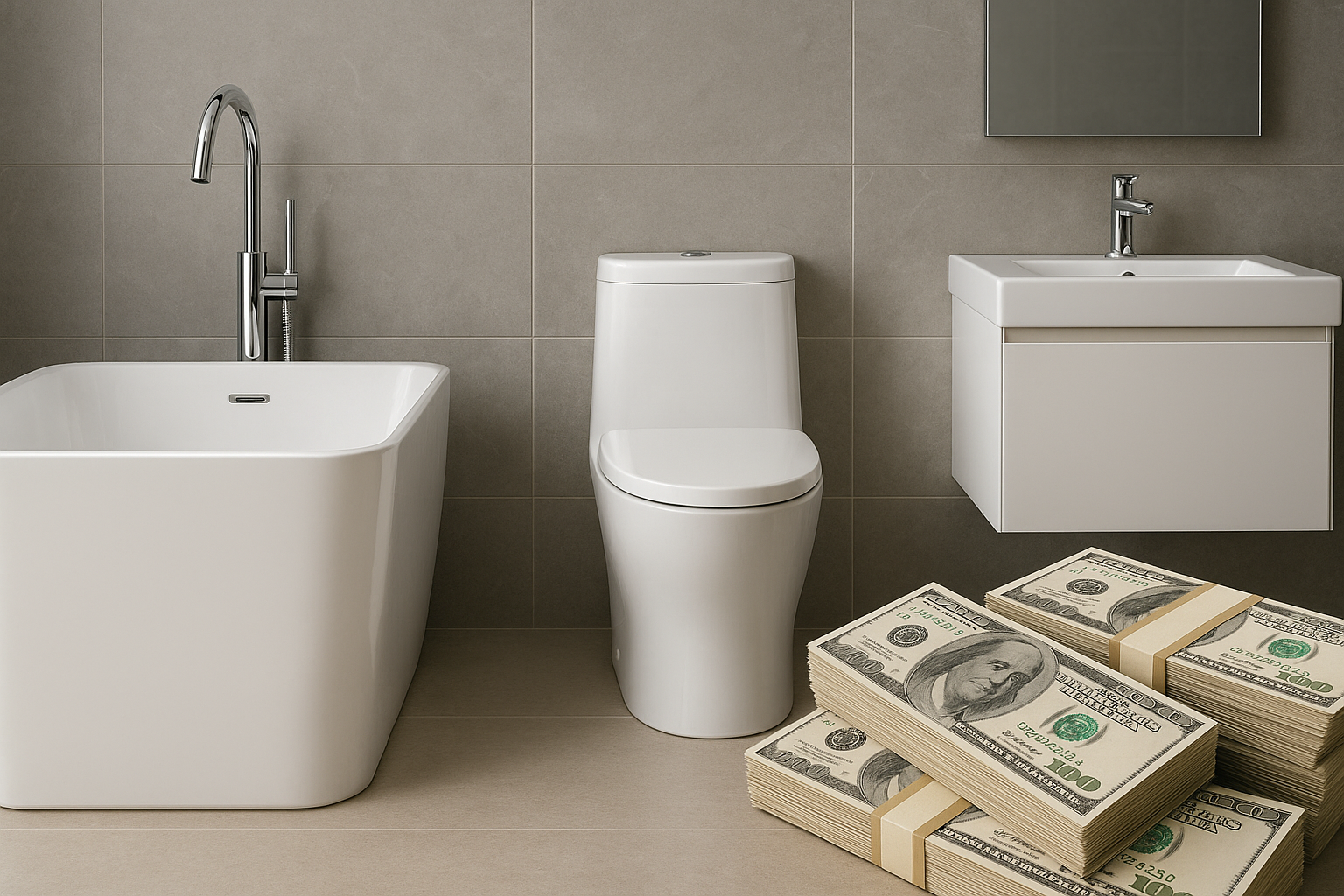
Understanding Your Bathroom Appliances' Impact on Utility Bills
When it comes to household expenses, many people are surprised to learn just how much their bathroom can contribute to their monthly utility bills. From high-powered showers to energy-consuming lights, every appliance in your bathroom adds to the bottom line. Knowing which appliances are the culprits can help you make informed decisions about usage and potentially reduce those bills.
The Heavy Hitters: Bathroom Appliances That Increase Your Bill
Let's dive into some of the main bathroom appliances that can lead to higher utility costs. Understanding their impact can help you take actionable steps to manage your spending.
1. Water Heaters
Water heaters are often the most significant energy-consuming appliances in the home. Over 18% of a household’s energy budget typically goes toward heating water. With daily showers, baths, and multiple water-using appliances, the energy cost can quickly add up.
- Long Showers: A 10-minute shower can consume over 25 gallons of hot water, significantly heating and associated costs.
- High Temperature Settings: Setting your water heater too high increases energy consumption unnecessarily. The Department of Energy recommends keeping it at 120°F to balance efficiency and comfort.
To learn more about energy-efficient water heaters, visit the U.S. Department of Energy’s guide to water heating.
2. High-Flow Toilets
Older, less efficient toilets can use up to 3.5–7 gallons of water per flush. In contrast, modern low-flow models use just 1.6 gallons or less, making them more environmentally friendly and cost-efficient.
- Dual Flush Toilets: These models offer two flush settings, providing an option for a lower water usage flush which can significantly cut down water bills.
- Leaks: A leaky toilet can waste over 200 gallons of water a day, so regular checks and maintenance are essential.
Lighting: Illuminating Costs
Bathroom lighting might not seem like a big energy drain, but inefficient bulbs and fixtures can increase electricity costs. Bathrooms often have multiple light fixtures and are used at varying times throughout the day, making lighting decisions crucial.
Energy-Efficient Alternatives
Switching to LED bulbs can cut lighting costs by up to 75%. These bulbs also last longer, reducing replacement frequency and associated costs.1
Ventilation and Exhaust Fans
While essential for maintaining air quality and reducing moisture build-up, bathroom exhaust fans can consume a noticeable amount of electricity if left running unnecessarily. An ENERGY STAR-rated fan can be up to 60% more efficient than standard models.
Smart Fan Solutions
Investing in a fan with a timer or humidity sensor can help ensure it operates only when necessary, reducing energy waste.
Ways to Reduce Bathroom-Related Energy Consumption
Reducing energy consumption doesn’t always require cutting down on usage. Here are some tips:
- Regular Maintenance: Check for leaks in toilets and faucets regularly. Fixing leaks can drastically reduce water waste.
- Insulate Your Water Heater: Wrap your water heater with insulating material to retain heat and reduce the energy needed to keep water hot.
- Install Low-Flow Fixtures: Showerheads and faucets are available in low-flow models that can cut water usage by 50%.
Another resource for exploring water-efficient products is the WaterSense program provided by the EPA.
Conclusion: Small Changes, Big Impact
Taking control of your bathroom appliance usage isn’t just about saving money; it also contributes to environmental conservation efforts. By being aware of how each appliance impacts your utility bills, you can make smarter choices that reflect both your financial and environmental goals.
Remember, the key is not just to reduce consumption but to optimize how and when you use each appliance. Investing in efficient alternatives and maintaining your current fixtures can create a comfortable, cost-effective, and eco-friendly bathroom environment.