Unveiling the Hidden Risks: Are Your Everyday Pills Doing More Harm Than Good?
That bottle of painkillers in your medicine cabinet or the daily antacid you rely on might seem harmless, but are they always the best choice? Many of the most common over-the-counter pills carry surprising risks and long-term side effects that aren't widely known.
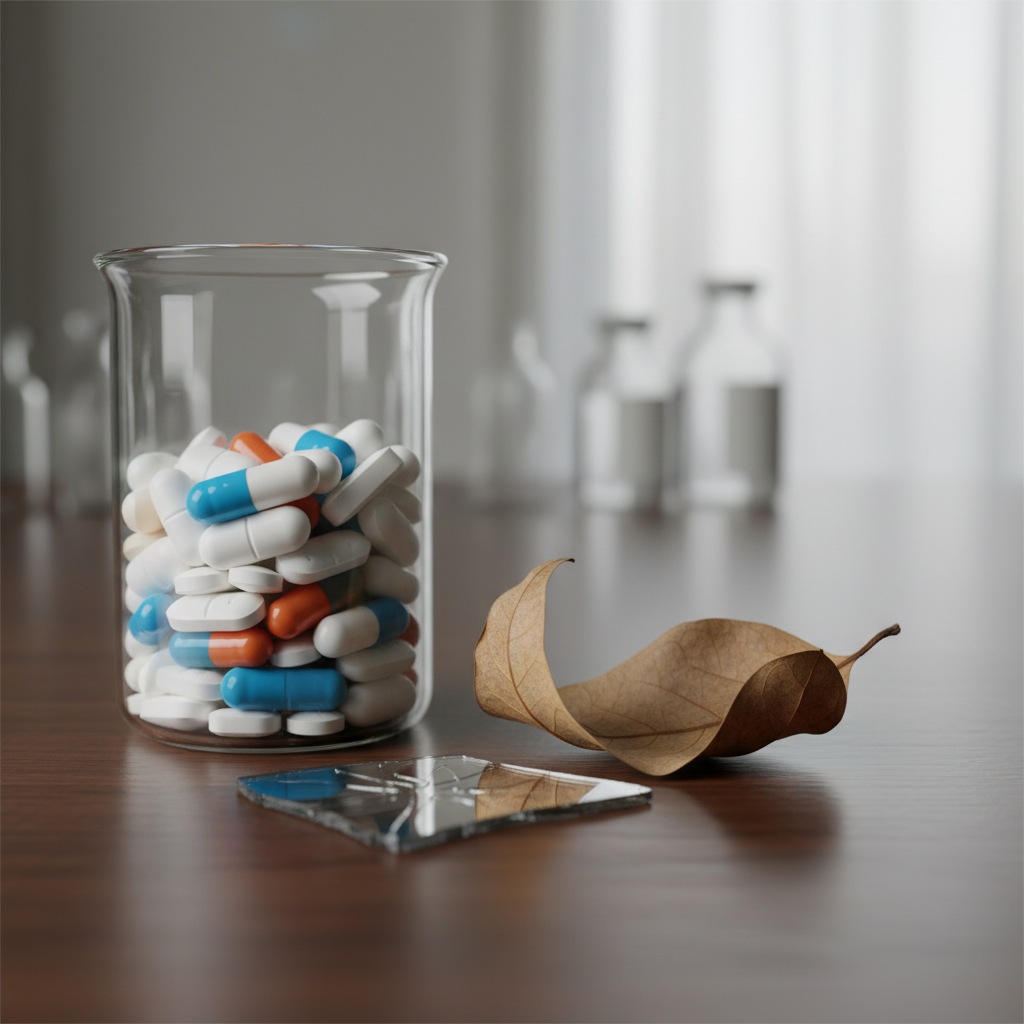
These Common Pills May Do More Harm Than Good
Over-the-Counter Pain Relievers (NSAIDs)
Nonsteroidal anti-inflammatory drugs, or NSAIDs, are some of the most common medications found in households around the world. Pills like ibuprofen (Advil, Motrin) and naproxen (Aleve) are incredibly effective at reducing pain, inflammation, and fever. They work by blocking enzymes called COX-1 and COX-2, which prevents the production of prostaglandins—compounds that cause pain and swelling. For temporary issues like a headache, muscle sprain, or menstrual cramps, NSAIDs are generally considered safe and provide significant relief, allowing people to carry on with their daily lives.
However, the convenience of these pills can mask potential dangers, especially with chronic or high-dose use. The same mechanism that reduces pain can also harm the protective lining of the stomach and intestines. This can lead to serious issues ranging from stomach ulcers and bleeding to perforation. Furthermore, long-term NSAID use is linked to an increased risk of kidney damage, high blood pressure, and even heart attack or stroke. It's a classic example of a beneficial tool that can cause significant harm if not used as directed and for the appropriate duration.
Proton Pump Inhibitors (PPIs)
Proton Pump Inhibitors are a class of drugs designed to drastically reduce the production of stomach acid. Medications like omeprazole (Prilosec), esomeprazole (Nexium), and lansoprazole (Prevacid) are widely prescribed and available over-the-counter for conditions such as gastroesophageal reflux disease (GERD), heartburn, and stomach ulcers. For people suffering from debilitating acid reflux, PPIs can feel like a miracle, extinguishing the painful burning sensation and allowing the esophagus to heal. They work by blocking the enzyme in the stomach wall that produces acid, providing powerful, long-lasting relief.
The problem arises when these medications are used for extended periods without medical supervision. Stomach acid plays a crucial role in absorbing essential nutrients, including vitamin B12, calcium, and magnesium. Long-term PPI use has been associated with deficiencies in these nutrients, which can lead to a higher risk of bone fractures and neurological issues. Research has also suggested potential links between prolonged use and an increased risk of kidney disease, dementia, and certain gut infections like C. difficile because stomach acid is a key defense against harmful bacteria.
Benzodiazepines
Often prescribed for anxiety, panic disorders, insomnia, and seizures, benzodiazepines are central nervous system depressants. This class includes well-known drugs such as alprazolam (Xanax), diazepam (Valium), and lorazepam (Ativan). They work by enhancing the effect of a neurotransmitter called GABA, which helps calm brain activity. In the short term, they can be highly effective at providing immediate relief from overwhelming anxiety or helping someone through a severe bout of insomnia, acting as a crucial tool in crisis situations.
Despite their effectiveness, benzodiazepines carry a high risk of physical dependence and addiction, even when taken as prescribed. The body quickly adapts to the medication, requiring higher doses to achieve the same effect and leading to severe withdrawal symptoms if stopped abruptly. These can include rebound anxiety, tremors, and even seizures. Long-term use is also associated with cognitive impairment, memory problems, and an increased risk of accidents and falls, particularly in older adults. For these reasons, most medical guidelines recommend them for short-term use only.
Statins
Statins are a cornerstone of modern cardiovascular medicine, prescribed to millions to lower high cholesterol levels. By reducing the amount of "bad" LDL cholesterol in the blood, medications like atorvastatin (Lipitor) and simvastatin (Zocor) are proven to significantly lower the risk of heart attack and stroke. They work by blocking an enzyme in the liver that is necessary for producing cholesterol. For individuals with a high risk of cardiovascular disease, statins are often a life-saving intervention that has dramatically improved public health outcomes.
While their benefits are clear, statins are not without potential downsides that can cause harm or discomfort. The most commonly reported side effect is muscle pain (myalgia), which can range from mild soreness to severe pain that interferes with daily activities. In rare cases, this can progress to a more serious condition called rhabdomyolysis. Other potential side effects include liver damage and an increased risk of developing type 2 diabetes. For many, these risks are small compared to the benefit of preventing a heart attack, but they are important considerations in the overall treatment plan.
Certain Antibiotics
Antibiotics are wonder drugs that have saved countless lives by effectively treating bacterial infections that were once deadly. From penicillin to azithromycin, these medications are essential for managing everything from strep throat and urinary tract infections to life-threatening sepsis. They work by either killing bacteria directly or by preventing them from multiplying, allowing the body's immune system to clear the infection. Their discovery is one of the most significant achievements in medical history.
The harm from antibiotics often comes from their overuse and misuse. Widespread use has led to the global crisis of antibiotic resistance, where bacteria evolve to become immune to the drugs designed to kill them. On an individual level, broad-spectrum antibiotics don't just kill harmful bacteria; they also wipe out the beneficial bacteria in our gut microbiome. This disruption can lead to digestive issues and create an opportunity for dangerous bacteria like Clostridioides difficile (C. diff) to overgrow, causing severe diarrhea and colitis. Certain classes, like fluoroquinolones, also carry "black box warnings" for rare but serious side effects like tendon rupture.
Understanding the Risk-Benefit Ratio of Modern Medicine
Every effective medication, from a simple aspirin to a complex chemotherapy drug, carries some level of risk. The core principle of medicine and drug regulation is the "risk-benefit ratio." Before a drug is approved, regulatory bodies like the U.S. Food and Drug Administration (FDA) conduct a rigorous review of clinical trial data to determine if the drug's potential benefits for a specific condition outweigh its known risks and side effects.
This balance is not a one-size-fits-all equation. For a patient with a life-threatening illness, the acceptable level of risk from a medication is much higher than for someone treating a minor ailment. For example, the severe side effects of chemotherapy are considered acceptable because the alternative—untreated cancer—is far worse. Conversely, a weight-loss drug with even a minor risk of heart problems would likely be deemed too dangerous for widespread use. The goal of your healthcare provider is to apply this risk-benefit analysis to your individual situation, considering your health status, lifestyle, and treatment goals.
Important Questions to Ask About Your Prescriptions
How Can I Safely Discuss Medication Concerns with My Doctor?
Having an open and honest conversation with your healthcare provider is the most important step you can take to ensure your medication is helping, not harming. Before your appointment, take a few minutes to prepare. Write down any side effects you're experiencing, no matter how small they seem. Also, list any questions you have, such as "Are there alternative treatments?" or "How long am I expected to be on this medication?" Having your thoughts organized will help you make the most of your time.
During the conversation, be direct about your concerns. Don't worry about questioning your doctor's judgment; their goal is to find the best treatment for you. A good physician will welcome your questions and see you as a partner in your own healthcare. Ask why this specific drug was chosen and what you should expect. If you feel a side effect is unbearable, say so. This dialogue can lead to a dose adjustment, a switch to a different medication, or exploring non-pharmacological options that may work better for you.
What Is a 'Black Box Warning' on Medication?
A "black box warning," officially known as a boxed warning, is the most serious safety alert issued by the FDA for a prescription drug. It appears in the medication's labeling and is designed to call attention to severe or life-threatening risks. It's not meant to scare patients away from using the drug, but rather to ensure that both doctors and patients are fully aware of the most significant dangers before starting treatment.
These warnings are added when there is clear evidence of a serious hazard, such as the risk of tendon rupture associated with fluoroquinolone antibiotics or the increased risk of suicidal thoughts in young adults starting certain antidepressants. A black box warning doesn't mean the drug is bad or shouldn't be used; it means the risks are substantial enough that they need to be carefully weighed against the benefits. It prompts a critical conversation between you and your doctor about whether this particular medication is the right and safest choice for your specific situation.
Are 'Natural' or Herbal Supplements Always a Safer Alternative?
There is a common misconception that "natural" automatically means "safe." While many herbal supplements can be beneficial, they are not always a safer alternative to prescription medication. The primary difference lies in regulation. The FDA rigorously regulates prescription drugs for safety, efficacy, and dosage accuracy before they reach the market. In contrast, the dietary supplement industry is largely unregulated. Manufacturers are not required to prove their products are safe or effective before selling them.
This lack of oversight can lead to several problems. Dosages can be inconsistent from one bottle to the next, and some supplements have been found to be contaminated with heavy metals, pesticides, or even unlisted pharmaceutical drugs. Furthermore, many herbal remedies can have powerful biological effects and can interact dangerously with your prescription medications. For example, St. John's Wort is known to interfere with the effectiveness of antidepressants and birth control pills. It's crucial to treat supplements like any other medication and discuss their use with your doctor or pharmacist to avoid harmful interactions.
Conclusion
Modern medications are powerful tools that have extended and improved lives in countless ways. However, no effective pill is completely without risk. From over-the-counter pain relievers to life-saving prescriptions, understanding the potential for harm is just as important as appreciating the potential for good. Being an informed and engaged patient is your best defense.
By learning about your medications, watching for side effects, and maintaining an open dialogue with your healthcare provider, you can help ensure that your treatment plan is both safe and effective. The ultimate goal is to make conscious, well-informed decisions that weigh the benefits against the risks, leading to the best possible health outcomes.
For more information on drug safety and regulation, you can visit the following resources: