Unveiling the Truth: An Honest Review of Popular Motor Oil Brands
Not all motor oils are created equal. While some brands deliver exceptional engine protection and performance for your money, others are mostly marketing hype.
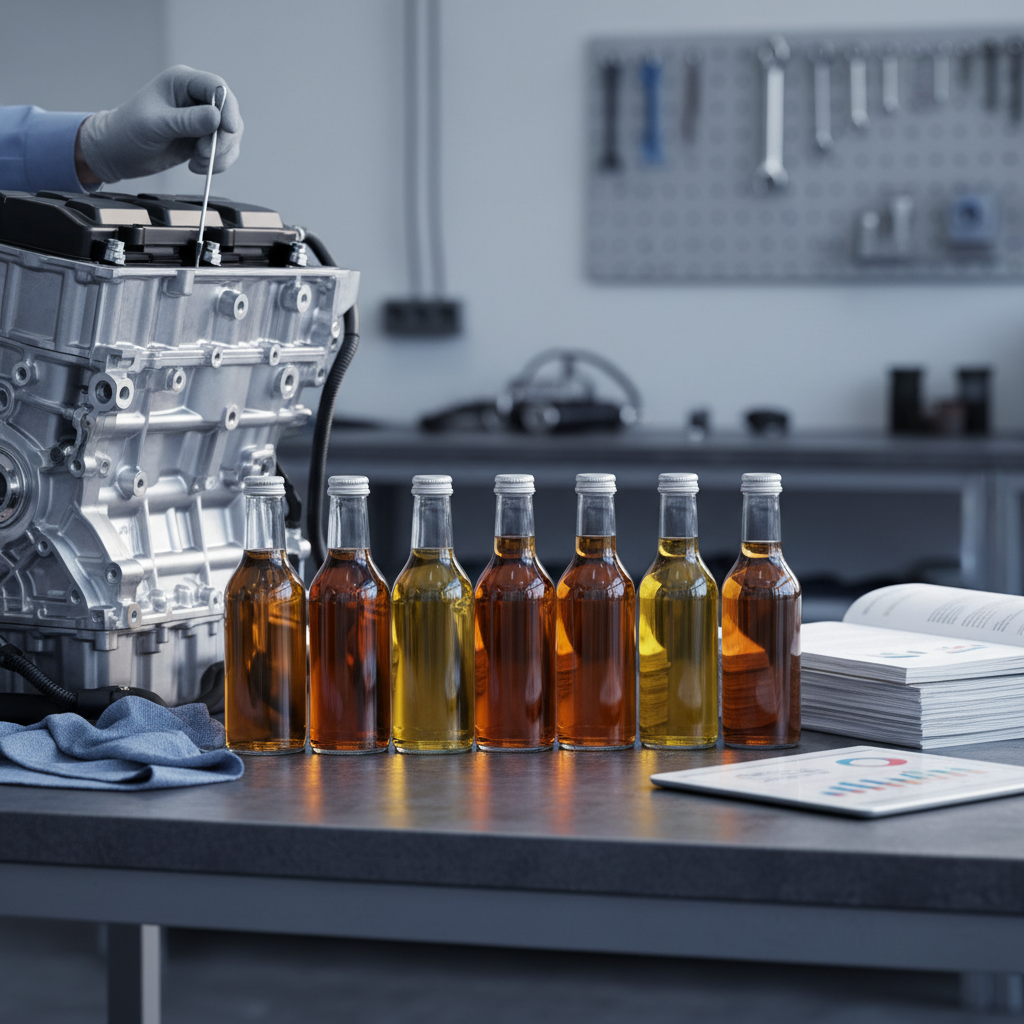
Highly Regarded Motor Oil Brands to Consider
When it comes to engine protection, certain brands have built a formidable reputation over decades of research, development, and real-world performance. These brands are often at the forefront of lubricant technology, pioneering new formulas and setting industry standards. They are frequently the factory-fill choice for high-performance automakers and are trusted by mechanics and enthusiasts alike for their consistency and quality.
Choosing one of these top-tier brands often means you're getting an oil with a robust and sophisticated additive package. These additives are crucial for cleaning internal engine components, neutralizing harmful acids, preventing wear and tear, and maintaining optimal performance across a wide range of temperatures. While they may come at a premium price, the investment can translate to better engine longevity, improved fuel economy, and peace of mind.
Mobil 1
Mobil 1 is arguably one of the most recognized names in the world of synthetic motor oil. Its reputation is built on a long history of performance, particularly in motorsport and with premium automakers. The brand is known for its advanced synthetic formulas that provide exceptional protection against wear, deposits, and sludge buildup. Automakers like Porsche, Mercedes-Benz (AMG), and Chevrolet (for the Corvette) have used Mobil 1 as their factory-fill oil, a testament to its ability to perform under the most demanding conditions.
The product line is extensive, with offerings like Mobil 1 Annual Protection, which guarantees protection for one full year or 20,000 miles, and Mobil 1 Extended Performance, designed for longer drain intervals. These oils are engineered to maintain their viscosity and protective qualities for extended periods, providing excellent performance in both extreme cold starts and high-heat situations. For drivers seeking top-tier, proven protection, Mobil 1 remains a benchmark in the industry.
Pennzoil
Pennzoil, owned by Shell, has significantly innovated in recent years with its patented PurePlus Technology. This process converts natural gas into a crystal-clear, high-quality synthetic base oil that is 99.5% pure. This purity serves as a superior foundation for motor oil, as it contains far fewer of the impurities found in crude oil. The result is an oil that offers better viscosity stability at high temperatures and less volatility, which means less oil burn-off between changes.
The brand heavily markets the cleaning ability of its flagship products, like Pennzoil Ultra Platinum. They claim it can keep pistons up to 65% cleaner than industry standards require. A clean engine is an efficient engine, and by preventing sludge and other harmful deposits, Pennzoil oils help maintain engine responsiveness and fuel economy. Its long-standing relationship with performance brands like Ferrari further cements its status as a premium lubricant provider.
Valvoline
As one of America's first motor oil brands, Valvoline has a legacy of trust and innovation that stretches back over 150 years. They have a strong presence in both the do-it-yourself market and professional automotive service centers. Valvoline is known for its hands-on approach to automotive maintenance and its commitment to creating products that address specific engine needs as vehicles age.
One of its most popular and effective product lines is the Valvoline High Mileage with MaxLife Technology. This oil is specifically formulated for engines with over 75,000 miles. It contains special seal conditioners that rejuvenate aging engine seals to help prevent and treat oil leaks, a common issue in older vehicles. Additionally, it features extra detergents to combat accumulated sludge and anti-wear additives to protect worn engine parts, making it a go-to choice for extending the life of a seasoned engine.
Castrol
With a strong European heritage and deep roots in motorsports, Castrol is synonymous with high performance and "liquid engineering." The brand has a reputation for developing oils that can withstand the extreme pressures and temperatures generated by high-revving, powerful engines. This focus on strength and durability is a core part of their product philosophy.
Their flagship synthetic line, Castrol EDGE, is a prime example. It is formulated with Fluid Titanium Technology, which physically transforms the oil's structure to be stronger under pressure, reducing performance-robbing friction by up to 20%. Other popular lines like Castrol GTX are renowned for their anti-sludge properties, with GTX High Mileage being a strong competitor in the market for older vehicles. For drivers of European cars or those seeking an oil engineered for maximum strength, Castrol is a top contender.
Amsoil
Amsoil holds a special place in the lubricant world as the company that introduced the first API-certified synthetic motor oil in 1972. It is often considered a boutique or enthusiast-grade brand, with a loyal following among those who demand the absolute highest level of performance and protection. Amsoil's business model, which relies on a network of independent dealers, also sets it apart from brands found on every retail shelf.
The brand's primary focus is on creating robust formulas that allow for significantly extended drain intervals—some up to 25,000 miles or one year. Their oils are engineered with top-tier base stocks and potent additive packages designed for severe service, including towing, hauling, and high-performance driving. While the upfront cost is typically higher than other brands, many users justify it by the extended service intervals and superior wear protection, making it a favorite among serious car enthusiasts.
Motor Oil Brands with Mixed Reviews or Specific Use Cases
Not all motor oils are created equal, and some brands occupy a space that is either budget-focused or highly specialized. These brands aren't necessarily "bad," but their reputation may be mixed, or their ideal use case might be narrower than the top-tier brands. It's crucial to understand that as long as an oil carries the proper API and ILSAC certifications for your vehicle, it will provide a fundamental level of protection.
Store Brands (e.g., Walmart SuperTech, Costco Kirkland)
Store-brand oils like Walmart's SuperTech and Costco's Kirkland Signature are often the subject of debate. The reality is that these oils are typically manufactured by major, reputable lubricant blenders (such as Warren Distribution) and are formulated to meet the same API and ILSAC specifications that the name brands do. You can verify this by looking for the official certification "Donut" and "Starburst" seals on the bottle.
The mixed review comes from perception and formulation. While they meet the minimum standards required for engine protection, they generally lack the more advanced, proprietary additive packages found in premium synthetics like Mobil 1 or Pennzoil Ultra Platinum. For a daily commuter car with a non-performance engine and regular oil change intervals, these oils offer an excellent value proposition and provide adequate protection. However, for a high-performance, turbocharged engine or for those looking to extend drain intervals, sticking with a premium brand is often the wiser choice.
Quaker State
Quaker State is a historic American brand that, like Pennzoil, is now under the Shell umbrella. It is often positioned as a more value-oriented brand compared to its sister company. The oil is perfectly serviceable and meets all necessary industry specifications, offering reliable protection for everyday driving conditions. Its tagline, "Durable. Dependable. Protection," accurately reflects its market position.
The "mixed" aspect isn't about quality issues but rather its place in the market. Some consumers perceive it as a step down from Pennzoil, even though they share a parent company and access to similar base oil technologies. Quaker State's synthetic offerings are solid performers, but they may not have the same cutting-edge additive chemistry as the top-tier products from Shell's portfolio. It’s a great choice for consumers looking for a dependable synthetic or conventional oil from a major manufacturer without the premium price tag.
Royal Purple
Royal Purple is a high-performance brand known for its distinctive purple dye and its focus on the racing and modified vehicle market. The company claims its proprietary Synerlec additive technology creates an exceptionally strong oil film, significantly reducing friction and wear in high-stress engine environments. For this reason, it has a dedicated following among racers and performance enthusiasts.
However, for a standard passenger car, Royal Purple is often considered overkill and overpriced. Its robust formula is designed for conditions that most daily drivers will never encounter. In the past, there were anecdotal reports from some mechanics about its aggressive additives potentially causing issues with older seals, though modern formulations are generally considered safe for most vehicles. Royal Purple is not a bad oil—it's a highly specialized one. Its benefits are best realized in a modified, high-horsepower engine, not necessarily in a stock family sedan.
What Actually Makes a Motor Oil "Good"?
Beyond the brand name on the bottle, the true quality of a motor oil is determined by a combination of its base oil, its additive package, and its certifications. The most important thing to look for on any bottle of oil is the American Petroleum Institute (API) "Donut" and the International Lubricants Standardization and Approval Committee (ILSAC) "Starburst." These symbols guarantee that the oil has passed a series of minimum performance tests for wear protection, deposit control, and fuel economy.
The foundation of any motor oil is its base oil stock. Conventional oils are refined from crude oil and fall into API Groups I and II. Full synthetic oils use more highly refined Group III base stocks or are chemically engineered Group IV (PAO) and Group V (Esters) stocks. Synthetics provide inherently better stability, purity, and performance across extreme temperatures. They don't break down as quickly under high heat and flow better in extreme cold, providing superior protection from the moment you start your engine.
The real differentiation between brands often lies in their proprietary additive packages. These are a chemical cocktail of detergents to keep surfaces clean, dispersants to hold contaminants in suspension, anti-wear agents to protect metal surfaces, friction modifiers to improve fuel economy, antioxidants to prevent oil breakdown, and viscosity index improvers to maintain proper thickness. Premium brands invest heavily in research and development to create unique additive combinations that exceed the minimum API requirements, offering superior long-term engine health.
Common Questions About Motor Oil Brands
Does the Brand Matter More Than the Viscosity?
This is a critical question, and the answer is clear: viscosity is the most important factor. Your vehicle's manufacturer specifies a certain viscosity grade (like 0W-20 or 5W-30) for a reason. This grade determines the oil's thickness at cold and operating temperatures, ensuring it can properly lubricate all the tight-tolerance parts of your modern engine. Using the wrong viscosity can lead to inadequate lubrication, increased wear, and potentially catastrophic engine damage, no matter how reputable the brand is.
Once you have the correct viscosity, the brand becomes a matter of quality and performance level. A certified store-brand oil of the correct grade will protect your engine. However, a premium brand of that same grade will likely do it better and for longer. It will offer superior cleaning, better fuel economy due to advanced friction modifiers, and greater stability under stress. Think of it this way: viscosity gets you in the game, but the brand determines how well you play.
Can You Mix Different Brands of Motor Oil?
In an emergency, yes, you can mix different brands of motor oil. As part of the API certification process, all licensed oils are required to be compatible with one another. If you're a quart low and the only oil available is a different brand than what's in your engine, adding it will not cause the oil to gel or your engine to fail. Topping off is far better than running your engine with low oil.
With that said, it is not a recommended practice for regular maintenance. Each brand formulates its oil with a specific, balanced additive package. When you mix Brand A with Brand B, you are diluting both of their unique chemistries. This can diminish the effectiveness of the additives, potentially reducing the oil's performance in areas like cleaning and wear protection. You essentially end up with a blend that performs more like the lower-quality oil in the mix. For best results, always try to top off with the exact same oil that is already in your engine.
Is High-Mileage Oil Really Worth It?
High-mileage oil is specifically formulated for vehicles that have logged over 75,000 miles. It is not just a marketing gimmick; it contains specific additives that address the common ailments of an aging engine. For many drivers of older cars, it is absolutely worth the small extra cost.
The key ingredient in high-mileage oil is a seal conditioner. Over time, the rubber seals and gaskets in an engine can become hard, brittle, and shrink, leading to small oil leaks or seeps. The seal conditioners in high-mileage oil are designed to be absorbed by these seals, causing them to soften and swell slightly, which can stop or reduce minor leaks. Additionally, these oils often contain extra detergents to help clean out sludge that has accumulated over the years and enhanced anti-wear additives to protect parts that have already seen significant service. If your older car is starting to consume or leak a small amount of oil, switching to a quality high-mileage formula is a smart first step.
Conclusion
Navigating the world of motor oil can seem complex, but it boils down to a few key principles. The most critical factor is always to use the viscosity and meet the specifications recommended in your vehicle's owner's manual. From there, the "best" brand often depends on your specific needs. Highly regarded brands like Mobil 1, Pennzoil, and Valvoline offer advanced formulations that provide exceptional protection for demanding conditions and long-term engine health. Meanwhile, certified store brands provide a reliable and cost-effective solution for everyday driving. Ultimately, consistent oil changes with a quality, certified product are the most important thing you can do for your engine's longevity.
For additional, highly technical information and community discussions on motor oil, you can visit websites like: