Unveiling the Truth: Common Causes Behind Dry Eyes
Ever wondered why your eyes feel dry and irritated? Understanding what causes dry eyes can help you find relief. Dry eyes can result from various factors, such as prolonged screen time, aging, or environmental conditions.
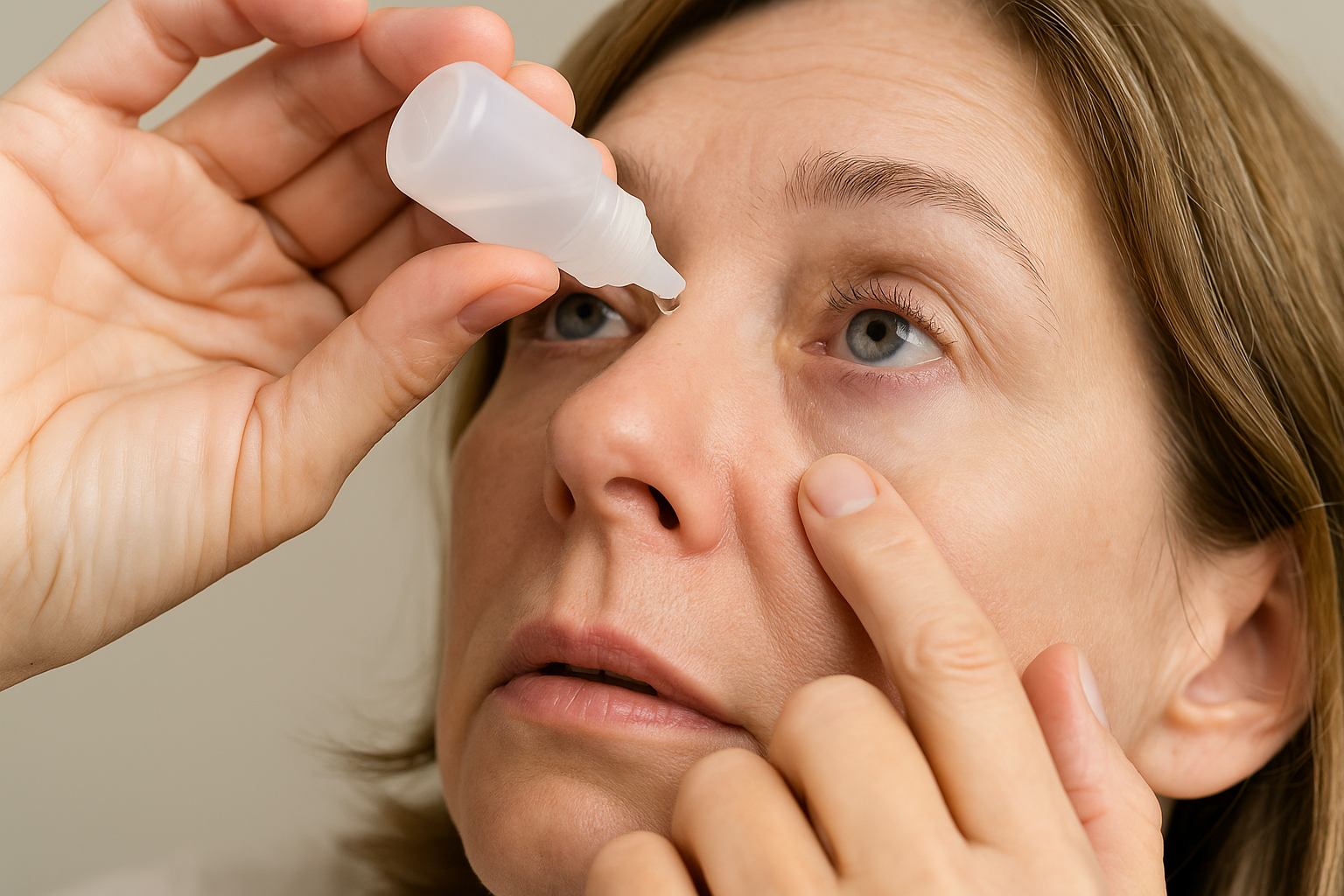
Understanding the Causes of Dry Eyes
Dry eyes are a common condition that affects millions of people worldwide. But what exactly causes dry eyes? Understanding this is crucial for effective treatment and prevention. In this article, we will explore the various factors that can lead to dry eyes, drawing from the latest research and expert insights.
The Physiology of Tear Production
To comprehend why dry eyes occur, it's essential to understand the basics of how tears are produced. Tears play a critical role in maintaining eye health, providing moisture, and protecting the eyes from irritants. The process of tear production involves three layers:
- The Oil Layer: Produced by the meibomian glands, this outermost layer prevents the evaporation of the underlying liquid layer.
- The Water Layer: The thickest layer, produced by the lacrimal glands, hydrates and nourishes the eye.
- The Mucus Layer: Helps spread the watery layer over the eye to keep it moist.
Disruption in any of these layers can lead to dry eye syndrome.
Environmental Factors
Many environmental factors can contribute to dry eyes. For instance, prolonged exposure to windy, dry, or smoky environments can exacerbate the condition. In 2026, The American Academy of Ophthalmology suggests minimizing exposure by using eye protection such as sunglasses or goggles and incorporating humidifiers in indoor environments to maintain adequate moisture levels.
Technological Influences
With the digital age, the prevalence of dry eyes has increased due to the excessive use of screens. Whether it's a computer at work or a smartphone at home, technology contributes significantly to eye strain. Known as "computer vision syndrome," the condition is characterized by less frequent blinking when focusing on a screen, which leads to quicker tear evaporation.
Experts recommend the 20-20-20 rule: every 20 minutes, take a 20-second break to look at something 20 feet away, which can help alleviate symptoms.
Medical and Lifestyle Factors
Certain medical conditions and lifestyle choices also play a role in the development of dry eyes.
- Aging: The natural aging process can lead to a decrease in tear production, making older adults more susceptible to dry eyes.
- Medications: Some medications, including antihistamines, decongestants, and antidepressants, can reduce tear production as a side effect.
- Hormonal Changes: Hormone changes, particularly in postmenopausal women, have been linked to increased dry eye symptoms.
- Contact Lenses: Prolonged wearing of contacts can exacerbate or even trigger dry eye conditions due to reduced oxygen reaching the eyes.
Health Conditions
Various health conditions can contribute to dry eyes. Diseases such as diabetes, rheumatoid arthritis, and thyroid disorders often coincide with or exacerbate dry eye symptoms. According to a 2026 study published in the American Journal of Ophthalmology, patients with autoimmune disorders are particularly at risk, as these conditions can interfere with tear production.
Potential Complications from Untreated Dry Eyes
Dry eyes may seem like a minor inconvenience, but without proper management, they can lead to more severe complications. These include:
- Increased risk of eye infections due to the protective barrier of tears being compromised.
- Damage to the surface of the eyes, including corneal abrasions.
- Potential impact on quality of life, as persistent discomfort can affect daily activities.
Consulting with an eye specialist is crucial if you experience persistent dry eye symptoms.
Effective Management and Treatment Options
While understanding the causes of dry eyes is important, knowing how to manage and treat them is equally critical. Current treatment options focus on alleviating symptoms and addressing the underlying causes, such as:
- Artificial Tears: Over-the-counter lubricating eye drops can help supplement natural tears.
- Prescription Medications: Your doctor may prescribe medications to reduce inflammation or increase tear production.
- Lifestyle Adjustments: Simple changes, such as taking regular breaks from screen time, ensuring adequate hydration, and using a humidifier, can aid in managing symptoms.
New advancements such as thermal pulsation treatment for meibomian gland dysfunction and intense pulsed light therapy are promising techniques being explored in 2026 to provide longer-lasting relief.
In conclusion, understanding what causes dry eyes and the factors contributing to this condition is the first step toward effective treatment and prevention. By staying informed and proactive, individuals can significantly alleviate the discomfort associated with dry eyes, leading to healthier vision and improved quality of life.