Unveiling the Truth: State Farm Pet Insurance and Coverage for Cats
Curious if State Farm Pet Insurance covers your feline friend? This insightful article explores the intricacies of State Farm Pet Insurance and delves into what coverage options may be available for your beloved cat.
Understanding Pet Insurance: What is it?
Pet insurance is a policy purchased by pet owners to help mitigate the costs associated with veterinary care. With the rising costs of veterinary treatments, pet insurance can be a financial lifesaver. It functions similarly to health insurance for humans, offering varying levels of coverage for accidents, illnesses, and wellness care.
In recent years, the pet insurance industry has gained popularity, with a growing number of pet owners opting to secure their pets against unforeseen health issues. According to the American Pet Products Association, as of 2026, the pet insurance market in the United States alone has seen a 15% annual growth. This undeniably highlights a significant trend towards pet healthcare awareness.
Does State Farm Pet Insurance Cover Cats?
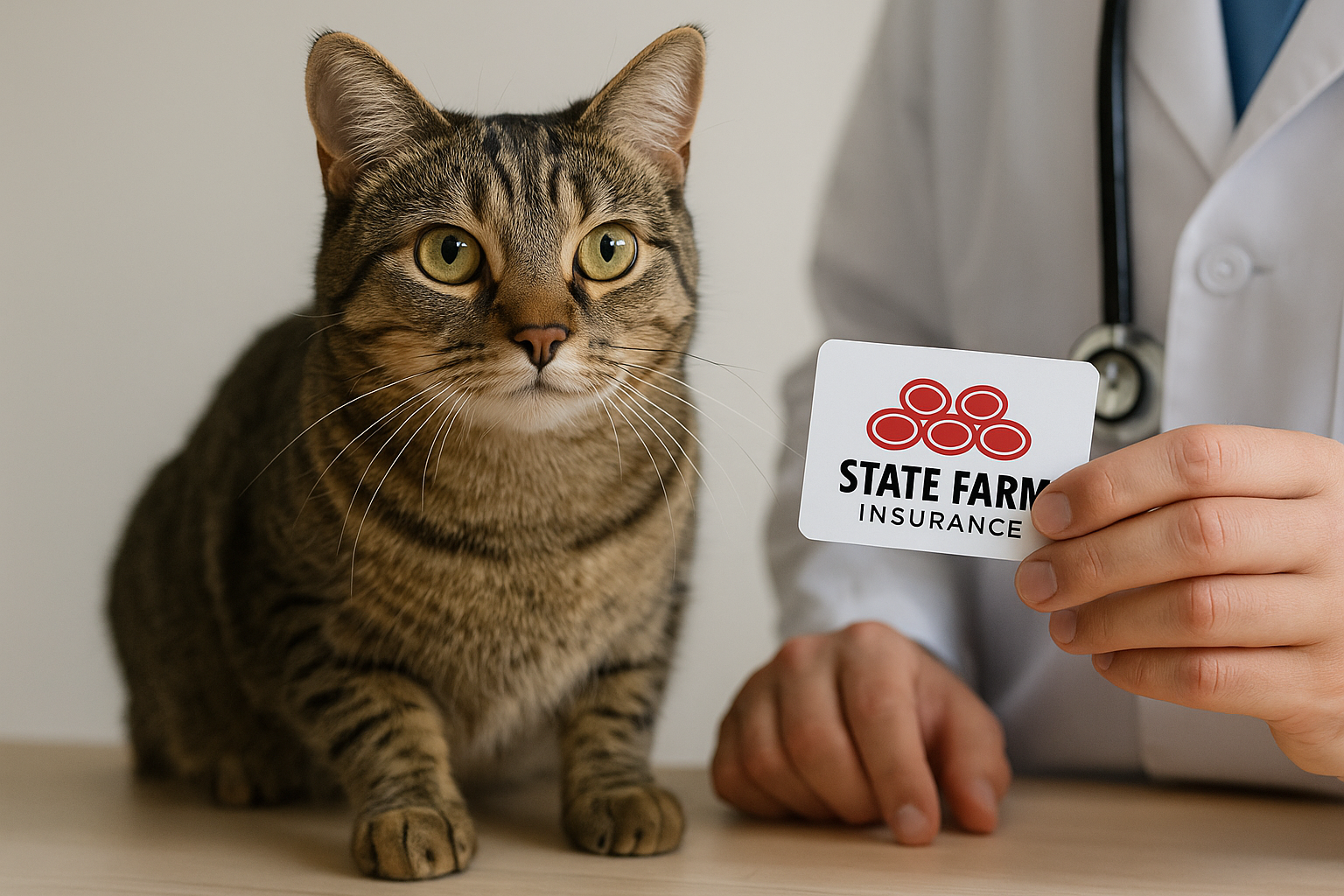
Yes, State Farm offers pet insurance that covers cats. Through a partnership with Trupanion, a renowned pet insurance provider, State Farm provides comprehensive insurance options for pet owners looking to safeguard their cats against unexpected health expenses.
The coverage offered by State Farm through Trupanion is quite extensive. It typically covers:
- Injuries and Accidents: In the event your cat gets injured or faces any accident, medical expenses like diagnostics, surgery, and hospital stay can be covered.
- Illnesses: From minor common illnesses to significant health issues like diabetes or cancer, treatment costs are typically covered under the policy.
- Hereditary and Congenital Conditions: Unlike some insurers, State Farm through Trupanion covers any hereditary or congenital conditions your cat might develop.
The Fine Print: Exclusions and Limitations
While State Farm provides coverage for a wide range of conditions, it’s crucial to understand the limitations and exclusions found in their policies. Like most pet insurance policies, pre-existing conditions are often not covered. It’s recommended to read the policy document thoroughly to be aware of what is included and what's excluded.
Why Consider Pet Insurance for Your Cat?
Cats, though generally resilient, can face various health issues throughout their life. Having insurance ensures that you can focus on their care, rather than financial concerns. Here are some reasons why pet insurance might be beneficial:
- Financial Peace of Mind: Veterinary costs can rapidly escalate, especially during emergencies. Insurance helps alleviate the financial burden, ensuring that medical decisions can be based on the best interest of your cat and not on costs.
- Advances in Veterinary Medicine: As veterinary medicine advances, so do the costs. Insurance can help you access state-of-the-art treatments and technologies that might be financially out of reach otherwise.
- Customizable Coverage: Policies can often be tailored to cover routine check-ups or specific additional options not typically included.
How to Choose the Right Pet Insurance Policy?
Choosing the right pet insurance involves considering various factors to find a policy that best fits your needs and budget. Here's a guide to help you make an informed decision:
Evaluate Your Cat's Health and Risks
Consider your cat’s age, breed, and existing health conditions. Certain breeds may be prone to specific illnesses which could impact your choice of coverage.
Compare Different Policies
Take the time to compare the various pet insurance policies available. Look into what each policy covers and its exclusions, as well as the premium costs. Websites such as PetInsuranceReview.com can provide side-by-side comparisons.
Consider the Reimbursement and Deductibles
Find out how claims are reimbursed and what the deductible amounts are. Some policies might offer a choice between a percentage reimbursement and a fixed amount.
Read Reviews and Ratings
Customer reviews can offer insights into customer satisfaction, ease of claims processing, and the general reliability of the insurer.
Real-World Example: How State Farm Pet Insurance Helped Lily the Cat
To provide a practical perspective, let's consider the case of Lily, a 4-year-old tabby cat. After unexpectedly ingesting a toxic plant, Lily required emergency veterinary care. The costs soared to over $4,000 with surgery and aftercare.
Fortunately, Lily's owner had a State Farm pet insurance policy, which covered 90% of the vet bill, leaving the owner with a much more manageable 10% to cover. This not only alleviated financial stress but also ensured that Lily received the best possible treatment without delay.
Conclusion
State Farm pet insurance, in collaboration with Trupanion, provides comprehensive coverage that can be instrumental in ensuring your furry friends stay healthy and happy. By assessing the various aspects of the policy, you can make an informed decision that best suits your and your cat’s needs.
For the latest insurance trends and to compare policies, consider visiting resources like North American Pet Health Insurance Association (NAPHIA) or CareCredit.
https://www.statefarm.com/insurance/pet
https://www.statefarm.com/insurance/pet/dog-insurance
https://www.statefarm.com/insurance/pet/cat-insurance
https://www.statefarm.com/simple-insights/family/how-does-pet-insurance-work
https://www.statefarm.com/simple-insights/family/what-does-pet-insurance-cover