Warm Up Your Winter: A Guide to the Best Electric Heating Pads for Cozy Comfort
Finding the right electric heating pad can make all the difference when the winter chill sets in. But not all pads are created equal, and choosing the wrong one can be a frustrating waste.
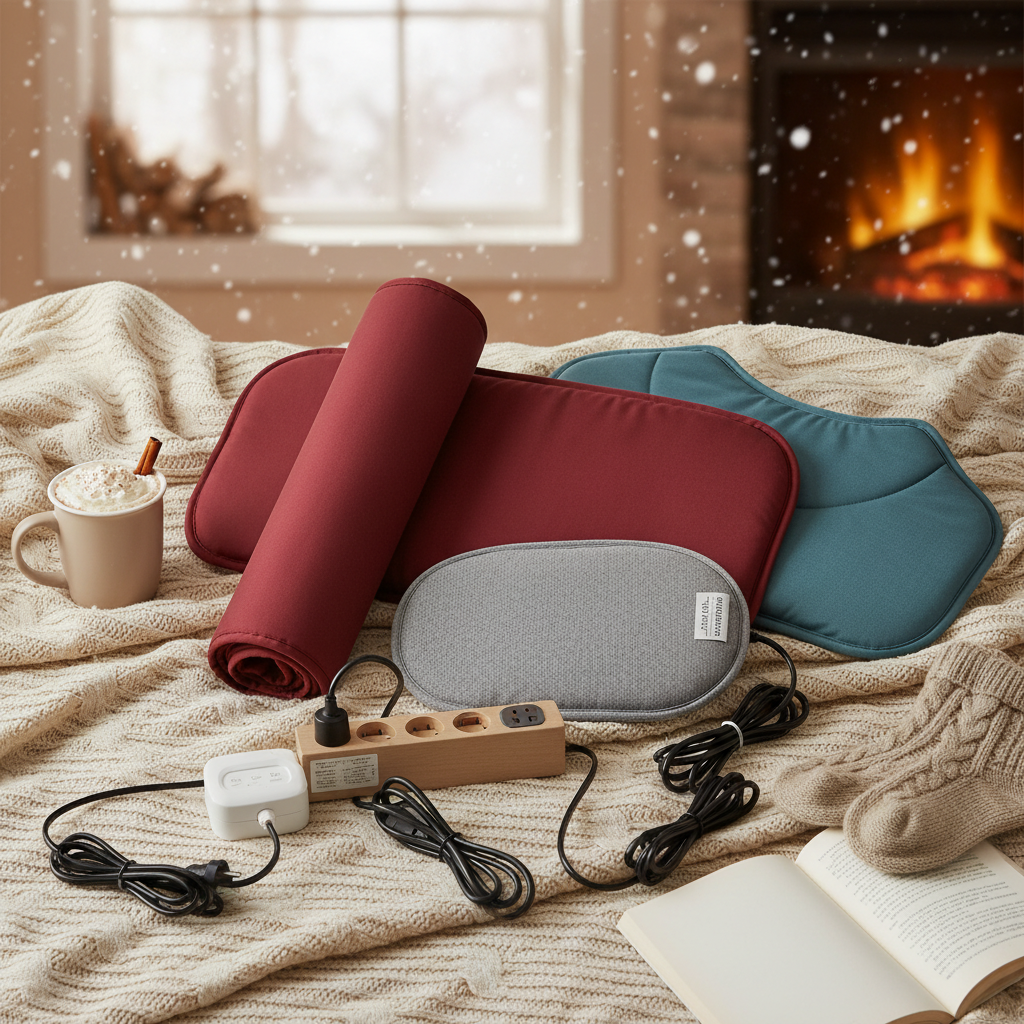
Types of Electric Heating Pads Ideal for Winter Comfort
When the winter chill sets in, an electric heating pad can be a source of immense comfort and relief. More than just a tool for aches and pains, it provides a cozy warmth that can make cold days and nights far more pleasant. However, not all heating pads are created equal. Different designs cater to various needs, from targeted muscle relief to full-body snuggling. Understanding the primary types available is the first step in finding the perfect one for your winter needs.
Standard Electric Heating Pads
The standard electric heating pad is the most common and recognizable type. Typically rectangular, these pads are versatile workhorses designed for localized heat application. They are perfect for targeting specific areas of discomfort, such as the lower back, abdomen for cramps, or a stiff shoulder. Their flexible design allows them to be draped over a chair, laid upon, or wrapped around a specific body part, providing direct and consistent warmth. Most standard models come with a soft, machine-washable cover made from materials like fleece or microplush, enhancing comfort during use.
These pads usually feature multiple heat settings, allowing you to customize the intensity from a gentle warmth to a more powerful, therapeutic heat. A crucial feature to look for is an automatic shut-off timer, which is a standard safety measure that prevents overheating and reduces risks if you happen to doze off. Their simplicity, effectiveness, and affordability make them a staple in many households for combating both the winter cold and everyday aches.
Extra-Large (XL) and Full-Body Pads
For those seeking more than just localized relief, extra-large (XL) and full-body heating pads offer a luxurious solution. These pads are significantly larger than standard models, designed to cover expansive areas like the entire length of your back, your legs, or even serve as a heated mat to lie on. During winter, their value extends beyond therapy; they are excellent for pre-heating a cold bed before you get in or for draping over your lap and torso while relaxing on the couch.
The enveloping warmth provided by an XL pad can help relax the entire body, promoting a sense of calm and well-being that is especially welcome on dark, cold evenings. Like their smaller counterparts, quality XL pads come with multiple heat settings and auto shut-off features. Their larger size means they are less portable, but their ability to deliver widespread, soothing heat makes them an unparalleled choice for ultimate winter comfort and relaxation.
Moist Heat Pads
Moist heat therapy is often recommended by physical therapists because it can penetrate deeper into muscle tissue than dry heat. Moist heat electric pads are specifically designed to provide this type of therapy. Some models feature an absorbent sponge or fabric layer that you can dampen with water before use, while others are designed to pull ambient moisture from the air to create a humid warmth. This approach is particularly effective for relieving deep muscle soreness, stiffness, and joint pain, which can often feel worse in cold weather.
In addition to its deep-penetrating ability, moist heat helps increase blood flow more effectively and can prevent the skin from drying out, a common issue with prolonged use of dry heat sources in winter. Many users find the sensation of moist heat to be more soothing and comforting than the sometimes "baking" feeling of dry heat. These pads are an excellent choice for individuals dealing with chronic conditions like arthritis or for athletes recovering from winter workouts.
Wearable Heating Pads
One of the biggest limitations of traditional heating pads is that they require you to remain stationary. Wearable heating pads solve this problem by offering targeted warmth on the go. These come in various forms, such as wraps specifically contoured for the neck and shoulders, belts for the lower back, or even flexible pads that can be secured around a knee or elbow. They are held in place with straps, Velcro, or magnetic clasps, allowing you to move around the house, work at a desk, or cook a meal while still enjoying the benefits of heat therapy.
This mobility is a game-changer during winter, allowing you to stay warm and soothe stiff muscles without being tethered to a couch or bed. Many wearable models are powered by long cords, while some newer versions even offer battery-powered portability for ultimate freedom. Their ergonomic designs ensure that heat is delivered precisely where it's needed most, making them perfect for addressing the neck and shoulder tension that can build up from hunching against the cold.
Weighted Heating Pads
Combining two popular therapeutic concepts, weighted heating pads merge the benefits of heat therapy with deep pressure stimulation. These pads are filled with materials like glass beads or clay beads, giving them a pleasant heft similar to a small weighted blanket. The gentle, consistent pressure helps to calm the nervous system, which can reduce anxiety and create a profound sense of security and relaxation. When combined with heat, the effect is doubly potent.
This type of heating pad is ideal for winter evenings when you want to unwind both physically and mentally. The weight helps the pad conform closely to your body, ensuring better heat transfer and a comforting, hug-like sensation. It's an excellent tool for easing muscle tension, reducing stress, and promoting a state of calm before sleep. For anyone who finds comfort in the feeling of a heavy blanket, a weighted heating pad offers an elevated experience of warmth and tranquility.
Understanding the Technology Behind Your Heating Pad
At its core, an electric heating pad operates on a simple principle called Joule heating, or resistive heating. Electricity flows through internal wires or coils that are designed to resist the flow of the current. This resistance converts electrical energy into heat energy, warming up the pad. Early models used simple, less flexible wiring, but modern pads often feature highly flexible wires or advanced materials like carbon fiber networks. This allows them to be folded and wrapped without damaging the internal heating elements, making them much safer and more durable.
The true advancement, however, lies in the control and safety features. A quality heating pad is equipped with a sophisticated controller that allows you to select from multiple temperature settings. This is managed by a thermostat that monitors the pad's temperature and cycles the power on and off to maintain the desired heat level. Most importantly, modern pads are built with critical safety mechanisms. The automatic shut-off feature, typically set for 30 minutes to 2 hours, is designed to prevent skin burns from prolonged exposure and significantly reduces fire risk. Furthermore, internal sensors can detect overheating and will shut the unit down immediately if a fault occurs, providing essential peace of mind.
Common Questions About Using Heating Pads in Winter
Are Electric Heating Pads Safe to Use Overnight?
While the thought of sleeping with a warm heating pad all night is tempting, it is strongly advised against by safety experts and manufacturers. The primary risk is sustaining serious skin burns. Even on a low setting, prolonged, uninterrupted contact with a heat source can damage skin tissue, especially if you fall asleep and don't shift your position. This risk is elevated for individuals with sensitive skin, poor circulation, or diabetes, who may have reduced sensation in their skin.
Beyond the risk of burns, there is also a potential fire hazard. Although modern heating pads have excellent safety features, any electrical device carries some level of risk. Falling asleep on a pad could cause it to bunch up or get trapped under heavy bedding, which can lead to overheating. The auto shut-off timer is a crucial safety feature designed to mitigate these risks, but it should be seen as a failsafe, not an encouragement for overnight use. For safe overnight warmth, consider an electric blanket designed for that specific purpose or simply use the pad to pre-warm your bed before getting in.
How Does Moist Heat Compare to Dry Heat?
The difference between moist heat and dry heat comes down to how effectively the heat is transferred to your body. Dry heat, like that from a standard electric pad, primarily heats the surface of the skin. It feels pleasant and can provide immediate comfort, and it's very convenient to use. However, it can also draw moisture away from the skin, potentially leading to dryness and irritation with extended use.
Moist heat, on the other hand, is considered more effective for therapeutic purposes because water transfers heat more efficiently than air. This allows the warmth to penetrate deeper into the layers of muscle tissue. This deep penetration helps to increase blood flow (vasodilation) more effectively, which delivers more oxygen and nutrients to the sore area and helps flush out metabolic waste. As a result, moist heat is often better for relieving deep muscle stiffness, chronic pain, and joint soreness. Many find it provides longer-lasting relief than dry heat alone.
What Are the Therapeutic Benefits of Using a Heating Pad?
The application of heat, known as thermotherapy, has several well-documented therapeutic benefits, making heating pads much more than just a comfort item. The primary benefit is pain relief. Heat helps to relax muscles and can decrease the transmission of pain signals to the brain. It also stimulates sensory receptors in the skin, which can help block the perception of pain from a deeper source.
Furthermore, heat promotes vasodilation, which is the widening of blood vessels. This increases blood flow to the targeted area, bringing more oxygen and nutrients to damaged tissues and helping to accelerate the healing process. This increased circulation is also key to reducing stiffness. By warming up muscles and connective tissues, a heating pad can increase their flexibility and improve range of motion, which is particularly helpful for joints that feel stiff from cold weather or inactivity.
Conclusion
Choosing the best electric heating pad for winter ultimately depends on your specific needs and preferences. Whether you need the focused relief of a standard pad, the all-encompassing warmth of an XL model, the deep therapy of moist heat, the convenience of a wearable device, or the calming pressure of a weighted pad, there is an option designed to enhance your comfort. Prioritizing key features like multiple heat settings, a soft washable cover, and, most importantly, an automatic shut-off function will ensure you can enjoy the soothing warmth safely and effectively all season long.