What Savvy Gym-Goers Prioritize When Choosing Leggings
Finding the perfect pair of gym leggings goes far beyond looks—just ask anyone who works out consistently. For them, it’s all about performance, from fabric that’s 100% squat-proof to a high-waisted band that refuses to roll down during a workout.
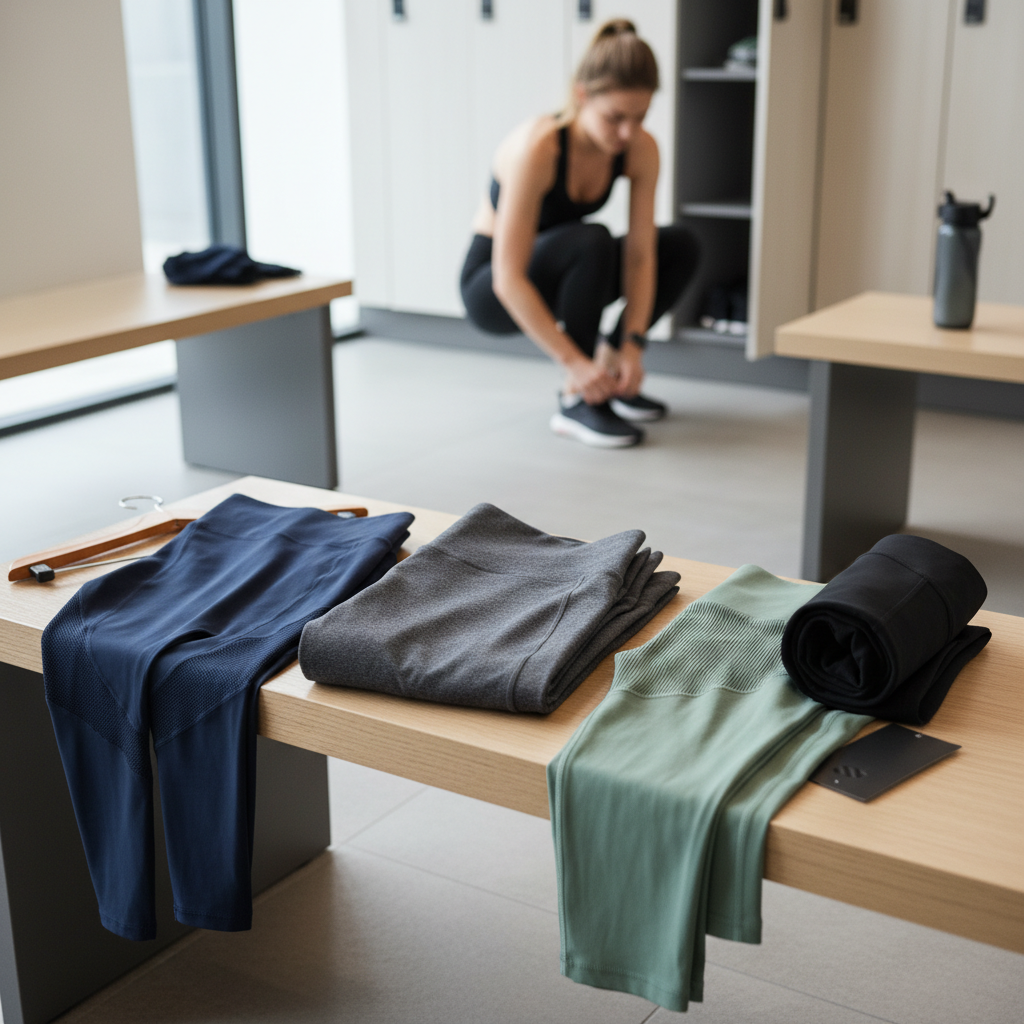
What Regular Gym-Goers Look For In Leggings
1. Squat-Proof Opacity
For anyone who has ever done a squat, deadlift, or even a deep stretch at the gym, this is often the number one non-negotiable feature. "Squat-proof" is a term used to describe leggings made from a fabric dense enough that it doesn't become transparent when stretched. When a gym-goer is in the middle of a heavy lift, the last thing they want to worry about is whether their underwear is visible to everyone behind them. This concern can be distracting and can even detract from proper form and focus.
Opacity is determined by the quality of the fabric, the knit density, and the color. Darker colors naturally offer more coverage, but a truly high-quality pair of leggings will remain opaque regardless of the shade. Regular gym enthusiasts test this by doing a deep squat in front of a mirror in good lighting before committing to a pair. It's a fundamental requirement for feeling confident and comfortable during any lower-body workout, providing peace of mind so the focus can remain entirely on the exercise.
2. High-Waisted, Secure Fit
The fit of the waistband is crucial for a distraction-free workout. Most seasoned gym-goers prefer a high-waisted design that sits at or above the natural waist. This style offers several practical benefits. Firstly, it provides a feeling of security and support around the core, which can be mentally comforting during heavy lifts or dynamic movements. Secondly, a high-waisted legging is far less likely to roll down or slip during activities like running, jumping, or bending over.
A secure waistband that stays put means no constant, annoying adjustments between sets. Some waistbands are designed with a wide, compressive band, while others might have a thin elastic or a drawstring for a more customizable fit. The key is that it hugs the body comfortably without digging in or constricting movement, ensuring the leggings feel like a second skin throughout the entire workout session.
3. Sweat-Wicking and Breathability
An intense workout inevitably leads to sweat. The material of the leggings plays a critical role in managing this moisture. Regular gym attendees look for fabrics specifically engineered to be "sweat-wicking." This technology pulls moisture away from the skin and disperses it across the fabric's surface, where it can evaporate more quickly. This process helps keep the wearer feeling drier and more comfortable, preventing the heavy, clammy feeling that comes with sweat-soaked clothing.
Closely related to this is breathability. A breathable fabric allows air to circulate, which helps regulate body temperature and further aids in the evaporation of sweat. Materials like polyester, nylon, and spandex blends are popular for their excellent wicking and breathable properties, whereas materials like 100% cotton are generally avoided for intense workouts because they absorb moisture and become heavy and uncomfortable.
4. Four-Way Stretch and Flexibility
A gym workout involves a wide range of motion, from the deep bend of a squat to the long stretch of a lunge. Leggings must be able to move with the body without any restriction. This is where "four-way stretch" comes in. This term means the fabric can stretch comfortably both crosswise and lengthwise, offering full freedom of movement. This elasticity ensures the leggings conform to the body's shape and movements without pulling or feeling tight.
This flexibility is essential for performance and comfort. If leggings are restrictive, they can hinder proper form, limit the range of motion, and ultimately impact the effectiveness of the workout. A good four-way stretch fabric will snap back to its original shape after being stretched, ensuring the leggings maintain their fit and don't become baggy over time. This is often achieved with a blend of materials, with spandex (also known as Lycra or elastane) being the key ingredient for stretch and recovery.
5. Durability and Pilling Resistance
Regular gym-goers are tough on their clothes. Leggings are subjected to friction from equipment (like barbells rubbing during deadlifts), constant stretching, and frequent washing. Because of this, durability is a major consideration. A well-made pair of leggings should be able to withstand this wear and tear without seams coming undone or the fabric thinning out prematurely.
Pilling—the formation of tiny balls of fiber on the surface of the fabric—is another common issue. It often occurs in high-friction areas like the inner thighs. High-quality, tightly woven synthetic fabrics are generally more resistant to pilling. Investing in a durable pair means not having to replace them every few months, making them a more economical choice in the long run for someone who works out several times a week.
6. Practical Features like Pockets
In today's world, practicality is paramount. Many gym-goers need a place to store essentials like a phone, keys, or a gym card without having to carry a bag around the gym floor. Leggings with pockets have become increasingly popular and are now a key feature for many. The most sought-after design is a deep side pocket on the thigh, which is secure enough to hold a smartphone during a run or a lift.
Some leggings also feature a smaller, hidden pocket in the waistband, which is perfect for a key or a credit card. While not a performance-enhancing feature, the convenience of pockets is a massive quality-of-life improvement that allows for a hands-free workout experience, and for many, it has become a must-have.
7. Seamless Construction
Seamless leggings are constructed with minimal stitching, creating a smoother, more comfortable fit. The primary benefit is the reduction of chafing. Traditional seams can rub against the skin during repetitive movements, leading to irritation and discomfort. By eliminating these seams, especially in sensitive areas, seamless designs offer a more pleasant workout experience.
Beyond comfort, seamless construction often provides a more flattering, body-hugging silhouette. The knitting technology used to create seamless apparel can also be used to integrate different levels of compression and ventilation directly into the fabric without adding extra seams, offering a more technical and streamlined garment.
8. Compression Level
Compression in leggings refers to how tightly they fit and support the muscles. This feature is more than just about feeling "held in." Light to moderate compression can offer several performance benefits. Many athletes and gym-goers find that compression helps improve blood circulation, which may reduce muscle fatigue during a workout and potentially aid in recovery afterward.
The level of compression is a matter of personal preference. Some prefer a gentle, supportive hug, while others seek a much firmer, more compressive fit for high-intensity training or heavy lifting. The right amount of compression provides a feeling of stability and muscle support without restricting movement or being uncomfortably tight.
The Evolution of Activewear Fabrics
The journey of activewear from basic cotton garments to the high-tech apparel we see today is a story of innovation. For decades, cotton was the go-to fabric for athletic clothing. It was soft, breathable when dry, and widely available. However, its major drawback became apparent as athletic intensity increased: cotton is highly absorbent. It soaks up sweat and holds onto it, becoming heavy, clingy, and slow to dry. This not only causes discomfort but can also lead to chafing and a drop in body temperature in cooler conditions.
The turning point came with the development and popularization of synthetic fibers in the mid-20th century. Materials like polyester and nylon offered a revolutionary alternative. Unlike cotton, these fibers are hydrophobic, meaning they naturally repel water. Instead of absorbing sweat, they allow it to pass through the fabric to the surface to evaporate. The invention of spandex (Lycra) in the 1950s was another game-changer, introducing unparalleled stretch and recovery. By blending these synthetic fibers, manufacturers could create fabrics that were durable, lightweight, moisture-wicking, and incredibly flexible—the perfect storm for high-performance athletic wear.
Common Questions About Gym Leggings
How Do You Properly Care for High-Performance Leggings?
Proper care is essential to extend the life of high-performance leggings and maintain their technical features. The golden rule is to wash them in cold water on a gentle cycle. Hot water can damage the delicate synthetic fibers, particularly the spandex, which gives them their stretch. It's also wise to turn the leggings inside out before washing to reduce friction on the outer surface, which helps prevent pilling and protects any logos or designs.
Avoid using fabric softener at all costs. While it makes clothes feel soft, it leaves a coating on the fabric that can clog the pores of the technical material, impairing its sweat-wicking capabilities. For drying, air drying is always the best option. Lay them flat or hang them to dry away from direct sunlight. The high heat of a dryer can break down the elastic fibers, causing the leggings to lose their shape and compression over time. Following these simple steps will ensure your gym wear performs at its best for longer.
What's the Difference Between Yoga Pants and Gym Leggings?
While the terms are often used interchangeably, there can be subtle differences between yoga pants and leggings designed for high-intensity gym workouts. Yoga pants traditionally prioritize comfort and extreme flexibility. They are often made from softer, more cotton-like materials and may feature a fold-over waistband for comfort in various poses. The primary focus is on unrestricted movement for deep stretches and holds.
Leggings designed for the gym, on the other hand, typically lean more towards performance and durability. They are often made from more compressive, slicker fabrics that offer muscle support and are resistant to abrasion from equipment. They are more likely to feature reinforced seams, high-compression waistbands, and advanced sweat-wicking technology to handle the intensity of cardio, weightlifting, and other dynamic exercises. While you can certainly wear gym leggings to yoga (and vice versa), each is subtly optimized for its intended activity.
Does the Color of Leggings Matter for Performance?
From a purely technical standpoint, the color of leggings does not impact their performance features like stretch, support, or durability. However, color does play a significant practical and psychological role for many gym-goers. Lighter colors, such as light gray, beige, or pastels, are notorious for showing sweat marks very prominently. For those who sweat a lot, this can be a source of self-consciousness.
For this reason, many people prefer darker colors like black, navy, or charcoal, or leggings with busy patterns. These options are excellent at camouflaging sweat, allowing the wearer to focus on their workout without worry. Psychologically, the color someone wears can also impact their mood and confidence. Wearing a color that makes you feel strong and energetic can be a small but meaningful motivator for a great workout session.
Conclusion
For the dedicated gym-goer, leggings are far more than a fashion statement—they are a piece of essential equipment. The ideal pair seamlessly blends function, comfort, and durability. Key attributes like squat-proof opacity, a secure high-waisted fit, and moisture-wicking fabric form the foundation of a great workout legging. Features such as four-way stretch, durable construction, and the convenience of pockets further enhance the training experience. Ultimately, the right leggings empower individuals to move with confidence and focus, allowing them to push their limits without being distracted by their attire.