What to Consider When Choosing the Best Hearing Aid Brand
With so many hearing aid brands on the market, choosing the "best" one can feel overwhelming. To simplify your search, we've analyzed the top names in the industry based on what matters most to users.
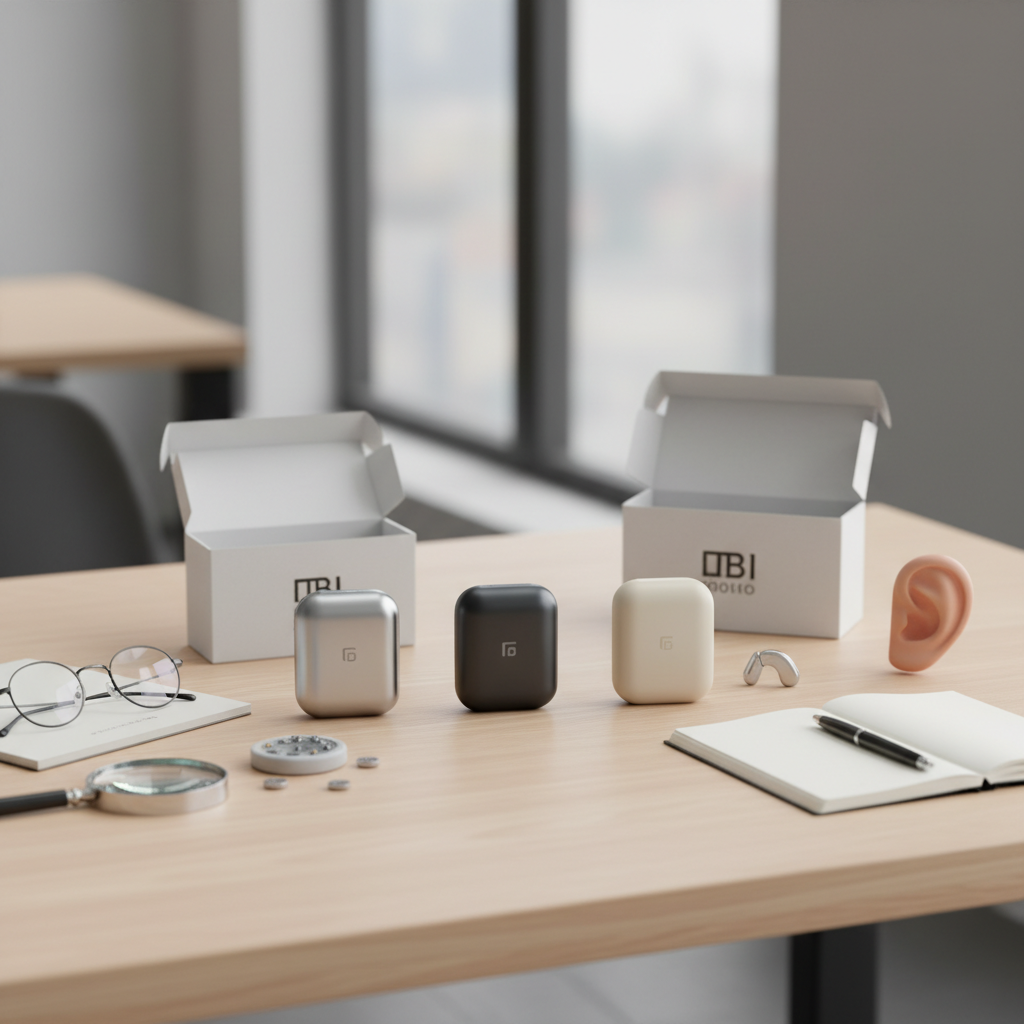
Which Brand Of Hearing Aid Is Ranked Best?
Choosing a hearing aid can feel overwhelming, especially with so many reputable brands on the market. The truth is, there isn't a single "best" brand for everyone. The ideal choice depends heavily on an individual's specific type of hearing loss, lifestyle, budget, and desired features. However, several brands consistently stand out for their innovation, sound quality, and user satisfaction. This guide explores the top-ranked hearing aid manufacturers, detailing what makes each a leader in the industry.
Phonak
Phonak, a Swiss manufacturer, is widely regarded as one of the most innovative and reliable brands in the world. They are particularly praised for their advanced technology designed to improve hearing in challenging listening environments, such as noisy restaurants or crowded gatherings. Their proprietary AutoSense OS technology is a standout feature, as it intelligently analyzes the soundscape in real-time and automatically adjusts the hearing aid settings for optimal clarity and comfort. This seamless adaptation means users don't have to manually change programs, making the listening experience feel more natural.
The brand is also a leader in connectivity. Phonak was one of the first to introduce universal Bluetooth connectivity, allowing their hearing aids to stream audio directly from virtually any smartphone (iOS or Android), tablet, or Bluetooth-enabled device without needing an intermediary streamer. Their Audéo Lumity line is a prime example of their commitment to speech understanding in noise, utilizing SmartSpeech Technology to help users focus on conversations from different directions. Phonak is often recommended for individuals with active lifestyles and those with severe to profound hearing loss who need powerful and versatile devices.
Oticon
Oticon, a Danish company, operates with a unique philosophy they call "BrainHearing." Their technology is engineered to support the brain's natural process of making sense of sound, rather than just amplifying it. This approach aims to reduce the cognitive load and listening effort that often accompanies hearing loss. By providing the brain with a more complete and balanced sound picture, Oticon hearing aids help users feel less tired at the end of the day and engage more fully in conversations. Their devices are known for delivering a rich and open sound experience.
The Oticon Real™ platform is a testament to this philosophy, incorporating features that handle sudden disruptive sounds and stabilize the auditory scene to reduce distractions like wind and handling noise. Oticon was also a pioneer in using Deep Neural Networks (DNN) in their hearing aids. This form of artificial intelligence was trained with millions of real-life sound scenes, allowing the device to recognize and balance sounds with incredible precision. This makes Oticon a top choice for users who prioritize natural sound quality and want to reduce the mental fatigue associated with hearing.
Widex
Widex is another leading Danish brand celebrated for its exceptional sound quality, particularly for music lovers. The company has a long-standing reputation for producing hearing aids that offer a pure, clean, and natural sound that many users find superior. Their Widex MOMENT™ line introduced PureSound™ technology, which processes sound faster than any other digital hearing aid on the market. This ultra-fast processing significantly reduces the artificial, tinny sound that can sometimes occur when processed sound and direct sound mix in the ear canal, resulting in a more authentic listening experience.
Beyond music, Widex is also known for its focus on user comfort and tinnitus management. Their devices often include a Zen Therapy feature, which uses fractal tones (similar to wind chimes) to help users relax and manage the symptoms of tinnitus. The brand's commitment to sleek, discreet design and user-friendly apps also makes them a popular choice. For individuals who are sensitive to processed sounds or are passionate about music, Widex is often the recommended brand.
Signia
Signia, formerly known as Siemens Hearing Instruments, is a German brand with a strong engineering heritage. They are recognized for their cutting-edge technology, sleek designs, and focus on enhancing speech clarity in noisy situations. One of their most significant innovations is the Augmented Xperience (AX) platform. This technology uses two separate processors: one for speech and one for background sounds. By processing these elements independently, the hearing aid can create a clear contrast, making speech stand out while keeping the background environment audible but not overwhelming.
Signia is also a leader in rechargeable technology and discreet form factors. Their Styletto hearing aids broke the mold of traditional designs with a slim, stylish receiver-in-canal (RIC) look resembling a modern tech wearable. They also offer the Silk X, one of the smallest completely-in-canal (CIC) hearing aids available, which is ready to wear without the need for a custom-molded shell. For users who prioritize aesthetics, clear speech in noise, and innovative technology, Signia is a formidable contender.
ReSound
ReSound, part of the GN Group in Denmark, has a strong history of innovation in connectivity and personalized hearing. They were the first to launch a "Made for iPhone" hearing aid, setting a new standard for direct streaming and app-based control. Their technology focuses on creating a more natural and intuitive hearing experience by mimicking the way the human ear naturally processes sound. The ReSound ONE hearing aids feature a unique M&RIE (Microphone & Receiver-in-Ear) design, which places an extra microphone inside the ear canal to capture sound organically.
This M&RIE technology allows the hearing aid to use the unique shape of the user's own ear to collect sound, preserving spatial cues and delivering a more immersive and complete soundscape. ReSound's Smart 3D app is also highly praised for its user-friendliness and extensive customization options, allowing users to fine-tune their settings for different environments. ReSound is an excellent choice for tech-savvy individuals who want a high degree of personalization and superior connectivity with their Apple devices.
Starkey
Starkey is the only major American-owned and operated hearing aid manufacturer. They have distinguished themselves by integrating advanced health and wellness tracking features directly into their hearing aids. Their flagship Livio AI and Evolv AI lines are marketed as "healthable" devices, going beyond just hearing improvement. These hearing aids feature embedded sensors that can track physical activity, monitor social engagement, and even detect falls, sending an alert to a designated contact. This makes them a unique, multi-functional device for users who are proactive about their overall health.
In terms of sound technology, Starkey's Hearing Reality Pro platform is designed to excel in difficult listening environments, reducing background noise and enhancing speech clarity. They also offer a powerful feedback cancellation system that prevents the annoying whistling or buzzing sounds that can sometimes occur. For users who want a hearing aid that doubles as a wellness tracker or for families seeking extra peace of mind through fall detection, Starkey offers features that no other brand can match.
The Evolution of Hearing Aid Technology
The journey of hearing aids from simple ear trumpets to today's sophisticated microcomputers is a remarkable story of technological advancement. Early devices were purely mechanical, designed to funnel sound waves directly into the ear. The 20th century brought analog technology, which could amplify sound electronically but offered limited customization and often amplified all sounds equally, including unwanted background noise. This meant that while sounds were louder, they weren't necessarily clearer.
The true revolution began with the advent of digital signal processing (DSP) in the 1990s. Digital hearing aids could convert sound waves into digital code, allowing for complex manipulation. Audiologists could now precisely program the devices to amplify specific frequencies where a person had hearing loss while suppressing others. This led to the development of features like multi-channel compression, feedback cancellation, and directional microphones, all aimed at improving speech clarity in noisy environments. The introduction of Bluetooth and wireless connectivity in the 2000s transformed hearing aids into personal communication hubs, enabling direct streaming of phone calls, music, and other audio. Today, artificial intelligence and machine learning are pushing the boundaries even further, allowing hearing aids to learn a user's preferences and adapt automatically to their environment for a truly personalized experience.
Understanding Different Hearing Aid Styles
When selecting a hearing aid, the style of the device is as important as the brand. The right style depends on the degree of hearing loss, ear canal anatomy, lifestyle needs, and cosmetic preferences. The most common style is the Behind-the-Ear (BTE) model. In a BTE, all the electronic components are housed in a case that sits behind the ear, with a clear tube directing sound into a custom earmold inside the ear. BTEs are powerful, durable, and suitable for all degrees of hearing loss, especially severe to profound.
A more popular and discreet variation is the Receiver-in-Canal (RIC) or Receiver-in-the-Ear (RITE) style. It is similar to a BTE, but the receiver (speaker) is placed directly in the ear canal at the end of a thin wire, rather than in the main housing. This allows for a much smaller case behind the ear and a more open, natural sound quality, making it a comfortable choice for mild to severe hearing loss. For those seeking maximum discretion, In-the-Ear (ITE), In-the-Canal (ITC), and Completely-in-Canal (CIC) models are custom-molded to fit entirely within the outer ear or ear canal. While they are cosmetically appealing, their smaller size can mean shorter battery life and fewer features like directional microphones.
What Key Features Should You Look For in a Modern Hearing Aid?
Modern hearing aids are packed with features designed to improve the listening experience. One of the most sought-after is Bluetooth connectivity, which allows for direct audio streaming from smartphones, TVs, and other devices. This turns the hearing aids into a pair of high-quality wireless headphones. Rechargeable batteries are another major convenience, eliminating the need to handle tiny disposable batteries. Most rechargeable models offer a full day of use on a single charge and come with a simple, user-friendly charging case.
Advanced noise reduction and directional microphone systems are crucial for understanding speech in noisy settings. These features work together to identify and suppress background noise while focusing on the sounds coming from in front of you, like the person you are talking to. A telecoil (or T-coil) is another valuable feature. It's a small copper wire inside the hearing aid that can pick up magnetic signals from sound systems in public venues like theaters, airports, and houses of worship, streaming the audio directly to the user's ears for crystal-clear sound.
Final Thoughts on Choosing a Hearing Aid Brand
While brands like Phonak, Oticon, Widex, and Signia consistently receive top marks for their technology and performance, the "best" brand is ultimately a personal decision. The most critical step in the process is consulting with a qualified audiologist. They will conduct a comprehensive hearing evaluation and discuss your lifestyle, communication goals, and budget. Based on this information, they can recommend the specific brands and models that are best suited to your unique hearing profile, ensuring you get a solution that truly enhances your quality of life.