What You Need to Know About Stopping Pubic Hair Removal
Curious about the natural effects on your skin or hair texture if you decide to stop removing pubic hair? Discover the potential changes in sensation and appearance that might occur with this choice.

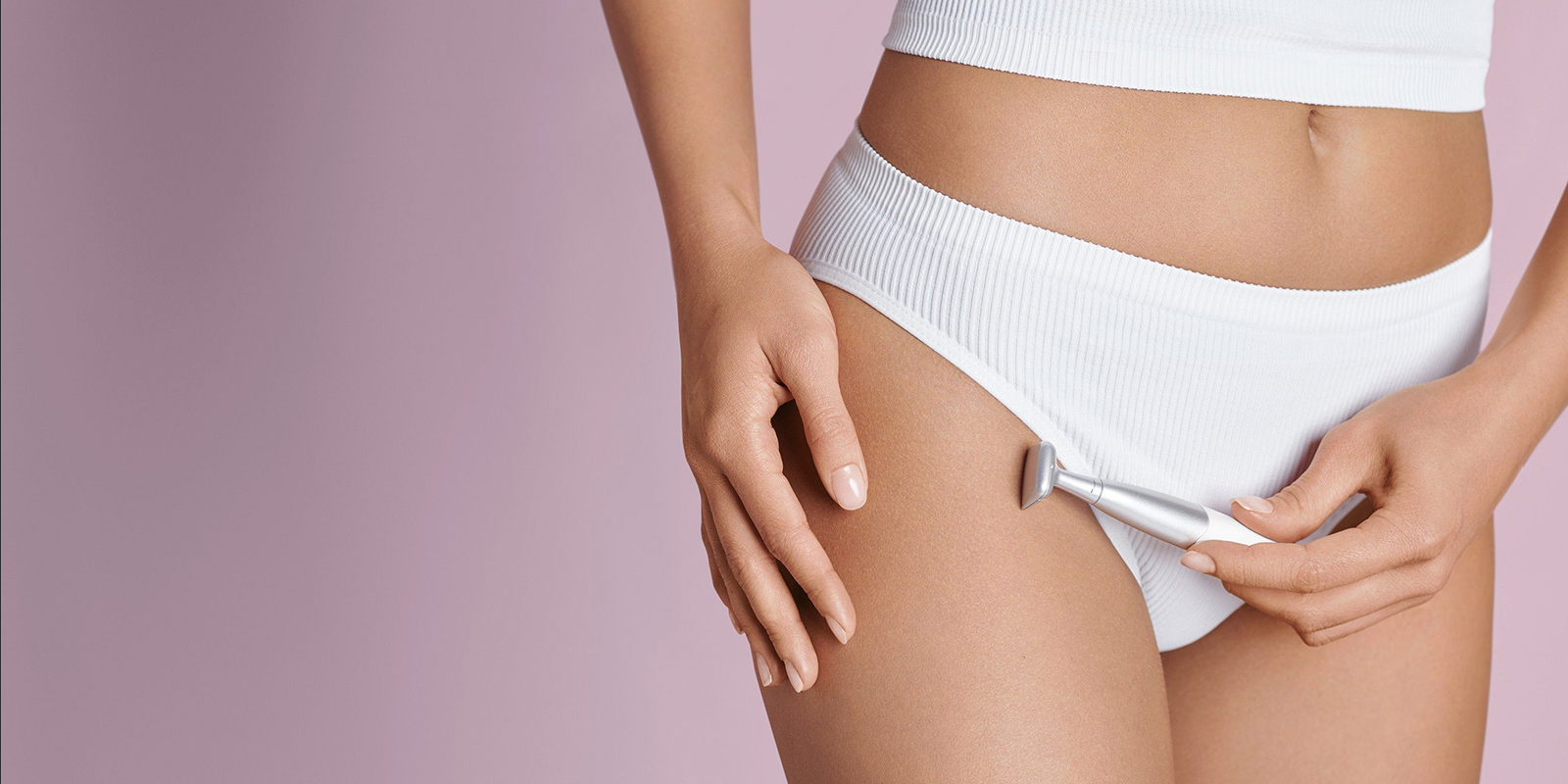
The Evolutionary Purpose and Benefits of Pubic Hair
The presence of pubic hair in humans is no accident; it has significant evolutionary and biological purposes. Experts often compare the hair in our pubic region to a protective barrier that decreases friction during sexual intercourse and prevents the transmission of bacteria and other pathogens. This natural cushion can also protect against irritation, lacerations, and infections.
Moreover, pubic hair helps in the dissemination of pheromones, which are chemicals that play a role in sexual attraction. These chemicals can hold information about a person’s genetic makeup, potentially aiding in mate selection. [Source]
Health Benefits of Retaining Pubic Hair
Retaining pubic hair offers several health advantages. Firstly, it serves as a protective layer that reduces the risk of genital irritation caused by clothing, intimate activities, or external pollutants. When pubic hair is regularly shaved or waxed, the removal process can lead to abrasions and micro-cuts in the skin, potentially becoming a gateway for harmful bacteria and resulting in infections.
Additionally, some studies have shown that individuals who frequently remove pubic hair are at a higher risk for sexually transmitted infections. The micro-tears caused by shaving or waxing can facilitate the transmission of viral infections like HPV and herpes. Therefore, keeping pubic hair may serve as a buffer against these risks. [Source]
Considerations for Personal Preferences
In today’s society, personal grooming choices around pubic hair can be heavily influenced by social norms, media representations, and partner preferences. While some opt for complete hair removal for cosmetic reasons, others choose to maintain their natural state for comfort or health-related reasons.
It is essential that individuals understand and weigh the potential risks associated with frequent pubic hair removal against their personal desires and lifestyle. Regular shaving, for example, can lead to skin irritation, itching, and folliculitis, a condition where hair follicles become inflamed. Similarly, waxing can cause skin sensitivity, burns, or allergic reactions. [Source]
Practical Tips for Pubic Hair Maintenance
For those who decide to reduce or remove pubic hair, there are several methods to ensure safe practices. If shaving, use a clean, sharp razor and shave in the direction of hair growth to minimize skin irritation. Applying a moisturizing aftercare product can also aid in reducing post-shave discomfort. If waxing, ensure that you visit a professional who maintains high hygiene standards and uses high-quality products.
Conversely, for those who decide to leave their pubic hair intact, regular maintenance can facilitate comfort and hygiene. Washing the area with gentle, pH-balanced soap and keeping it dry can prevent infections and odors. Trimming can also help maintain a neat appearance and prevent tangling or snagging of hair.
Conclusion
Ultimately, the decision to remove or keep pubic hair should be a personal choice balanced with health considerations and comfort. Understanding the role that pubic hair plays in protecting against bacterial infections, irritation, and sexually transmitted infections suggests health benefits in maintaining natural hair. However, consideration for personal preference in style, comfort, and hygiene remains paramount. Educating oneself on the potential risks and benefits, as well as employing safe grooming techniques, will empower individuals to make informed decisions in any case.