Why Betaine Deserves a Place in Your Daily Health Routine
Betaine might not be as well-known as other nutrients, but it plays a surprisingly crucial role in your overall health. From improving your digestion and supporting liver function to potentially enhancing your workout performance, its benefits are wide-ranging.
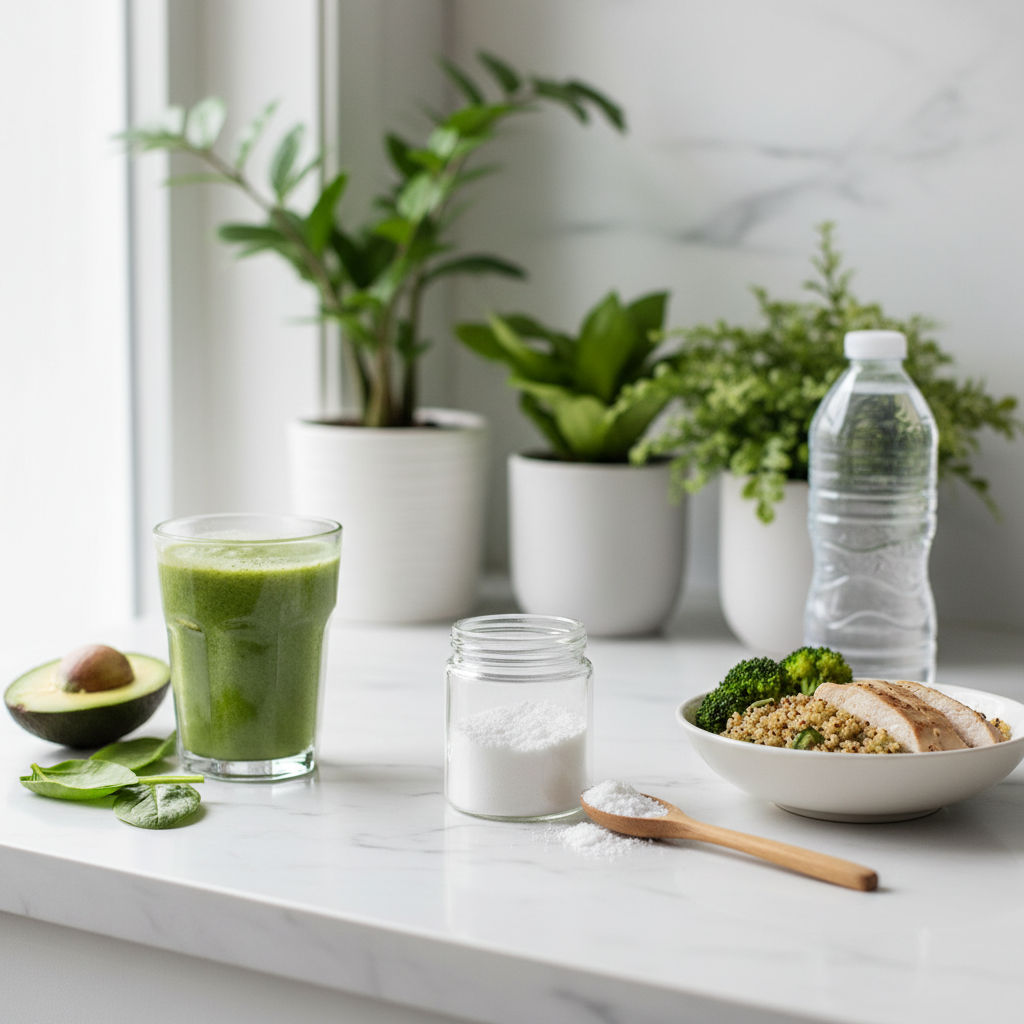
Key Roles and Benefits of Betaine
You may have heard about betaine in the context of sports supplements or digestive aids, but this powerful compound plays a much broader and more critical role in your overall health. Found naturally in many foods and also produced by the body, betaine is involved in several fundamental biological processes. Understanding its benefits can shed light on why it's a nutrient worth paying attention to for maintaining wellness from the inside out.
Supports Heart Health by Regulating Homocysteine
One of the most well-researched benefits of betaine is its ability to support cardiovascular health. It accomplishes this by helping to metabolize an amino acid called homocysteine. In high concentrations, homocysteine can damage the lining of arteries and increase the risk of blood clots, making it a significant risk factor for heart disease, stroke, and other vascular problems. When homocysteine levels rise, it indicates a potential issue in a critical biochemical cycle known as methylation.
Betaine, also known as trimethylglycine (TMG), acts as a "methyl donor." It provides a methyl group to convert harmful homocysteine back into a beneficial amino acid called methionine. This process not only neutralizes a threat to your blood vessels but also supports the body's overall methylation capacity, which is vital for countless other functions. By keeping homocysteine levels in a healthy range, betaine provides a powerful line of defense for your heart and circulatory system.
Enhances Liver Function and Detoxification
The liver is your body's primary detoxification organ, responsible for processing fats, filtering toxins, and performing over 500 other essential functions. Betaine plays a crucial protective role for the liver, particularly in preventing the buildup of fatty acids. This condition, known as non-alcoholic fatty liver disease (NAFLD), can impair liver function and lead to more severe health issues over time.
Betaine is a lipotropic compound, which means it helps the liver process and break down fats. By donating methyl groups, it assists in the production of substances that transport fats out of the liver, preventing them from accumulating. This not only protects against fatty liver but also supports the liver's ability to perform its detoxification duties efficiently. A healthy, well-functioning liver is central to overall health, and betaine is a key nutrient that helps keep it that way.
Improves Hydration and Cellular Function
Beyond its metabolic roles, betaine is a powerful osmolyte. An osmolyte is a compound that helps cells maintain their volume and fluid balance, protecting them from environmental stress. Think of it as a natural hydration manager at the cellular level. When your cells are exposed to stressors like dehydration, extreme temperatures, or high salinity, they can lose water and shrink, impairing their function.
Betaine accumulates inside cells and helps them hold onto water, protecting cellular proteins and enzymes from damage. This cellular resilience is crucial not only during intense physical activity but also for everyday biological stability. By ensuring your cells remain properly hydrated and structurally sound, betaine supports everything from muscle function to nutrient transport, making it a cornerstone of cellular health.
May Boost Athletic Performance
Thanks to its role as an osmolyte and its involvement in creatine synthesis, betaine has become a popular supplement among athletes looking for a natural edge. Its ability to maintain cellular hydration is particularly beneficial during strenuous exercise, as it can help delay the onset of fatigue and protect muscle cells from dehydration-induced stress. This allows athletes to train harder and for longer periods.
Furthermore, betaine contributes to the body's production of creatine, a compound famous for its role in energy production and muscle power. Some studies have suggested that betaine supplementation can lead to improvements in muscle endurance, power output, and overall strength. While more research is needed to fully understand the mechanisms, the existing evidence points to betaine as a valuable nutrient for supporting physical performance and recovery.
Supports Healthy Digestion
While betaine (TMG) is the core compound, you might also encounter it in a form called Betaine Hydrochloride (Betaine HCl). This supplemental form is specifically designed to support digestion by increasing stomach acid levels. Proper stomach acid (hydrochloric acid) is essential for breaking down proteins, absorbing minerals like iron and calcium, and killing off harmful pathogens that enter the body with food.
Factors like age, stress, and certain medications can lead to low stomach acid, resulting in symptoms like bloating, indigestion, and nutrient deficiencies. Betaine HCl works by delivering hydrochloric acid to the stomach, helping to restore a healthy acidic environment. This ensures that food is properly sterilized and broken down, setting the stage for optimal nutrient absorption in the intestines and supporting a healthy gut microbiome.
A Deeper Look: Where Does Betaine Come From?
The name "betaine" offers a clue to its origin—it was first discovered in the 19th century in sugar beets (Beta vulgaris). Since then, scientists have identified it in a wide variety of other plants, animals, and microorganisms. Its scientific name, trimethylglycine (TMG), provides a more technical description of its chemical structure: it is a derivative of the amino acid glycine with three (tri) methyl groups attached to it. It is these methyl groups that make betaine such a valuable methyl donor in the body.
While our bodies can produce a certain amount of betaine from choline, an essential nutrient, we also rely on dietary sources to maintain optimal levels. Getting enough betaine through food is crucial because it helps spare the body's supply of choline, allowing choline to be used for other vital functions like building cell membranes and producing neurotransmitters. Therefore, both dietary intake and internal synthesis work together to ensure the body has an adequate supply of this versatile and important compound.
Common Questions About Betaine
What Are the Best Food Sources of Betaine?
Fortunately, betaine is present in a variety of healthy, whole foods, making it relatively easy to incorporate into your diet. As its name suggests, beets are one of the richest sources. Both the root and the greens are packed with this beneficial compound. Other excellent sources are found in whole grains and certain vegetables.
Some of the top food sources of betaine include:
- Wheat Bran: Often considered the most concentrated food source.
- Quinoa: A nutrient-dense pseudo-cereal that provides a good amount.
- Beets: Both raw and cooked beets are excellent sources.
- Spinach: This leafy green is another powerhouse of betaine.
- Shrimp and other shellfish: Seafood can be a significant contributor.
- Rye and other whole grains: Whole-grain products contain more betaine than their refined counterparts.
By focusing on a diet rich in these whole foods, you can naturally support your body's betaine levels and reap its associated health benefits without needing to turn to supplements immediately.
Is Betaine the Same as Betaine HCl?
This is a very common point of confusion, and it's important to understand the distinction. While they share a name, betaine (TMG) and Betaine Hydrochloride (Betaine HCl) serve very different primary purposes in the body and in supplements. Betaine, or TMG, is the nutrient discussed throughout this article that functions as a methyl donor and an osmolyte, supporting heart health, liver function, and cellular hydration.
Betaine HCl, on the other hand, is a supplemental form of betaine that has been bound with hydrochloric acid. Its purpose is not primarily to provide the body with betaine for methylation but to act as a source of acid to support digestion in the stomach. People take Betaine HCl to help increase their stomach acid levels for better food breakdown and nutrient absorption. So, while both originate from the same core compound, their applications are distinct: think of TMG for systemic health (heart, liver) and Betaine HCl for digestive health.
Are There Any Side Effects or Risks with Betaine Supplementation?
For most people, betaine is considered safe when taken at recommended dosages, either through food or supplements. However, like any supplement, it can cause side effects in some individuals. The most common side effects are mild and digestive in nature, including nausea, stomach upset, or diarrhea. These often occur when starting with a high dose.
A more significant consideration is betaine's potential effect on cholesterol levels. Some studies have shown that high doses of betaine supplementation can cause a modest increase in LDL ("bad") cholesterol. For this reason, anyone with pre-existing heart conditions or concerns about their cholesterol should consult a healthcare provider before starting a betaine supplement. As always, it is wise to speak with a doctor before adding any new supplement to your regimen, especially if you are pregnant, breastfeeding, or have underlying health conditions like kidney disease.
Conclusion
Betaine is far more than a simple nutrient; it is a multi-functional compound that is fundamental to some of the body's most important processes. From protecting the heart by managing homocysteine levels to supporting liver detoxification and enhancing cellular resilience, its contributions to our health are both deep and wide-ranging. Whether obtained through a diet rich in beets, spinach, and whole grains or through targeted supplementation, ensuring adequate betaine levels is a smart strategy for promoting long-term wellness and vitality.
For more information, you can visit these resources: