Your Complete Guide to Starting a Career as a Sonographer
Considering a rewarding field? Learning how to start a career as a sonographer offers exciting growth potential. We explore essential steps and program options for aspiring sonographers. Discover the varied pathways and qualifications needed to become a certified sonographer.
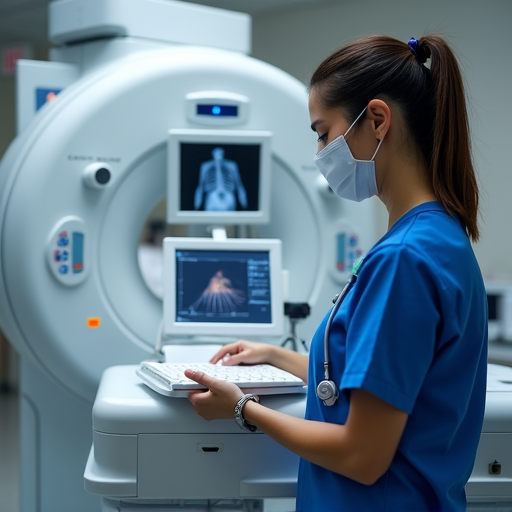
Understanding the Role of a Sonographer: More Than Just Pictures
When most people hear the term "sonography," they think of ultrasound machines and images of developing babies. While obstetrics (OB) is one of the most recognized uses of the technology, the scope of a sonographer's practice is incredibly diverse and clinically critical. At its core, a sonographer is a highly skilled healthcare professional who utilizes diagnostic imaging—specifically, sound waves—to create real-time visual representations of internal body structures. These images, or sonograms, are essential tools that help physicians diagnose conditions, monitor organs, and guide medical procedures, allowing for prompt and accurate patient care.
The Science Behind the Sound Wave
It’s helpful to understand that ultrasound technology does not use radiation, eliminating the common fear of damaging tissue. Instead, it emits high-frequency sound waves that travel through body tissues. When these sound waves encounter different types of material—such as fluid, bone, fat, or solid organs—they are reflected back to the transducer (the wand used on the patient). The machine then translates these returning echoes into a detailed, two-dimensional image that healthcare providers can interpret. This process requires not only technical proficiency in operating complex equipment but also a profound understanding of human anatomy and physiology.
The primary goal of the sonographer is to acquire the highest quality, clearest images possible, which then serve as invaluable data for the interpreting physician. This makes the role highly technical, requiring a blend of deep scientific knowledge and compassionate patient interaction.
Mapping Your Journey: Essential Steps to Becoming a Certified Sonographer
Starting a career in sonography is rewarding, but it requires intentional, structured education. It is not a field where on-the-job training is sufficient; accreditation and formalized training are paramount to safety and competence. The path generally follows a linear, rigorous sequence of steps designed to ensure you are ready for clinical practice.
1. Choosing Your Educational Pathway (Associate vs. Bachelor's)
Most accredited programs offer either an Associate of Science (A.S.) degree or a Bachelor of Science (B.S.) degree. While both provide the necessary clinical foundation, the choice often depends on your career goals and time commitment.
- Associate of Science (A.S.): This is often the faster and more direct route. It provides the core sonography curriculum, including anatomy, physics, and practical imaging skills. Graduates can typically enter the workforce within 2–3 years.
- Bachelor of Science (B.S.): Many programs offer a B.S. that includes more coursework in general sciences, pathophysiology, and sometimes advanced clinical electives. While longer, the B.S. is often preferred if you plan to pursue advanced certifications or roles that require higher levels of academic knowledge, such as those in research or management.
2. Accreditation and Certification: The Non-Negotiable Steps
Simply graduating from a school is not enough; you must pass national certification exams. The two most recognized bodies are the American Registry for Diagnostic Medical Sonography (ARDMS) and the American Midwifery Certification Board (AMCB). Regardless of which path you take, your program must be accredited and designed to prepare you for these state and national exams.
The Certification Process typically involves:
- Completion of a rigorous academic curriculum.
- Passing a comprehensive national board exam.
- Maintaining continuing education units (CEUs) throughout your career to ensure knowledge remains current, especially given the rapid advancements in imaging technology.
3. Clinical Experience and Practical Training
Education must be paired with hands-on experience. Accredited programs integrate extensive clinical rotations, allowing students to work under the direct supervision of licensed sonographers in real-world settings, such as hospital emergency departments, private radiology clinics, and specialized maternal care units.
These rotations are where theory meets practice. You learn to communicate effectively with patients, manage unexpected technical challenges, and adapt your scanning techniques based on the specific patient presentation and equipment limitations.
Exploring the Depth: Specializations in Sonography
The beauty of sonography is its versatility. You do not have to be a generalist. Once certified, you can choose to specialize, focusing on specific organ systems or populations. Understanding these differences helps clarify what day-to-day work looks like.
Obstetrics and Gynecology (OB/GYN)
This is the most common specialization. Sonographers in this field monitor pregnancies, assess fetal development, screen for chromosomal abnormalities, and evaluate reproductive organs. This role requires high emotional intelligence and meticulous attention to detail, as you are often communicating critical information to highly stressed individuals and families.
Vascular Sonography
Vascular sonographers assess the blood vessels. They check for blockages (stenosis), measure blood flow, detect blood clots (Deep Vein Thrombosis or DVT), and evaluate the health of arteries and veins throughout the body. This specialization is highly technical, often involving Doppler technology to measure blood flow velocity and patterns.
Abdominal and Pelvic Sonography
These sonographers examine internal organs such as the liver, gallbladder, kidneys, and pelvic structures (uterus, ovaries). They are often crucial in diagnosing gallstones, assessing kidney function, and identifying internal bleeding or masses.
Cardiac Sonography (ECHO)
This advanced area, often requiring additional specialized training, involves using ultrasound to examine the heart and blood flow dynamics. It is critical for diagnosing congenital heart defects and assessing the function of heart valves and chambers.
The Professional Reality: Salary, Job Outlook, and Impact
A key question for prospective students is the return on investment. Fortunately, the job outlook for diagnostic medical sonographers is strong, driven by an aging population and advancements in prenatal and chronic care.
Job Growth and Market Demand
According to industry analyses, the demand for imaging specialists is projected to grow significantly over the next decade. As medical technology becomes more sophisticated, the need for trained professionals capable of operating and interpreting complex equipment continues to climb. The ability to provide highly localized, non-invasive diagnostic imaging makes sonographers invaluable members of the healthcare team.
Compensation and Earning Potential
Salary varies widely based on location, years of experience, specialization, and employer (e.g., private hospital vs. community clinic). However, experience shows that certified sonographers are well-compensated. Median salary reports consistently place the average range significantly higher than entry-level technical roles, especially for specialists who have completed advanced continuing education (Source: Bureau of Labor Statistics estimates, frequently updated in 2026 projections).
Required Soft Skills: Beyond the Machine
While technical skill is vital, the most successful sonographers possess exceptional soft skills. Consider these aspects:
- Empathy and Compassion: You are working with patients who are often anxious, in pain, or receiving life-altering news. Your ability to provide comfort and clear explanations is part of your clinical toolkit.
- Attention to Detail: A small anomaly or subtle measurement can change a diagnosis entirely. Extreme precision is required during every scan.
- Communication: You must effectively communicate complex findings to both the patient (in understandable terms) and the consulting physician (using precise medical terminology).
Ultimately, a career in sonography is not just a job; it is a calling that combines scientific curiosity, technical prowess, and profound human empathy. It provides the unique opportunity to be at the forefront of medical diagnostics while directly contributing to human well-being.
Further Resources for Aspiring Professionals:
- For detailed and up-to-date career and salary projections, always consult reliable governmental and industry sources like the Bureau of Labor Statistics (BLS).
- Always verify program accreditation through the American Registry for Diagnostic Medical Sonography (ARDMS) website to ensure your chosen school is reputable and recognized.