Your Comprehensive Guide to Lip Fillers: What You Need to Know
So, you're curious about lip fillers. You've come to the right place for clear, straightforward answers.
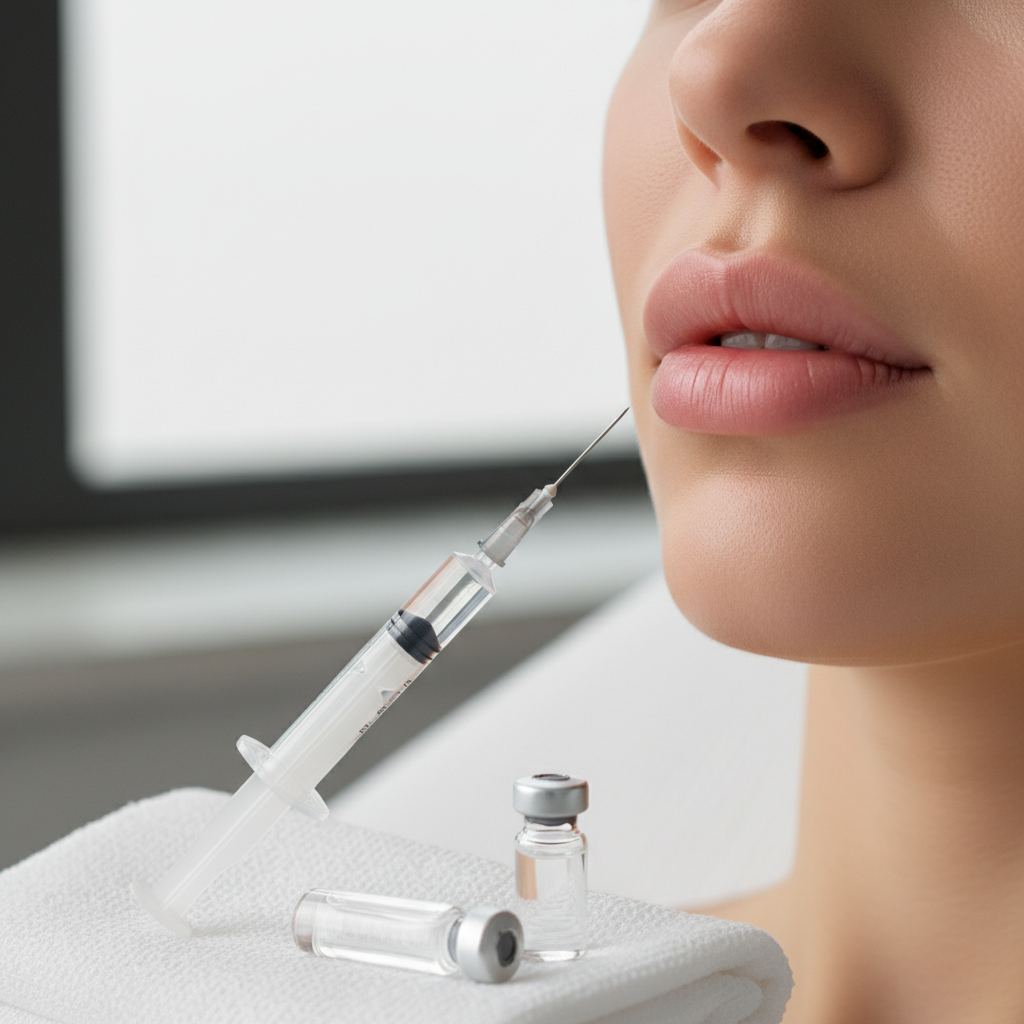
What Exactly Are Lip Fillers?
Lip fillers are a type of cosmetic procedure designed to add volume, shape, and structure to the lips. They fall under the category of dermal fillers, which are injectable gels used to restore volume and smooth out lines on the face. The primary goal of lip fillers is to enhance the lips' appearance, whether that means creating a fuller pout, defining the lip border (vermillion border), or correcting asymmetry.
The substance most commonly used in modern lip fillers is hyaluronic acid (HA), a sugar molecule that occurs naturally in the human body. Its main function is to attract and retain water, which makes it an excellent agent for hydrating and plumping tissue. Because the body already produces hyaluronic acid, the risk of an allergic reaction is extremely low, making it a safe and widely accepted option for cosmetic enhancements.
Common Types of Lip Fillers
While various substances can be used, hyaluronic acid fillers are by far the most popular and recommended option for lip augmentation. Different brands have created unique HA formulations with varying degrees of thickness, longevity, and flexibility to achieve specific results.
Juvéderm Family
Juvéderm is one of the leading names in the dermal filler market. Its products use a smooth gel consistency that provides natural-looking volume and hydration. The two most common Juvéderm products used for lips are Juvéderm Ultra XC, which is excellent for adding noticeable plumpness, and Juvéderm Volbella XC, which is a softer, thinner formulation ideal for subtle volume enhancement and smoothing fine vertical lip lines.
The "XC" in the name indicates that the product is formulated with lidocaine, a local anesthetic, to minimize discomfort during the injection process. The results from Juvéderm fillers are immediate, though initial swelling can slightly exaggerate the final outcome.
Restylane Family
Restylane is another major brand of hyaluronic acid fillers. Unlike Juvéderm's smooth gel, Restylane's formulation consists of more granular particles. This structure allows it to be more cohesive and provides more lift and support. For the lips, Restylane-L is a classic choice for adding volume and shape. More recently, Restylane Kysse was specifically developed and FDA-approved for the lips. It is designed to be more flexible, moving naturally with the lips when you talk or smile, while providing long-lasting volume.
Restylane Kysse is also noted for its ability to enhance lip texture and color while maintaining a full range of expression. Like Juvéderm, Restylane products intended for the lips typically contain lidocaine to improve patient comfort during the treatment.
Other Options
While HA fillers are the gold standard, other types exist, though they are used far less frequently for the lips today. In the past, collagen fillers were common, but they carried a higher risk of allergic reactions and provided shorter-lasting results. Fat transfer, or fat grafting, is a more surgical option where fat is harvested from another part of the patient's body and injected into the lips. This can offer permanent results but is a more invasive procedure with more downtime.
The Lip Filler Procedure: What to Expect Step-by-Step
Undergoing a lip filler procedure is typically a quick and straightforward process performed in a clinical setting. Understanding the steps involved can help alleviate any anxiety and set clear expectations.
1. The Consultation
The most critical step is the initial consultation. During this meeting, you will discuss your aesthetic goals with a qualified injector, such as a board-certified dermatologist, plastic surgeon, or registered nurse. You should discuss the shape and volume you desire, and the provider will assess your natural lip anatomy to determine the best type of filler and injection technique. This is also your opportunity to review their portfolio, ask about their experience, and discuss potential risks.
2. Preparation
Just before the procedure, the practitioner will cleanse the lip area thoroughly. A topical numbing cream is then applied and left to sit for about 15 to 30 minutes to desensitize the lips. This significantly reduces any potential pain from the needle. Once the lips are numb, the cream is wiped off, and the area is prepped for injection.
3. The Injection Process
The injector will then use a very fine needle or a cannula to strategically inject the filler into different parts of your lips. This may include the body of the lip for volume, the vermillion border for definition, and the Cupid's bow for shape. The provider will likely inject small amounts at a time and then gently massage the area to distribute the product evenly and mold it into the desired shape. The entire injection process usually takes only 15 to 30 minutes.
4. Post-Procedure
Immediately after the injections, you can expect some swelling, redness, and potential bruising. This is a normal inflammatory response. The provider may give you an ice pack to apply to the area to help minimize this. You will be able to see the results right away, but the final, settled look will become apparent after about one to two weeks once the swelling has fully subsided and the filler has integrated with your lip tissue.
The Evolution of Lip Augmentation
The desire for fuller, more defined lips is not a new phenomenon. The history of lip augmentation dates back to the early 20th century, with early attempts involving injecting substances like paraffin wax. Unfortunately, these early methods were often dangerous, leading to hard lumps (granulomas), inflammation, and disfigurement. The procedures were crude and lacked the scientific understanding of tissue response that we have today.
The field took a significant step forward with the introduction of bovine (cow-derived) collagen fillers in the 1980s. While safer than paraffin, collagen required allergy testing and offered results that lasted only a few months. The real revolution came with the development and FDA approval of hyaluronic acid fillers in the early 2000s. The introduction of products like Restylane and Juvéderm changed the game entirely. Because HA is biocompatible and reversible (it can be dissolved with an enzyme called hyaluronidase), it offered a much safer, more predictable, and customizable approach to lip enhancement that has since become the industry standard.
Answering Common Follow-Up Questions
After learning the basics, many people have more specific questions about the experience and long-term results of lip fillers. Here are answers to some of the most frequently asked questions.
How Long Do Lip Fillers Typically Last?
The longevity of lip fillers is not permanent and can vary significantly from person to person. The primary factors influencing how long they last are the type of filler used and an individual's metabolism. The lips are a very mobile area of the face, which can cause the filler to break down more quickly than in other areas like the cheeks.
On average, most hyaluronic acid lip fillers last between 6 and 12 months. Some of the newer, more advanced formulations like Restylane Kysse have been shown in clinical studies to last up to a full year. Individuals with a faster metabolism may find that their body metabolizes the filler more quickly, requiring touch-up appointments sooner. Over time, with consistent treatments, some people find their results may last longer.
What Does Lip Filler Aftercare Involve?
Proper aftercare is essential for achieving the best results and minimizing side effects like swelling and bruising. For the first 24 to 48 hours after your treatment, injectors typically recommend a few key guidelines. It's important to avoid strenuous exercise, as increased blood flow can worsen swelling. You should also avoid extreme heat, such as saunas, steam rooms, or very hot showers.
Consuming alcohol should be avoided for at least 24 hours, as it can thin the blood and increase the risk of bruising. It's also wise to drink plenty of water to help the hyaluronic acid integrate and stay hydrated. Gently applying a cold compress can help soothe the area and reduce swelling. Finally, avoid touching, puckering, or massaging the lips unless specifically instructed to by your provider.
Are There Potential Side Effects or Risks?
While lip fillers are considered a safe cosmetic procedure when performed by a qualified professional, there are potential side effects. The most common ones are temporary and mild, including swelling, bruising, redness, and tenderness at the injection sites. These typically resolve on their own within one to two weeks.
More serious but rare risks exist. These can include infection, allergic reaction, lumps or irregularities in the lips, and ulceration or scarring. The most severe complication is a vascular occlusion, which occurs if filler is inadvertently injected into a blood vessel, blocking blood flow. This is a medical emergency that requires immediate intervention to dissolve the filler and restore circulation. Choosing a highly experienced and anatomically knowledgeable injector is the most critical step in minimizing these risks. For more information on dermal filler safety, you can consult resources like the American Society of Plastic Surgeons or the U.S. Food and Drug Administration (FDA).
Conclusion
Lip fillers offer a popular and effective way to enhance the volume, shape, and definition of the lips. With modern hyaluronic acid-based products, the procedure is safer and more predictable than ever before, providing temporary but natural-looking results. Understanding the different types of fillers, what the procedure entails, and the importance of aftercare can help individuals make an informed decision. The key to a successful and safe outcome lies in setting realistic expectations and selecting a skilled, certified, and experienced provider to perform the treatment.