Your Essential Guide to Relocating to Maryland: Everything You Need to Know
Thinking about moving to Maryland? Discover essential insights for a smooth transition! This guide offers valuable information on what to expect when relocating to this vibrant state.
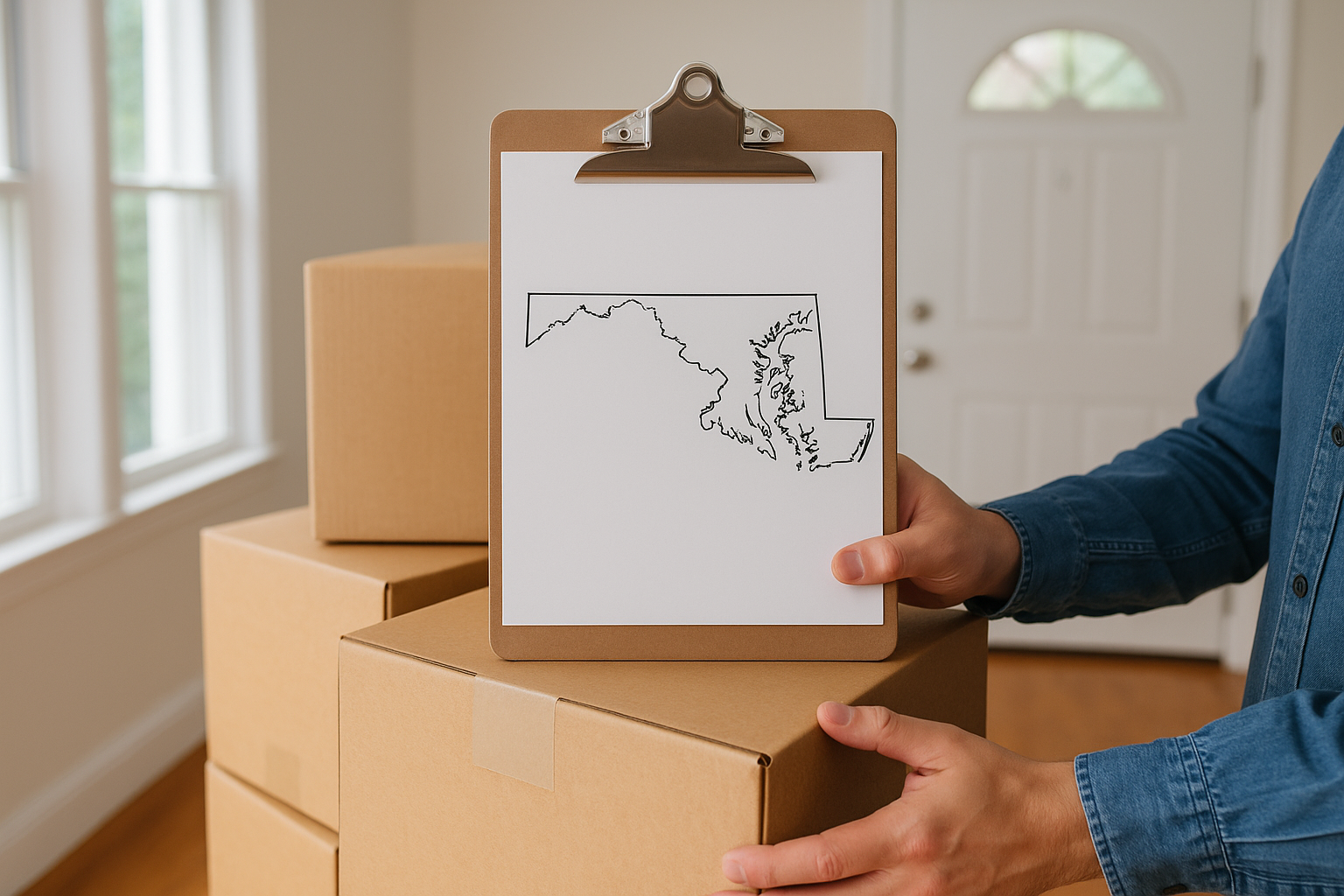
Navigating the Move: What You Need to Know About Moving to Maryland
Understanding Maryland's Geography
Known for its diverse landscapes—from the scenic Chesapeake Bay to the Appalachian foothills—Maryland offers a variety of living environments. It's crucial to understand this geographical diversity as it will influence your living experience.
There are regions like the Eastern Shore which provide a slower-paced lifestyle, and then areas like Montgomery County that are bustling and urban. Choosing the right setting is important based on your lifestyle preferences.
Cost of Living in Maryland
The cost of living in Maryland varies significantly by region. According to the latest 2026 data from BestPlaces, Maryland is relatively affordable compared to other northeastern states, but certain areas can be more expensive. For instance, the median home price in Maryland is $424,000, with Montgomery County being among the most expensive at an average of $525,000.
Everything from housing to groceries might be priced differently based on the county, so prospective residents should plan financially.
Maryland's Job Market
Maryland has a robust job market, especially for those in tech, healthcare, and government sectors. The proximity to Washington, D.C., creates additional opportunities, particularly in government and policy-related roles. As of 2026, Maryland's unemployment rate stands below the national average at 3.9% according to Bureau of Labor Statistics.
Notable employers include Johns Hopkins University, Under Armour, and Marriott International, providing diverse job opportunities.
Education: Schools and Universities
Maryland delivers robust educational options. The state boasts a highly-rated public school system and is home to several renowned universities. Montgomery County Public Schools, for instance, consistently ranks among the top public schools in the nation.
For higher education, institutions like the University of Maryland, College Park, and Johns Hopkins University provide top-tier education and research opportunities.
Healthcare Facilities
Maryland provides access to excellent healthcare with multiple hospitals and medical centers renowned nationally. Johns Hopkins Hospital in Baltimore is consistently ranked as one of the country's top hospitals by various publications.
Whether you need specialized healthcare or routine check-ups, Maryland offers comprehensive options across the state.
Cultural Highlights and Recreational Activities
Maryland is rich in cultural and recreational opportunities. From the historical streets of Annapolis to Baltimore's vibrant arts scene, there's something for everyone. The Maryland Symphony Orchestra, and numerous galleries like the Baltimore Museum of Art, underline the state's cultural offerings.
- Explore the outdoors with Maryland's state parks like Assateague Island, known for its wild horses.
- Experience local festivals such as the Maryland Renaissance Festival.
Transportation and Commuting
Maryland's transportation infrastructure supports various commuting options. The Maryland Transit Administration (MTA) operates extensive bus and train routes throughout the state. The MARC Train Service connects Baltimore to Washington, D.C., making it ideal for commuters.
For drivers, the I-95 corridor offers access to major cities but can become congested during peak hours. Utilizing Maryland's efficient public transit can alleviate some of the commuting stresses.
Weather and Climate
Maryland experiences a varied climate. Summers can be humid and warm, averaging in the mid to high 80s°F, while winters are typically cold with occasional snow, particularly in western areas. Understanding these seasonal patterns can aid in preparing for life in Maryland.
Community and Neighborhoods
Maryland prides itself on its tight-knit communities. Whether residing in the suburbs, like those around Baltimore, or smaller towns, Maryland's neighborhoods offer diverse ethnic and cultural compositions. Community events and neighborhood associations often foster a welcoming environment for newcomers.
- Suburban families might enjoy areas such as Columbia, characterized by family-friendly amenities.
- Young professionals may prefer downtown areas offering vibrant nightlife and dining options.
Taxes and Financial Considerations
Maryland's tax setup includes state income tax which varies by income bracket, with a max rate of 5.75% as of 2026. Property taxes in Maryland are below national averages, but this varies by county, so researching local tax implications is advisable.
Consulting with a local financial advisor can provide personalized guidance based on your unique situation.
Conclusion: Making Your Move to Maryland
Moving to Maryland offers a blend of opportunities and challenges. By understanding the state's nuances—from the job market to educational opportunities—you can make informed decisions that align with your living preferences and life goals.
It's recommended to visit and explore various communities, engage with local real estate experts, and use resources such as local chambers of commerce for the most comprehensive insights into Maryland living.