Your Guide to COPD Inhaler Patient Assistance Programs
Discover how COPD Inhaler Patient Assistance Programs can help make medications more affordable for those in need. These programs aim to provide support and access to essential treatments without placing undue financial burden.
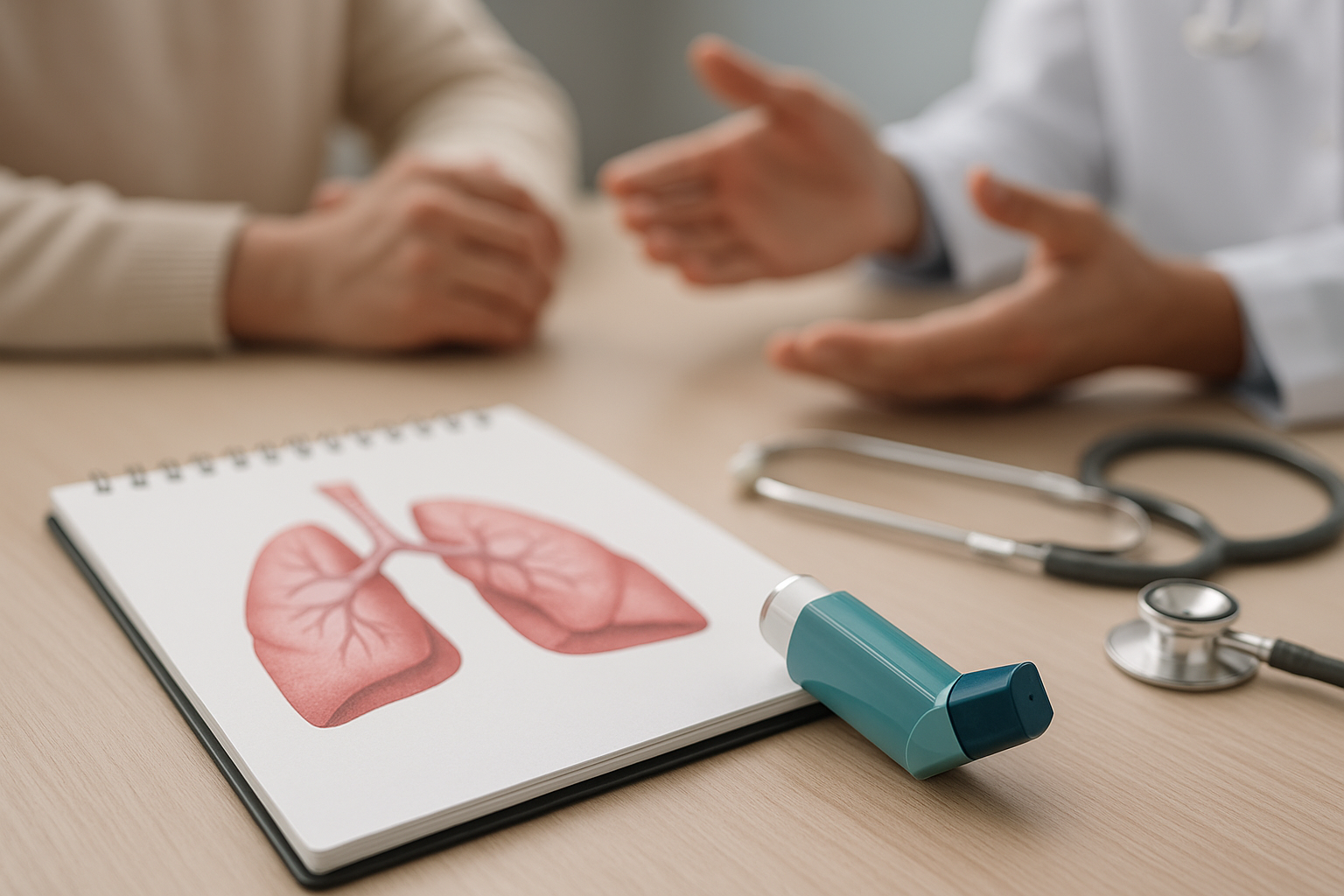
Understanding COPD and Its Impact on Patients
Chronic Obstructive Pulmonary Disease (COPD) is a progressive lung disease that affects millions of people worldwide. Characterized by persistent respiratory symptoms such as chronic cough and difficulty breathing, COPD significantly impacts the quality of life. In 2026, the Global Initiative for Chronic Obstructive Lung Disease (GOLD) reports that COPD remains a leading cause of morbidity and mortality globally.
The disease primarily results from long-term exposure to harmful substances like tobacco smoke, occupational dust, and air pollution. Patients often require consistent medical treatment, including the use of inhalers, to manage symptoms and improve their quality of life.
What Are COPD Inhaler Patient Assistance Programs?
COPD inhaler patient assistance programs are initiatives designed to help patients access necessary medications, particularly for those who may face financial barriers. These programs are typically sponsored by pharmaceutical companies, non-profit organizations, or government health services.
Objectives of Assistance Programs
- Financial Support: Provide inhalers at reduced or no cost.
- Education: Increase awareness about COPD management strategies.
- Access: Ensure availability of medications in underserved areas.
Eligibility Criteria for Assistance Programs
Eligibility criteria for these programs vary but generally include factors like income level, insurance status, and residency. While specifics can differ, the following are common requirements:
- Proof of Income: Many programs require documentation such as tax returns or pay stubs.
- Insurance Details: Information about existing health insurance coverage.
- Residency Status: Some programs are limited to residents of specific regions or countries.
To apply, patients typically need to fill out an application form, which can sometimes be completed online. It's essential to check the specific program's guidelines and ensure submission of all required documents.
Popular COPD Inhaler Patient Assistance Programs
Several programs have earned recognition for their impact on improving access to COPD medications:
Examples of Programs
- The GSK Patient Assistance Program: Offered by GlaxoSmithKline, it provides eligible patients with access to their COPD inhalers at no cost. Learn more.
- AstraZeneca Medicine Assistance Tool: Helps patients access their Symbicort inhalers through a facilitated application process. Explore details.
- Boehringer Ingelheim Cares Foundation: Offers assistance to patients for Spiriva inhalers. Read more.
How to Apply for COPD Inhaler Assistance
Steps to Take
Applying for assistance can seem daunting, but breaking it down into smaller steps can help ease the process:
- Research: Begin by identifying the programs available for your specific inhaler brand and location.
- Gather Documents: Compile all necessary documentation, including income proof and insurance details.
- Complete the Application: Most programs offer step-by-step instructions for completing their applications. Ensure all sections are filled accurately.
- Submit and Follow Up: After submission, it's crucial to follow up with the program to confirm receipt and processing status.
Benefits and Challenges
Why These Programs Matter
Patient assistance programs make a tangible difference in patients' lives by not only reducing financial strain but also ensuring continuous treatment adherence and improved health outcomes. For instance, a review in 2026 highlighted a 30% increase in adherence among patients enrolled in assistance programs compared to those who were not.
Common Challenges
While these programs are invaluable, they aren't without challenges. Patients may encounter complex eligibility criteria or long waiting periods. Additionally, some patients may lack awareness of such programs or how to access them.
Conclusion: A Lifeline for COPD Patients
COPD inhaler patient assistance programs are crucial for ensuring that treatments are accessible to those who need them most. By understanding the available options, eligibility criteria, and application processes, patients can better navigate their healthcare journey.
For those interested, it's recommended to speak with healthcare providers or local support groups for guidance and additional resources tailored to COPD management.