Your Guide to Obtaining a State Farm RV Insurance Quote Easily
Wondering how to effortlessly get a State Farm RV insurance quote? Discover the simple steps to request a personalized quote without hassle. Understanding how to navigate the process can save time and help you find the coverage that fits your needs.
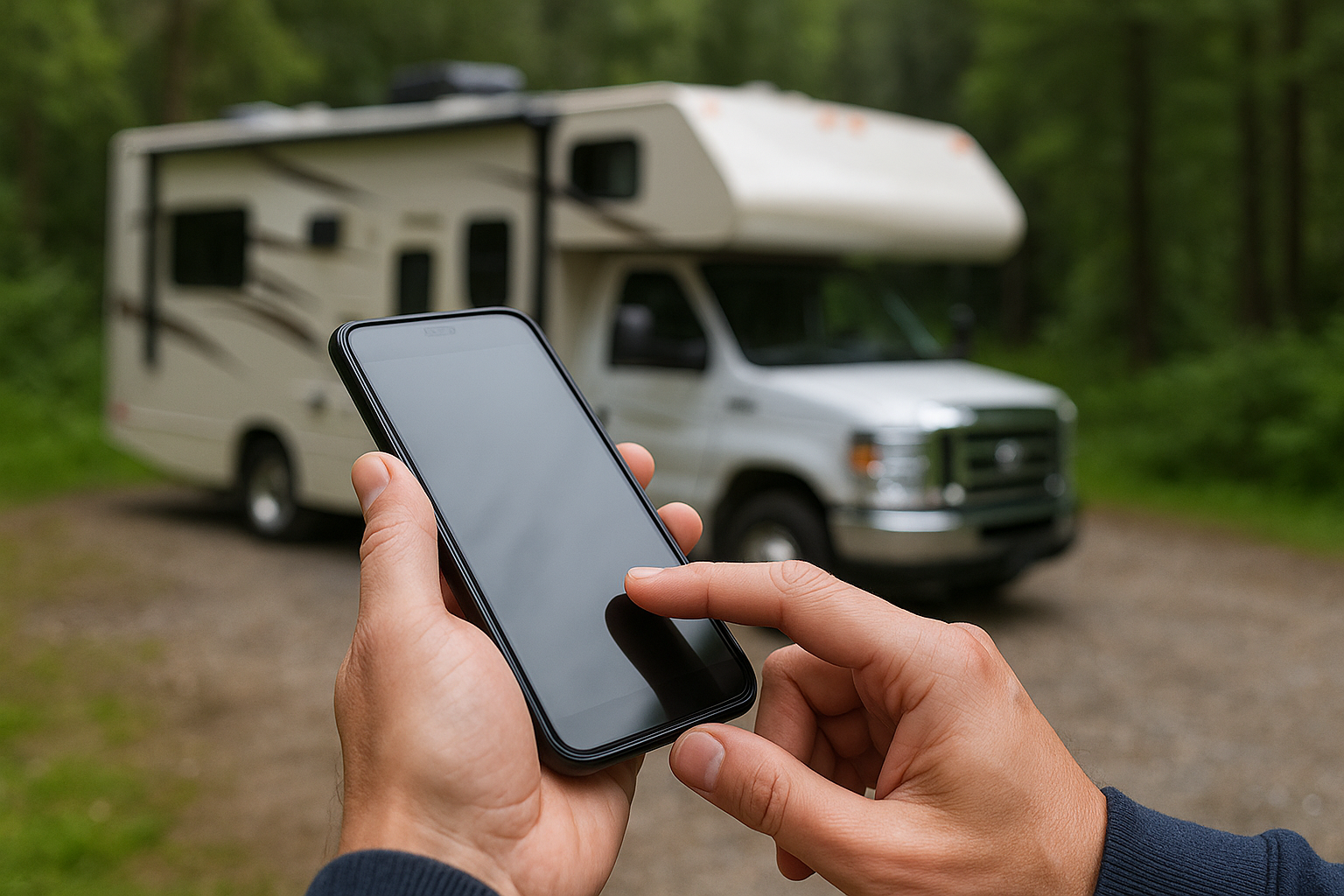
Understanding the Basics of RV Insurance
Recreational vehicles (RVs) represent freedom on wheels, offering a unique combination of travel and comfort. However, just like any other vehicle, it's crucial to have adequate insurance coverage. State Farm is one of the leading providers when it comes to insuring RVs, including motorhomes, travel trailers, and camper vans. In this article, we’ll explore how to obtain a State Farm RV insurance quote and address the key considerations you should have in mind.
What is State Farm RV Insurance?
State Farm offers RV insurance that provides coverage similar to auto insurance but tailored for the specific needs of recreational vehicles. This includes coverage options for bodily injury, property damage, personal belongings, and more. As RVs can serve as both a vehicle and a home, understanding the comprehensive coverage options available is essential for any RV owner.
Coverage Options Available
State Farm provides a range of RV insurance coverage options, which may include:
- Collision Coverage: Helps pay for damage to your RV in case of a collision, regardless of who is at fault.
- Comprehensive Coverage: Covers damages from events other than collisions, such as theft, natural disasters, or vandalism.
- Liability Coverage: Provides protection against claims for bodily injury and property damage caused by an accident involving your RV.
- Personal Injury Protection: Covers medical expenses for injuries sustained by you or your passengers in an accident.
- Uninsured/Underinsured Motorist Coverage: Offers protection if you're involved in an accident with a driver who lacks sufficient insurance.
Depending on your state and needs, you may choose additional coverage options to enhance your protection.
How Do I Get a State Farm RV Insurance Quote?
Obtaining a State Farm RV insurance quote can be a straightforward process if you know the steps. Below is a guide to help you through this journey:
1. Gather Your Information
Before requesting a quote, gather essential information, such as:
- Personal details (name, contact info, and address)
- Driver’s license number for all drivers
- Details about your RV (make, model, year, and VIN)
- Current mileage and condition of the RV
- Intended usage and storage location
Having this information handy will speed up the process and ensure accuracy.
2. Visit the State Farm Website or Contact an Agent
Once you have your information ready, you can either visit the State Farm website or contact a local State Farm agent. The website offers an easy-to-navigate quote tool that guides you through selecting and customizing your coverage options.
3. Customize Your Coverage
When getting a quote, you'll have the opportunity to tailor your coverage options based on your specific needs. Consider factors like your RV's size, how often you use it, and where you'll be traveling.
For example, if you plan long cross-country trips, you might want to prioritize roadside assistance and travel expenses coverage to protect against unexpected breakdowns.
4. Review and Compare Quotes
After customizing your coverage, you'll receive an estimated quote. Take the time to review the coverage details and ensure it meets your requirements. It's also a good idea to compare quotes from different insurers to ensure you’re getting a competitive rate.
Factors Influencing RV Insurance Premiums
Several variables can affect your State Farm RV insurance premiums. Understanding these can help you make informed decisions:
Driving Record and Experience
Your driving history plays a critical role in determining your premium. A clean record might reduce your insurance costs, while tickets or accidents could increase them.
Value and Type of RV
The make, model, and year of your RV influence your premium. More expensive and newer RVs usually lead to higher premiums due to the increased cost of repairs or replacement.
Usage and Storage
How often and where you use your RV can impact your rates. Regular cross-country travels might increase premiums compared to occasional short trips. Additionally, storing your RV in a secure location when not in use could help lower costs.
Maximizing Discounts and Reducing Costs
There are several ways to optimize your costs when getting RV insurance from State Farm:
Bundle with Other Policies
Many insurers, including State Farm, offer discounts when you bundle multiple policies, such as home and auto insurance. Consider discussing bundling options with your agent.
Good Driver Discount
If you maintain a claim-free driving history for an extended period, you might qualify for a good driver discount, potentially reducing your premiums.
Advanced Safety Features
Installing advanced safety features such as anti-theft devices or navigation systems might qualify you for discounts, as these reduce the risk of theft and enhance safety.
Current Trends in RV Insurance (2026)
The RV industry has seen renewed growth in 2026, with more people investing in recreational travel. According to the latest report by the RV Industry Association, RV shipments have increased by 12% compared to the previous year. This rise is attributed to technological advancements and the RV's appeal as a safe travel alternative during ongoing health concerns. See the full report here.
Amid these trends, insurance providers are adapting policies to reflect new technologies and consumer preferences, making it essential for RV owners to keep updated with the latest in policy options and coverage enhancements.
By keeping informed and understanding the various factors at play, you can ensure that you are adequately protected and prepared for your next adventure on the road.
https://www.statefarm.com/insurance/motorhomes
https://www.statefarm.com/insurance/travel-trailers
https://www.statefarm.com/insurance/quotes