Your Guide to the Best Reviewed Electric Toothbrushes
Navigating the world of electric toothbrushes can feel overwhelming, which is why we've done the heavy lifting for you. We put the most popular and highly-rated models to the test, comparing them on the features that truly matter.
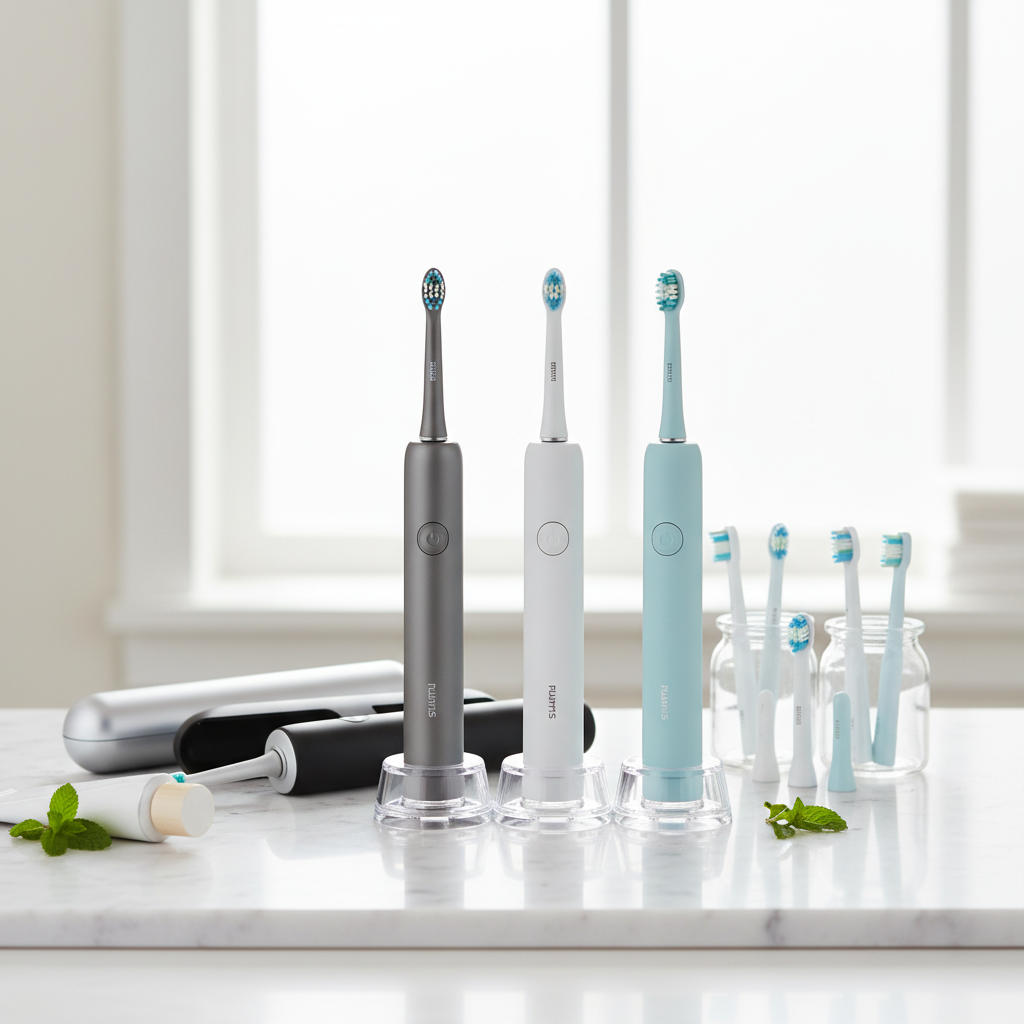
Exploring the Top Rated Electric Toothbrushes for Superior Oral Health
Choosing an electric toothbrush can feel overwhelming with the sheer number of options available. From sonic vibrations to oscillating heads and smart features, each model promises a superior clean. Understanding what makes certain toothbrushes top-rated involves looking at their technology, features, and overall effectiveness in promoting better oral hygiene. Below, we delve into some of the most highly regarded electric toothbrushes, breaking down what sets them apart.
Philips Sonicare DiamondClean Smart Series
The Philips Sonicare DiamondClean Smart series is frequently at the top of recommendation lists due to its powerful sonic technology and comprehensive smart features. This toothbrush operates by vibrating its brush head at tens of thousands of movements per minute, a method designed to drive fluid between teeth and along the gumline for a deep clean. This dynamic cleaning action is highly effective at removing plaque and surface stains, contributing to its reputation for improving gum health and whitening teeth over time. The brush feels powerful yet gentle, a balance that many users appreciate.
What truly distinguishes the DiamondClean Smart is its intelligent coaching system. The handle is equipped with smart sensors that track the location of the brush inside your mouth, monitor for excessive pressure, and even detect a scrubbing motion. This information is sent in real-time to the Sonicare app on your smartphone, providing a personalized 3D map of your mouth and highlighting areas you may have missed. The app guides you to achieve complete coverage and use the correct technique, essentially providing a dental professional's guidance every time you brush. It also features multiple cleaning modes (e.g., Clean, White+, Gum Health, DeepClean+) and automatically selects the optimal mode based on the smart brush head attached.
Oral-B iO Series
The Oral-B iO Series represents a significant technological leap for the brand, combining its signature oscillating-rotating motion with gentle micro-vibrations. This creates a unique cleaning action that is both thorough and surprisingly quiet. The round brush head, inspired by dental tools, is designed to cup each tooth individually, while the oscillating-rotating and vibrating movements work to dislodge plaque effectively. The result is a smooth, polished feeling that users often describe as a "professional clean" experience at home.
Like its competitors, the Oral-B iO is packed with smart technology. Its most notable feature is the smart pressure sensor, which provides visual feedback using a light ring on the handle. It shines green when you're applying the perfect amount of pressure, red for too much, and white for too little, helping to protect your gums from damage. The interactive display on the handle offers real-time feedback, greets you, and allows you to cycle through various cleaning modes without needing your phone. When paired with the Oral-B app, it offers 3D teeth tracking and AI-powered guidance to ensure you brush all zones of your mouth evenly and effectively.
Quip Electric Toothbrush
The Quip toothbrush takes a minimalist approach to oral care, focusing on the fundamentals of good brushing habits rather than advanced technology. It uses gentle sonic vibrations that are less intense than many other models, making it an excellent choice for individuals with sensitive teeth and gums. The core design philosophy behind Quip is to improve user technique. It features a built-in two-minute timer that pulses every 30 seconds, guiding you to spend the correct amount of time on each quadrant of your mouth. This simple yet effective feature helps users adhere to dentist-recommended brushing durations.
What makes Quip stand out is its subscription-based model and sleek, travel-friendly design. For a recurring fee, Quip automatically sends you a fresh brush head and a new battery every three months, ensuring you replace your brush head as recommended by dentists. This convenience removes the guesswork and forgetfulness often associated with oral care maintenance. The slim, lightweight handle comes with a multi-use cover that doubles as a stand or a travel case, making it incredibly portable. While it lacks the smart coaching and multiple modes of high-end models, its focus on core brushing principles has earned it the American Dental Association (ADA) Seal of Acceptance and a loyal following.
Hum by Colgate
Hum by Colgate is designed to make smart brushing more accessible and engaging. It combines the power of sonic vibrations with smart sensors to help users brush better. The main goal of the Hum is to guide you to target every spot in your mouth, providing a clear visual representation of your brushing coverage through its connected app. The app shows which areas you've cleaned and which you've missed, motivating you to improve with each session. This gamified approach to oral hygiene makes it particularly appealing to those who want to build better habits in a fun way.
One of Hum's key features is its ability to be used both online (connected to the app) and offline. When brushing offline, the toothbrush stores your data and syncs it with the app later, so you never lose track of your progress. The app also rewards users with points for consistent brushing, which can be redeemed for new brush heads or other products. This incentive system adds an extra layer of motivation. The Hum offers two main modes—normal and sensitive—and comes with a compact travel case, blending smart technology with practical, everyday usability at a more approachable price point than premium competitors.
The Evolution of Oral Hygiene: From Twigs to Smart Brushes
The journey of the toothbrush is a fascinating story of human innovation in personal hygiene. Long before modern bristles and handles, ancient civilizations used "chew sticks." These were small twigs, often from aromatic trees, that were frayed at one end to create a primitive brush and pointed at the other to serve as a toothpick. Civilizations from Babylonia to Egypt used these tools as early as 3500 BC to clean their teeth.
The first bristle toothbrush, resembling the modern tool, is believed to have been invented in China during the Tang Dynasty (619-907). It used coarse hairs from the back of a hog's neck attached to a handle made of bone or bamboo. This design was eventually brought to Europe, where it was adapted using softer horsehairs. However, it wasn't until 1938 that the first toothbrush with nylon bristles was introduced by DuPont. This was a major turning point, as nylon was more hygienic and durable than animal hair. The first successful electric toothbrush, the Broxodent, was developed in Switzerland in 1954. Initially created for individuals with limited motor skills, it soon gained mainstream popularity for its superior cleaning power. Today, toothbrushes have evolved into smart devices with AI, 3D tracking, and personalized coaching, transforming a simple daily routine into a data-driven health practice.
Key Considerations When Choosing an Electric Toothbrush
Beyond brand names and ratings, understanding the underlying technology and features can help you make a more informed decision. Here are some common questions users have when navigating the world of electric toothbrushes.
Sonic vs. Oscillating-Rotating: Which Technology is Better?
This is one of the most common debates in the electric toothbrush world. Sonic technology, used by brands like Philips Sonicare, involves vibrating the brush head at very high speeds (typically 30,000 to 60,000 movements per minute). This high frequency creates a dynamic fluid action that pushes toothpaste and water into hard-to-reach areas, like between teeth and below the gumline. Users often describe the sensation as a gentle yet vigorous hum. This method is considered particularly effective for gum health and for those with sensitive gums, as it doesn't rely on a scrubbing motion.
On the other hand, oscillating-rotating technology, pioneered by Oral-B, features a small, round brush head that rotates back and forth and pulsates in and out. This design is intended to mimic the polishing action used by dental professionals, cupping each tooth to scrub away plaque. Many independent studies have found this technology to be highly effective at plaque removal. Ultimately, there is no single "better" technology for everyone. Both have been clinically proven to be more effective at removing plaque than manual toothbrushes. The choice often comes down to personal preference regarding the sensation and brush head shape.
Are Smart Features in a Toothbrush Actually Useful?
Smart features like Bluetooth connectivity, 3D mouth mapping, and pressure sensors may seem like overkill, but they can be incredibly useful for improving brushing habits. The most practical and widely praised feature is the pressure sensor. Many people brush too hard, which can lead to gum recession and enamel wear over time. A pressure sensor provides immediate feedback—often through a light or a change in vibration—to alert you when you're applying excessive force, helping to protect your oral health.
App connectivity and position tracking take this guidance a step further. By showing you which areas of your mouth you've brushed and which you've missed, these features help eliminate blind spots and ensure a consistent, thorough clean every time. While you may not use the app for every single brushing session, using it periodically can help you identify and correct flaws in your technique. For those who struggle with consistency or want to take their oral hygiene to the next level, these smart features provide valuable, personalized coaching that was once only available from a dentist.
How Important is the ADA Seal of Acceptance?
The American Dental Association (ADA) Seal of Acceptance is a trusted symbol for consumers looking for safe and effective dental products. For a toothbrush to earn the seal, the manufacturer must submit scientific evidence demonstrating that the product meets ADA standards for safety and efficacy in removing plaque and reducing gingivitis. The ADA Council on Scientific Affairs independently reviews this data before awarding the seal.
While many excellent toothbrushes on the market do not have the seal (the application process is voluntary and rigorous), its presence provides an extra layer of assurance. It confirms that the product does what it claims to do safely and effectively. When you're choosing a toothbrush, especially if you're uncertain about a brand or model, looking for the ADA Seal of Acceptance can be a reliable indicator of quality and performance. It simplifies the decision-making process by confirming that the product has passed a thorough, unbiased scientific review.
Final Thoughts on Choosing the Right Electric Toothbrush
The top-rated electric toothbrushes today offer a wide range of technologies and features designed to enhance your daily oral care routine. From the powerful sonic cleaning of Philips Sonicare to the dentist-tool-inspired action of Oral-B and the habit-forming simplicity of Quip, there is a model suited to nearly every preference and need. The best toothbrush for you will ultimately depend on your specific oral health goals, budget, and personal preferences regarding features like smart coaching and brush head design. By understanding the core differences between these leading options, you can make a choice that supports a healthier smile for years to come.