Your Roadmap to Off-Shore Drilling Careers: A Comprehensive Guide for Beginners
Curious about entry level offshore drilling careers? Our comprehensive guide provides a balanced overview of what you can expect when starting in this exciting field.
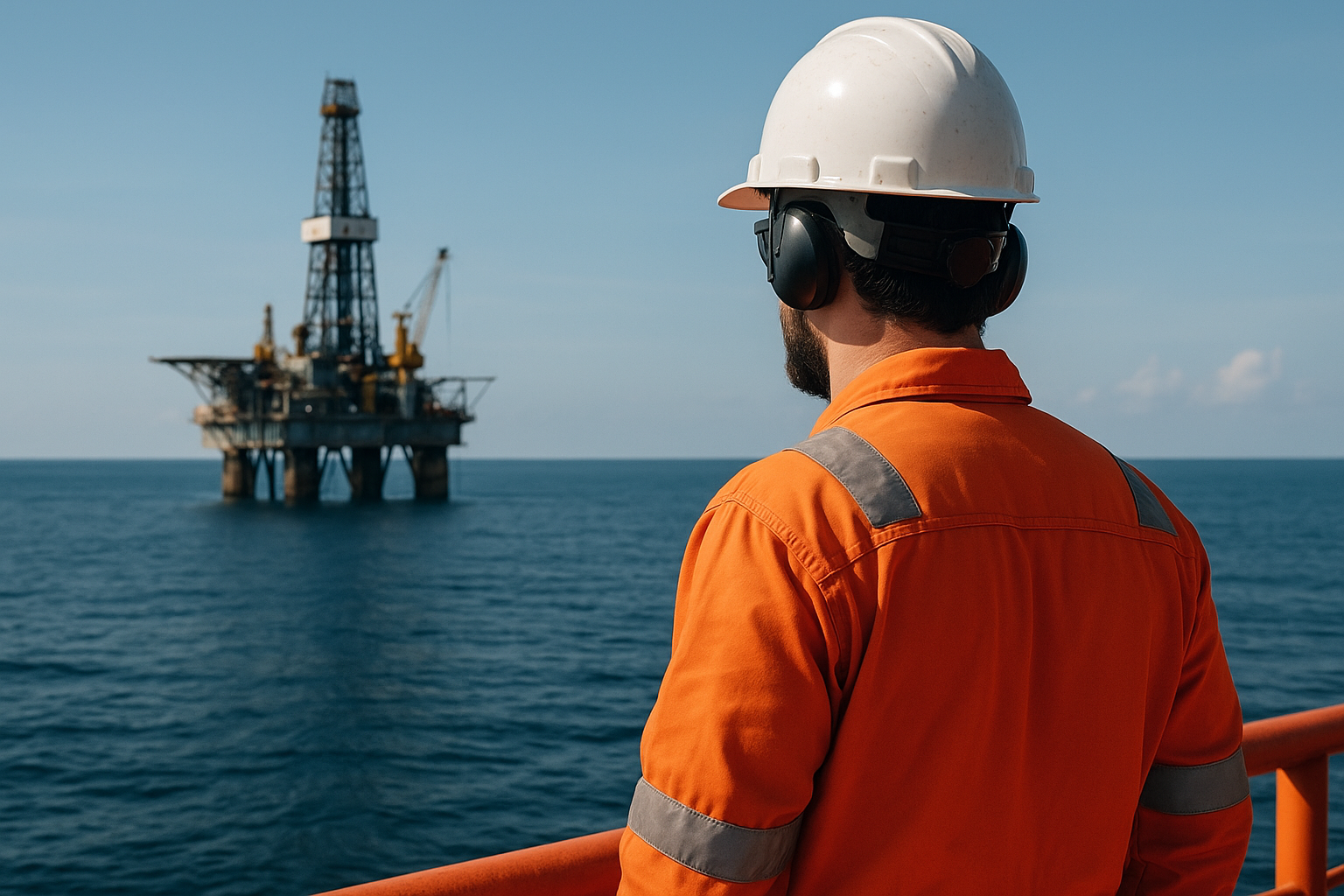
Understanding Entry Level Offshore Drilling Careers
Offshore drilling is an essential component of the global energy sector, involving the extraction of oil and natural gas from beneath the ocean floor. For many, a career in this industry represents an exciting opportunity with good pay and international travel. However, as with any job, it's important to understand both the benefits and challenges before embarking on this path.
What Are Entry Level Positions in Offshore Drilling?
Entry level positions in offshore drilling typically require little to no prior experience and offer a foot in the door for individuals eager to enter the energy sector. These roles can vary, but some of the most common positions include:
- Roustabout: Considered the starting point for many, roustabouts perform a variety of tasks to support the drilling operations and maintain the rig.
- Roughneck: Working directly on the drill floor, roughnecks handle drill pipe and other equipment. This role is a step up from roustabout and requires more physical labor and technical know-how.
- Welder’s Helper: Assisting experienced welders, this role involves working on metal components of the rigs and ensuring all equipment meets safety standards.
Essential Skills and Qualifications
While entry level offshore drilling roles do not require extensive experience, certain skills and qualifications will enhance your employability. Here are a few things employers typically look for:
- Physical Fitness: The job is physically demanding and often requires long hours under challenging conditions.
- Teamwork and Communication Skills: Effective collaboration with colleagues ensures both safety and efficiency on board.
- Basic Mechanical Skills: Understanding the mechanics of machinery can be highly beneficial, as you will often work with complex equipment.
- Certifications: Possessing certifications such as Basic Offshore Safety Induction and Emergency Training (BOSIET) can make a significant difference during the hiring process.
What to Expect Working Offshore
Working offshore presents a unique lifestyle with both upsides and downsides. It's a demanding environment, so here are a few aspects you should be prepared for:
- Rotational Schedules: Workers typically follow a rotational schedule, such as two weeks on and two weeks off. This rhythm demands flexibility but allows for substantial time at home.
- Living Conditions: Accommodation on modern rigs is practical and comfortable, providing essential amenities, although space can be limited.
- Safety Measures: Safety is paramount, with rigorous protocols and drills in place. Regular training aims to mitigate the risks inherent to drilling operations.
- Income and Benefits: Entry level positions offer competitive salaries with opportunities for overtime, alongside benefits like healthcare and retirement plans.
The Future of Offshore Drilling Careers
With an increasing focus on energy transition and sustainability in 2026, the offshore drilling sector faces challenges and opportunities. Here's what potential entrants to this field should consider:
- Technological Advancements: The industry is investing in automation and digital technologies, which may alter job roles but also provide new career paths for tech-savvy workers.
- Sustainability Efforts: Offshore platforms are adopting greener practices, with some companies looking into hybrid energy solutions to reduce carbon footprints.
For more insights into industry trends and the future of energy careers, resources such as Bureau of Labor Statistics and the Society of Petroleum Engineers provide up-to-date information.
Getting Started
If you're considering starting a career in offshore drilling, begin by researching companies actively hiring, ensuring your certifications and skills align with the roles you're interested in. Networking within industry events and forums can also open doors to potential opportunities. For further guidance on landing a role within this dynamic industry, check resources such as Rigzone or industry-specific forums to connect with professionals and learn more about this rewarding career path.