Your Ultimate Guide to Buying Authentic Gemstones in 2026
Navigating the world of gemstones to find authentic, high-quality pieces can be a challenge. That's why we're breaking down the best and most trustworthy places to buy in 2026, from certified online dealers and bustling marketplaces to specialized local jewelers.
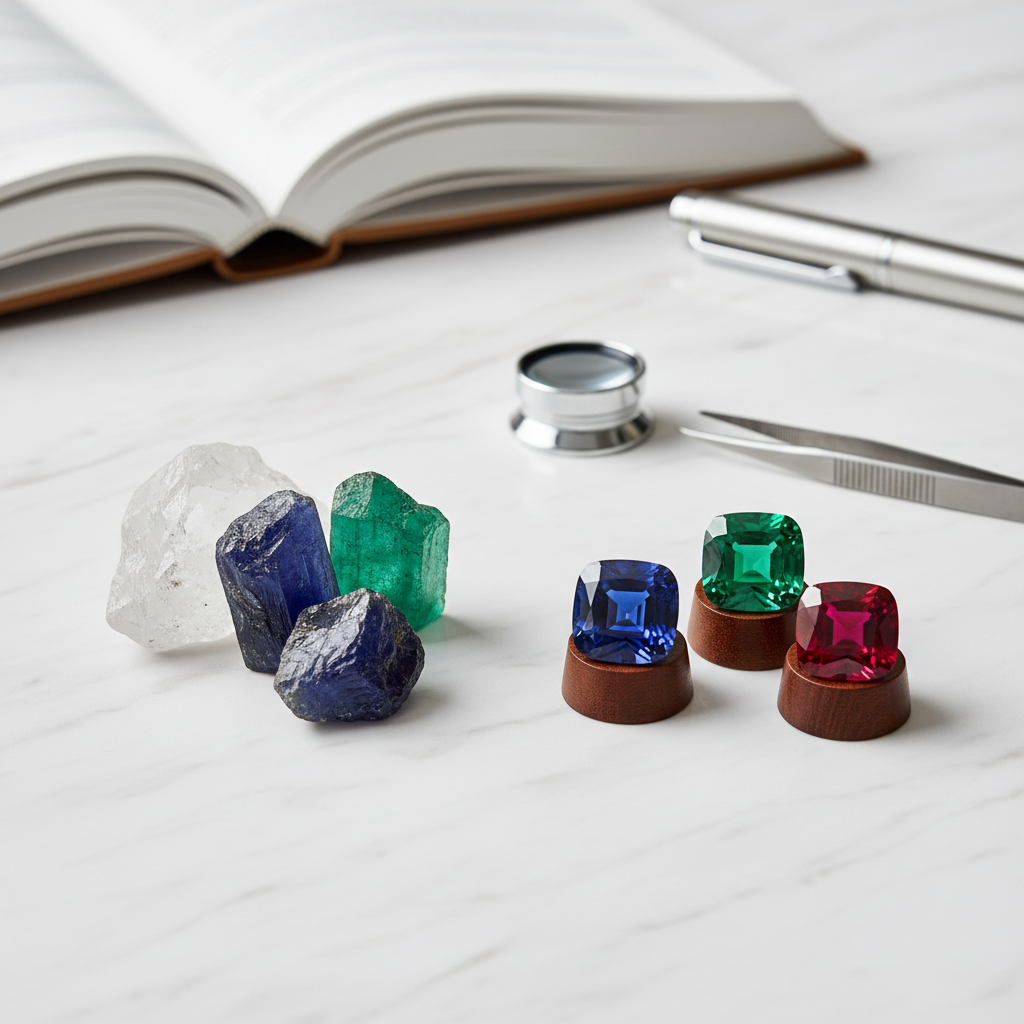
Where To Buy Real Gemstones In 2026?
Top Places to Purchase Authentic Gemstones
As we look toward 2026, the marketplace for real gemstones has evolved significantly, offering buyers more options than ever before. From the vast digital landscape to traditional brick-and-mortar stores, knowing where to look is the first step in acquiring a beautiful, authentic stone. The best choice often depends on your priorities, whether they be selection, price, personalized service, or ethical transparency.
1. Certified Online Gemstone Retailers
The digital marketplace has become a dominant force in the gem trade, offering unparalleled access to a global inventory. Reputable online retailers provide a vast selection of gemstones, from popular choices like sapphires and rubies to more obscure varieties, often at prices more competitive than traditional stores due to lower overhead. These platforms empower buyers with detailed information, including high-resolution photos, 360-degree videos, and comprehensive specifications for each stone. This level of detail allows for careful comparison and consideration from the comfort of your home.
The cornerstone of a trustworthy online purchase is certification. Leading online vendors build trust by providing grading reports from world-renowned gemological laboratories, such as the Gemological Institute of America (GIA) or the American Gem Society (AGS). These certificates are non-negotiable for significant purchases, as they provide an unbiased assessment of the gemstone's quality and characteristics. Furthermore, look for retailers with transparent return policies and excellent customer service, ensuring you have recourse if the stone does not meet your expectations upon arrival.
2. Independent Local Jewelers
For those who value a tactile experience and personalized guidance, the independent local jeweler remains an invaluable resource. The primary advantage of buying from a physical store is the ability to see, touch, and compare gemstones in person, under various lighting conditions. This firsthand inspection can reveal nuances in color and brilliance that are difficult to capture on a screen. A knowledgeable jeweler can act as your personal guide, explaining the intricacies of different gems and helping you find a stone that perfectly matches your preferences and budget.
Building a relationship with a local jeweler offers long-term benefits, including professional cleaning, maintenance, and future custom design projects. While prices might be slightly higher to account for the costs of a physical storefront and curated inventory, the value of expert advice and post-purchase service is significant. A trusted local expert can help you navigate the complexities of the market and provide confidence in your investment, ensuring you acquire a piece you will cherish for years.
3. International Gem and Mineral Shows
Gem and mineral shows, such as the famous Tucson Gem, Mineral & Fossil Showcase, are sprawling events that bring together dealers, miners, cutters, and buyers from around the globe. These shows offer an unparalleled opportunity to see an incredible diversity of gemstones in one place. You can find everything from raw, uncut minerals to perfectly faceted, investment-grade gems. The ability to speak directly with suppliers provides a unique chance to learn about a stone's origin and journey from the mine to the market.
While these shows present amazing opportunities, they are best navigated by those with some existing knowledge. The environment can be overwhelming for a novice, and the onus is on the buyer to assess quality and negotiate prices. It is a professional marketplace where deals can be found, but it requires a discerning eye. For serious enthusiasts and collectors, gem shows are an essential and exciting part of the industry, offering education and access to truly unique pieces that may not be available through conventional retail channels.
4. Reputable Auction Houses
For buyers seeking high-caliber, rare, or historically significant gemstones, major auction houses like Sotheby's and Christie's are the premier destination. These institutions handle the sale of the world's most exceptional jewels, often with impressive provenance. Purchasing at auction is a distinct experience, driven by competitive bidding for one-of-a-kind pieces. Auction houses provide detailed catalogs with expert descriptions, grading reports, and estimated values to inform potential bidders.
This avenue is typically reserved for those with a substantial budget who are looking for investment-quality gems or collector's items. The process is transparent and highly regulated, ensuring the authenticity and quality of the items being sold. Viewing periods before the auction allow potential buyers to inspect the pieces in person. While not a typical channel for the average consumer, auctions represent the pinnacle of the fine gemstone market.
5. Direct-from-Mine and Ethical Sourcing Platforms
A growing movement in the gemstone industry is the focus on traceability and ethical sourcing. In 2026, more platforms are connecting consumers directly with mines and cutting facilities that adhere to strict ethical and environmental standards. This "mine-to-market" model cuts out many of the traditional middlemen, which can sometimes result in better pricing. More importantly, it provides buyers with a clear, transparent history of their gemstone.
These platforms often use technology like blockchain to track a stone's journey, giving consumers confidence that their purchase has not contributed to conflict or environmental harm. This approach appeals to a new generation of buyers who prioritize sustainability and social responsibility. While it may require more research to find and vet these sources, the reward is a beautiful gemstone with a story you can be proud of.
The Evolution of the Gemstone Market
The way we buy and sell gemstones has been shaped by centuries of trade, exploration, and technological advancement. Historically, the gem trade was an exclusive network of miners, merchants, and royalty, with legendary trade routes like the Silk Road facilitating the movement of precious stones across continents. Local marketplaces and skilled artisans were the primary points of sale, and knowledge was passed down through generations.
The advent of the internet in the late 20th century began a profound transformation. Online platforms democratized the market, giving consumers around the world access to an inventory that was previously unimaginable. This shift brought greater price transparency and competition, but it also introduced new challenges related to verifying authenticity and quality from a distance. The industry responded by emphasizing the importance of independent, third-party certification to build consumer trust in the digital realm.
Today, as we look to 2026, the market continues to evolve. The modern consumer is not just interested in the beauty and quality of a gem but also in its story. There is a powerful and growing demand for ethically and sustainably sourced stones. This has spurred innovations in traceability, with technologies like blockchain providing verifiable proof of a gem's origin and journey. This focus on transparency is reshaping supply chains and empowering buyers to make choices that align with their personal values.
Key Considerations Before You Buy
Purchasing a real gemstone is a significant decision. Beyond finding a reputable seller, having a foundational understanding of what to look for will protect your investment and ensure your satisfaction. Here are some critical topics to explore before making a final choice.
How Do I Verify a Gemstone's Authenticity?
The single most important tool for verifying a gemstone's identity and quality is a gemological report from an independent and respected laboratory. The Gemological Institute of America (GIA) and the American Gem Society (AGS) are two of the most trusted names in the industry. A legitimate grading report will detail the gemstone’s key characteristics, including its dimensions, carat weight, color, clarity, and cut quality. Crucially, it will also identify the species of gem, its natural or synthetic origin, and any treatments it has undergone.
It's important to distinguish between a lab report and an appraisal. A lab report identifies and grades the stone, while an appraisal assigns it a monetary value for insurance or retail purposes. For any significant purchase, you should receive a lab report verifying the stone's identity. You can then take the stone and its report to an independent appraiser to confirm its market value. Never rely solely on an in-house appraisal from the seller; third-party verification is key.
What Are Common Gemstone Treatments and Why Do They Matter?
Many natural gemstones undergo treatments or enhancements to improve their appearance. This is a common and widely accepted practice in the jewelry industry. For example, sapphires and rubies are often heat-treated to intensify their color and improve clarity, while emeralds are commonly treated with oils to fill in surface-reaching fissures, making them appear clearer. These treatments make beautiful gemstones more accessible and affordable for a wider audience.
The critical factor is not whether a stone has been treated, but whether the treatment has been fully disclosed by the seller. Treatments can impact a gemstone's value, durability, and required care. For instance, an oiled emerald should not be cleaned in an ultrasonic cleaner. A reputable vendor will always be transparent about any enhancements a stone has received, allowing you to make an informed decision. Undisclosed treatments are a major red flag and a hallmark of a dishonest seller.
Understanding the Difference Between Natural, Lab-Grown, and Simulant Gemstones
The market now includes more than just natural, mined gemstones. It's essential to understand the different categories. A natural gemstone is one that formed in the earth over millions of years and was mined. A lab-grown gemstone (also called synthetic or created) has the exact same chemical, physical, and optical properties as its natural counterpart, but it was created in a controlled laboratory environment. Lab-grown diamonds, sapphires, and emeralds are visually identical to their natural equivalents.
A simulant, on the other hand, is a different material that simply imitates the appearance of a gemstone. For example, cubic zirconia and moissanite are common diamond simulants. They look similar but have completely different chemical compositions and properties. All three types of stones have a legitimate place in the market, from the rarity of a natural gem to the affordability of a simulant. The responsibility of the seller is to clearly and accurately represent what they are selling so the buyer understands exactly what they are purchasing.
Final Thoughts on Your Gemstone Purchase
Finding the right place to buy real gemstones in 2026 comes down to aligning the vendor with your personal priorities. Whether you prioritize the endless selection of online retailers, the hands-on service of a local jeweler, the unique finds at a gem show, or the ethical assurance of a direct-sourcing platform, there is an option that fits your needs.
Regardless of the path you choose, the foundational principles of a smart purchase remain the same. Educate yourself on the basics of gemstone quality, insist on independent certification for any significant stone, and seek out sellers who are transparent and reputable. By following these guidelines, you can navigate the market with confidence and find a beautiful gemstone that you will treasure for a lifetime.