10 Bedtime Habits to Save Energy and Reduce Your Electricity Bill
Looking to cut down on your electricity bill? Check out our Bedtime Checklist to reduce electricity usage effortlessly. Discover easy tips that may help lower your energy consumption every night. From unplugging devices to adjusting your thermostat, explore actionable insights for potential savings.
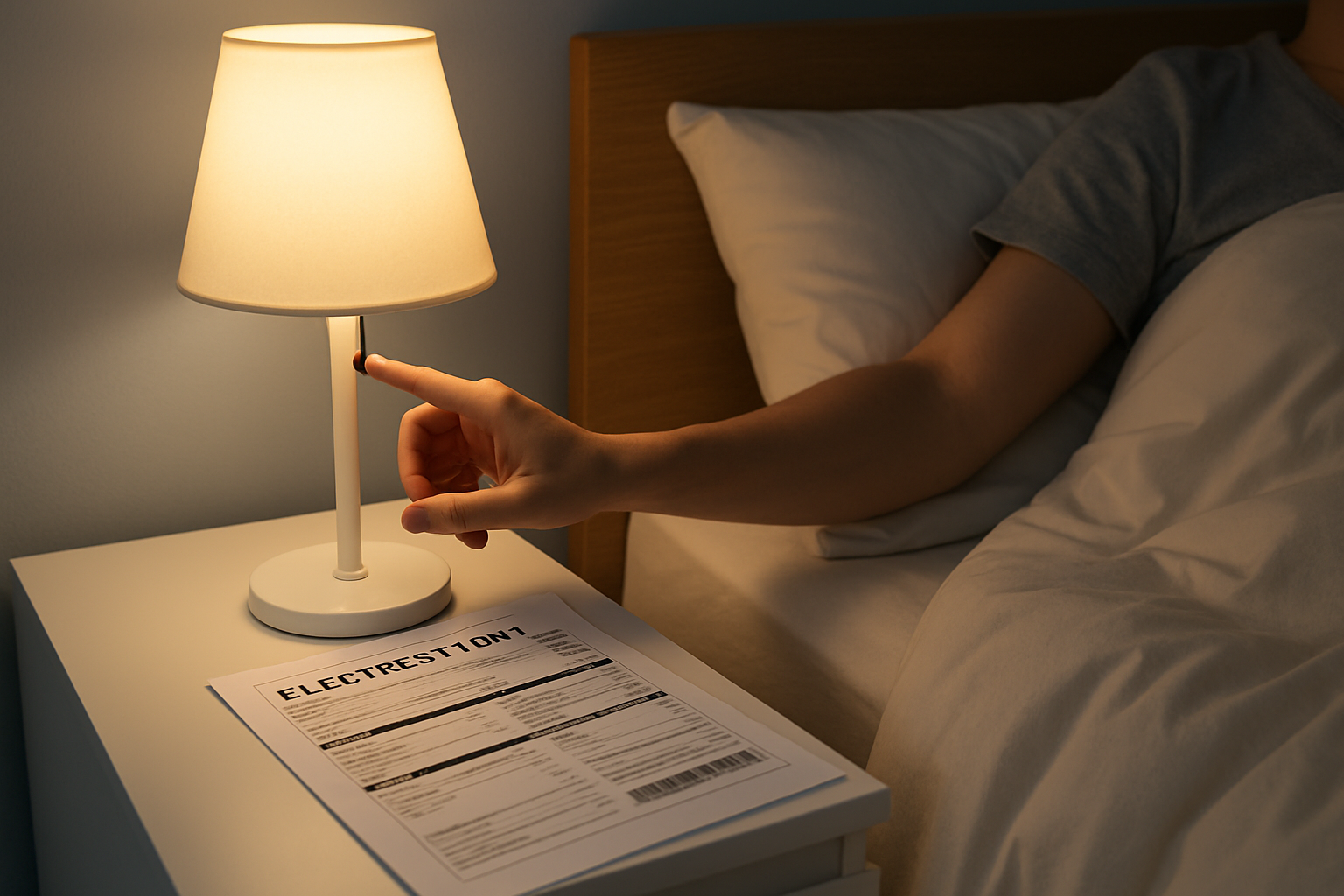
Understanding the Importance of Reducing Electricity Usage
Electricity consumption is a significant part of our daily lives and contributes extensively to household expenses. With growing environmental concerns, energy conservation has become a pressing issue. Implementing a bedtime checklist to reduce electricity usage can lead to substantial savings and contribute to a healthier planet.
According to the International Energy Agency (IEA), global electricity demand is projected to increase by 5% in 2026. This surge in consumption is driven largely by technological advancements and the increasing dependence on electronic devices. Hence, promoting energy-saving habits and ensuring that we use electricity wisely have never been more crucial.
What Is a Bedtime Checklist for Electricity Usage?
A bedtime checklist for electricity usage is a simple and structured list of steps that can be taken before going to sleep to ensure your household is consuming the least amount of energy necessary during the night. This involves turning off unnecessary lights, unplugging devices, and optimizing your home's settings to be energy-efficient overnight.
Key Elements of an Effective Bedtime Checklist
- Lighting: Ensure all unnecessary lights are switched off. Consider using smart lighting systems that can be scheduled or controlled remotely.
- Electronic Devices: Unplug devices that are not in use, such as chargers, TVs, and computers. These devices consume energy even when turned off if plugged in.
- Thermostat Settings: Adjust your thermostat according to the season. Lowering the temperature by a few degrees in winter and turning it up in summer can save a significant amount of energy.
- Appliance Settings: Ensure that appliances like washing machines or dishwashers are not running overnight unless necessary, as they contribute to high energy consumption.
The Benefits of Reducing Electricity Usage
Reducing electricity use not only minimizes utility bills but also has broader environmental and societal benefits. Here are some of the advantages:
Financial Savings
Implementing an energy-efficient nighttime routine can save you hundreds of dollars annually. According to Energy Star, homes that adopt smart technologies and energy-saving practices can reduce their energy bills by up to 30%.
Environmental Impact
Less electricity usage reduces the demand for power plants that often burn fossil fuels, thereby decreasing carbon dioxide emissions. According to the Environmental Protection Agency (EPA), reducing energy consumption can significantly aid in combating climate change by decreasing greenhouse gas emissions.
Increased Appliance Lifespan
Turning off and unplugging appliances when not in use decreases wear and tear, leading to a prolonged lifespan of your electronics and appliances.
Enhanced Sleep Quality
Reduced electronic use at night, particularly the removal of blue light-emitting devices, can contribute to better sleep quality, enhancing overall health and well-being.
How to Implement Your Bedtime Checklist
Setting up a bedtime checklist can initially seem cumbersome, but with consistency, it becomes a routine that is easy and rewarding. Here's how to get started:
Create a Customized Checklist
Every household's needs are different, and so your checklist should cater to your specific settings and devices. Start by listing all the appliances and systems that you use daily, and note which ones consume significant energy overnight.
Utilize Smart Technology
Smart home devices can automate your energy-saving checklist. Compatible smart plugs, lights, and thermostats can be controlled via your smartphone, allowing for effortless regulation.
For example, a 2026 study from Consumer Reports highlighted that households using smart thermostats experienced a 10-15% reduction in heating and cooling expenses.
Encourage Family Participation
Involve your family members in this routine to instill energy-saving habits in everyone. Explain the importance of each step in your checklist and how it contributes to energy savings and environmental protection. Sharing this goal strengthens the commitment and enhances savings.
Conclusion
Actively managing your electricity usage with a bedtime checklist provides direct financial benefits and supports broader environmental goals. By methodically shutting down and unplugging devices, adjusting lighting and temperature settings, and employing smart technologies, you contribute to a more sustainable and economically sound household.
Taking small, deliberate actions every night can compound into significant outcomes, benefiting both you and the planet. Start implementing these practices tonight, and witness the savings and environmental benefits unfold.