10 Everyday Habits Electricians Say Might Be Inflating Your Power Bill
Curious if your daily habits might be costing you extra on your electricity bill? Discover insights from electricians as they highlight common routines that could be subtly spiking your expenses.
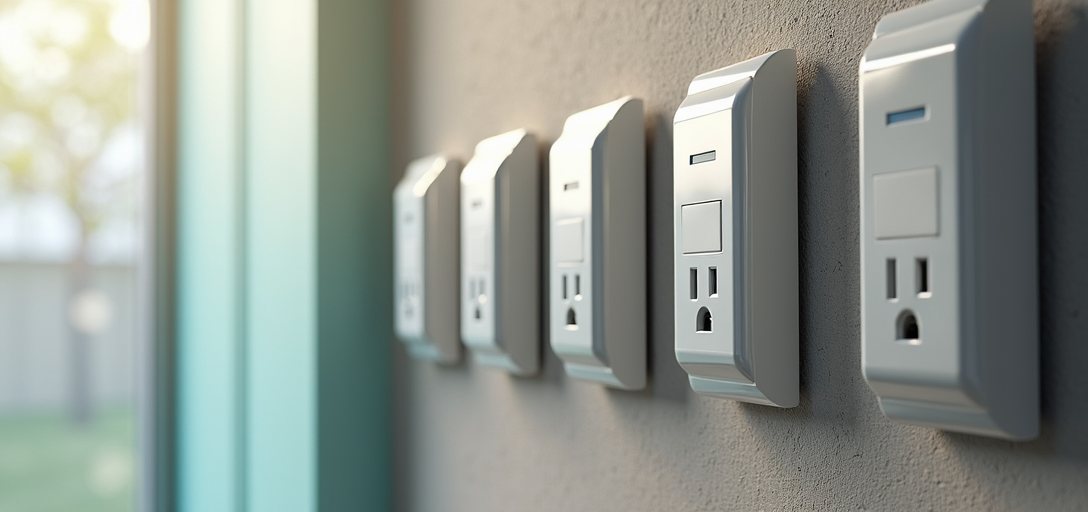
Understanding the Use of Electricity in Your Home
Electricity is an essential part of our lives, powering everything from our lighting to our smartphones. However, many homeowners unknowingly practice habits that increase their power bills. Understanding these everyday habits and how they impact your electricity usage can lead to significant savings on your monthly bill.
Why Do Our Everyday Habits Matter?
In the United States, the average household consumes approximately 10,715 kilowatt-hours (kWh) of electricity annually, according to the U.S. Energy Information Administration. Understanding and changing your daily habits can contribute to reducing this consumption, saving money and energy.
The Real Cost of Idle Electronics
Many devices consume power even when they are turned off or in standby mode. This phenomenon, known as "phantom load," can account for up to 10% of a household's annual electricity use. Devices like televisions, gaming consoles, and chargers that remain plugged in continuously can slowly inflate your electricity bill.
- Solution: Use smart power strips to cut off power to devices that are not being used. Alternatively, unplug electronics that are not in use.
Common Habits That Increase Your Power Bill
Long Showers with Electric Water Heaters
The U.S. Department of Energy reports that water heating accounts for about 18% of the energy consumed in the average home. Long showers can lead to higher energy usage, especially if you are using an electric water heater.
- Solution: Reduce shower times and consider investing in a water-saving shower head that reduces hot water consumption.
Ignoring HVAC Maintenance
Your Heating, Ventilation, and Air Conditioning (HVAC) system plays a significant role in your home's energy consumption. Regular maintenance of your HVAC system ensures it runs efficiently, keeping energy costs down. Neglecting routine maintenance can lead to clogged filters and inefficient operations, which waste energy.
- Solution: Change air filters regularly and schedule annual HVAC check-ups to ensure everything is working efficiently.
Overlooking Insulation and Weatherproofing
Inadequate insulation and poor weatherproofing can lead to heat loss in the winter and cool air loss in the summer, causing your HVAC system to work harder and use more energy. According to Energy Star, sealing leaks could save homeowners 10% to 20% on their heating and cooling bills annually.
- Solution: Check for drafts around windows and doors, and consider adding insulation to attics, walls, and basements.
Excessive Use of Older Appliances
Older appliances are generally less energy-efficient than newer models. Refrigerators, washers, dryers, and dishwashers made before energy efficiency standards were implemented use significantly more electricity than their modern counterparts.
- Solution: Consider replacing old appliances with Energy Star-rated models, which are designed to be more efficient and can lead to financial savings over time.
Proactive Steps to Manage Your Electricity Usage
Embrace LED Lighting
Lighting accounts for approximately 15% of the average home's electricity bill. Switching from incandescent bulbs to LED lighting can reduce electricity consumption for lighting by 75-80%.
- Solution: Replace your regular light bulbs with LED bulbs, which last longer and use significantly less energy.
Optimize Thermostat Settings
Smart thermostats can be an excellent investment. They allow you to set heating and cooling schedules and adjust temperatures based on your preferences, even when you are not at home. Using a programmable thermostat can save up to 10% on heating and cooling costs.
- Solution: Install a smart thermostat and program it to decrease heating when you're asleep or away.
Use Energy Monitoring Tools
Understanding your energy use is key to reducing it. Energy monitoring tools provide real-time feedback on your home’s electricity usage, helping you identify and modify habits that lead to excessive power consumption.
- Solution: Consider installing an energy monitor to make informed decisions about your electricity usage habits.
Incorporate Renewable Energy Solutions
For those looking to make a significant reduction in their energy footprint, incorporating renewable energy sources like solar panels is an effective solution. With federal tax incentives encouraging the installation of renewable energy systems in homes, now is an excellent time to consider such investments.
- Solution: Investigate options for solar power integration and assess the initial investment against long-term energy savings.
Conclusion: Saving Power and Money
By recognizing and altering everyday habits, homeowners can effectively reduce their electricity bills and contribute to a more sustainable future. Whether by adopting new technologies or practicing more mindful energy habits, everyone can make changes that benefit both their wallets and the planet.
For more detailed information and energy-saving tips, consider resources from the U.S. Department of Energy and Energy Star.