10 Smart Home Habits for a Restful Night and a Joyful Morning
Transform your evenings with efficient smart home habits that enhance your nighttime routine. Before going to bed, discover how simple adjustments to your smart devices can improve sleep quality and energy usage.
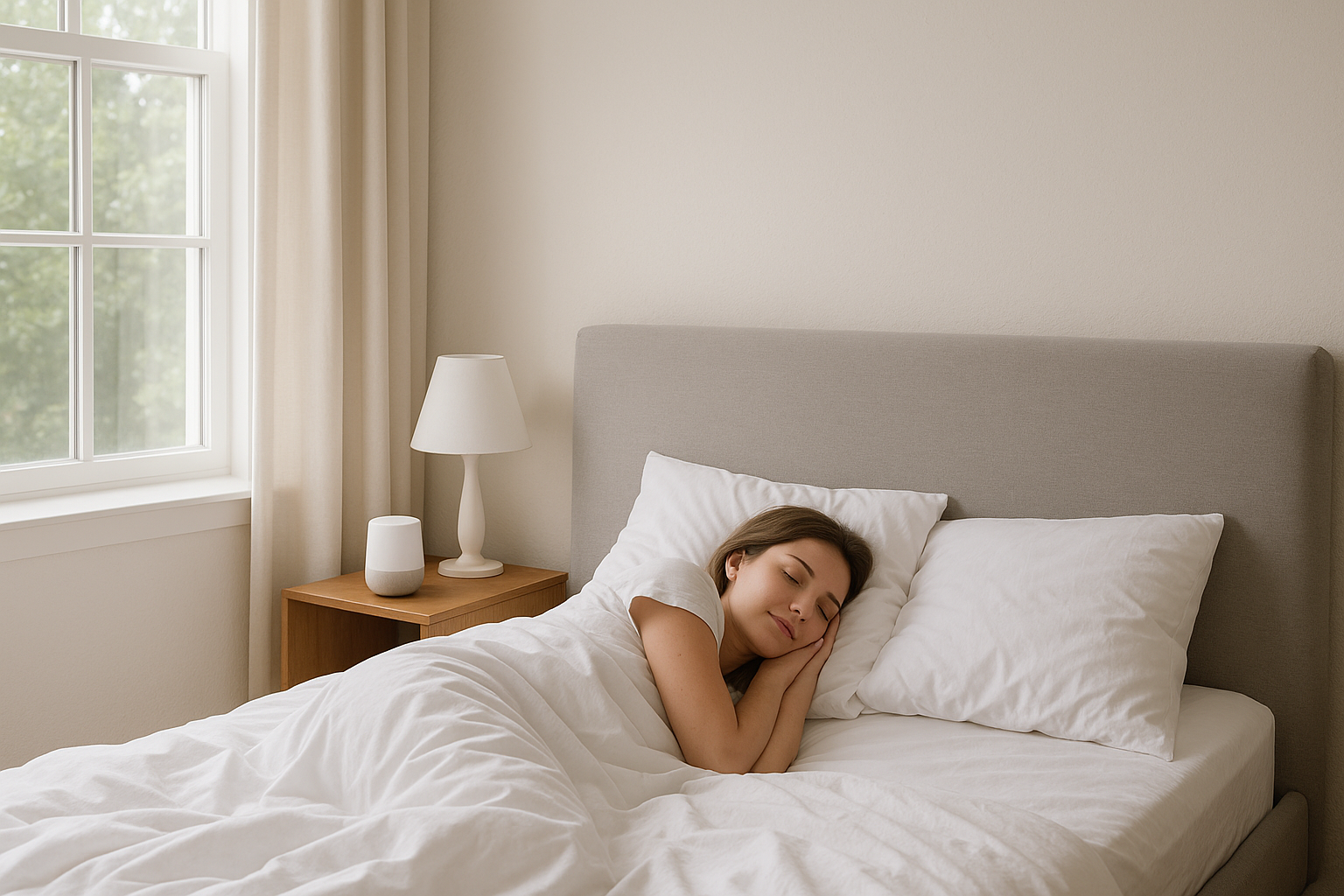
Understanding Smart Home Technology
Smart home technology has rapidly evolved, becoming an integral part of our daily lives. These gadgets offer convenience, security, and energy efficiency, transforming how we interact with our living spaces. One of the critical times to leverage this technology is before going to bed, ensuring a restful night and a seamless morning ahead.
Smart homes are equipped with various devices such as smart thermostats, lighting systems, security cameras, and home assistants. Each of these devices can be programmed to perform specific tasks that contribute to a more comfortable and secure environment.
Key Smart Home Habits for a Restful Night
Optimize Your Bedroom Lighting
Maintaining the right lighting is crucial to a good night's sleep. Smart lighting systems allow you to adjust the brightness and color temperature, promoting relaxation.
- Dim the Lights: Schedule your smart lights to dim gradually as bedtime approaches. This mimics the natural setting of the sun, signaling to your body that it's time to wind down.
- Use Warm Light: Switch your lighting to a warmer hue an hour before bed. Studies have shown that blue lights from screens can interfere with sleep by hindering melatonin production. [HealthLink BC]
Set the Ideal Room Temperature
Smart thermostats can create a comfortable sleeping environment by controlling the bedroom temperature. According to the National Sleep Foundation, the suggested bedroom temperature should be between 60-67 degrees Fahrenheit (15-19 degrees Celsius). [Sleep Foundation]
Program your smart thermostat to lower the temperature shortly before you go to sleep and gradually warm up before you wake. This not only enhances sleep quality but also saves energy.
Secure Your Home
Smart security systems offer peace of mind, allowing you to rest easy knowing your home is protected.
- Activate Alarms and Cameras: Ensure that all security alarms and cameras are armed before you sleep. Many systems can send alerts to your phone if any unusual activity occurs.
- Lock All Doors Automatically: Smart locks can be set to automatically engage after a certain time, adding an extra layer of security.
Limit Distractions with Smart Devices
Minimize disruptions and ensure a peaceful night by managing notifications from smart devices.
- Schedule 'Do Not Disturb': Most smart assistants allow you to set quiet hours where notifications are minimized, helping to ensure that late-night calls or alerts don’t disturb your slumber.
- Configure Sleep Routines: Use your smart assistant to configure a routine that includes calming music or sounds and gradually reducing space noise.
Why Practicing Smart Home Habits Matters
Adopting smart home habits before bed has numerous benefits beyond improving sleep quality. These habits contribute to a healthier, more efficient, and secure living environment.
Energy Efficiency
By automating lighting and climate control, smart home technology ensures that energy is not wasted. It adjusts usage based on actual need, significantly cutting down on unnecessary energy consumption and reducing your carbon footprint.
Improved Mental Health
A solid night's sleep is directly linked to mental health benefits, including reduced stress and better cognitive function. The right smart settings can help you achieve this naturally and continuously.
Convenience and Automation
Smart technology simplifies daily tasks through automation, allowing you to focus more on relaxing and less on managing devices. This makes it easier to maintain consistent pre-sleep routines.
Getting Started with Smart Home Devices
For those new to smart home technology, begin small. Start with devices that offer immediate benefits and build from there.
- Smart Bulbs and Plugs: These are cost-effective entry points, allowing you to automate lighting and control appliances remotely.
- Smart Speakers: Devices like Amazon Echo or Google Home can integrate various devices and are central to managing home automation.
Conclusion
The integration of smart home habits into your nightly routine can vastly improve your quality of life. By using devices to optimize lighting, temperature, security, and reduce distractions, you're not just investing in a better night's sleep but also a more secure and efficient lifestyle.
Implement these habits gradually, embrace the convenience, and enjoy a smarter, more restful night.