3 Simple Strategies for Easy Summer Landscaping
Transform your lawn with ease! Discover 3 insightful tips to make landscaping loweffort this summer, perfect for creating a stunning yard with minimal work. From choosing the right plants to smart watering techniques, these strategies will help you enjoy your outdoor space without the hassle.
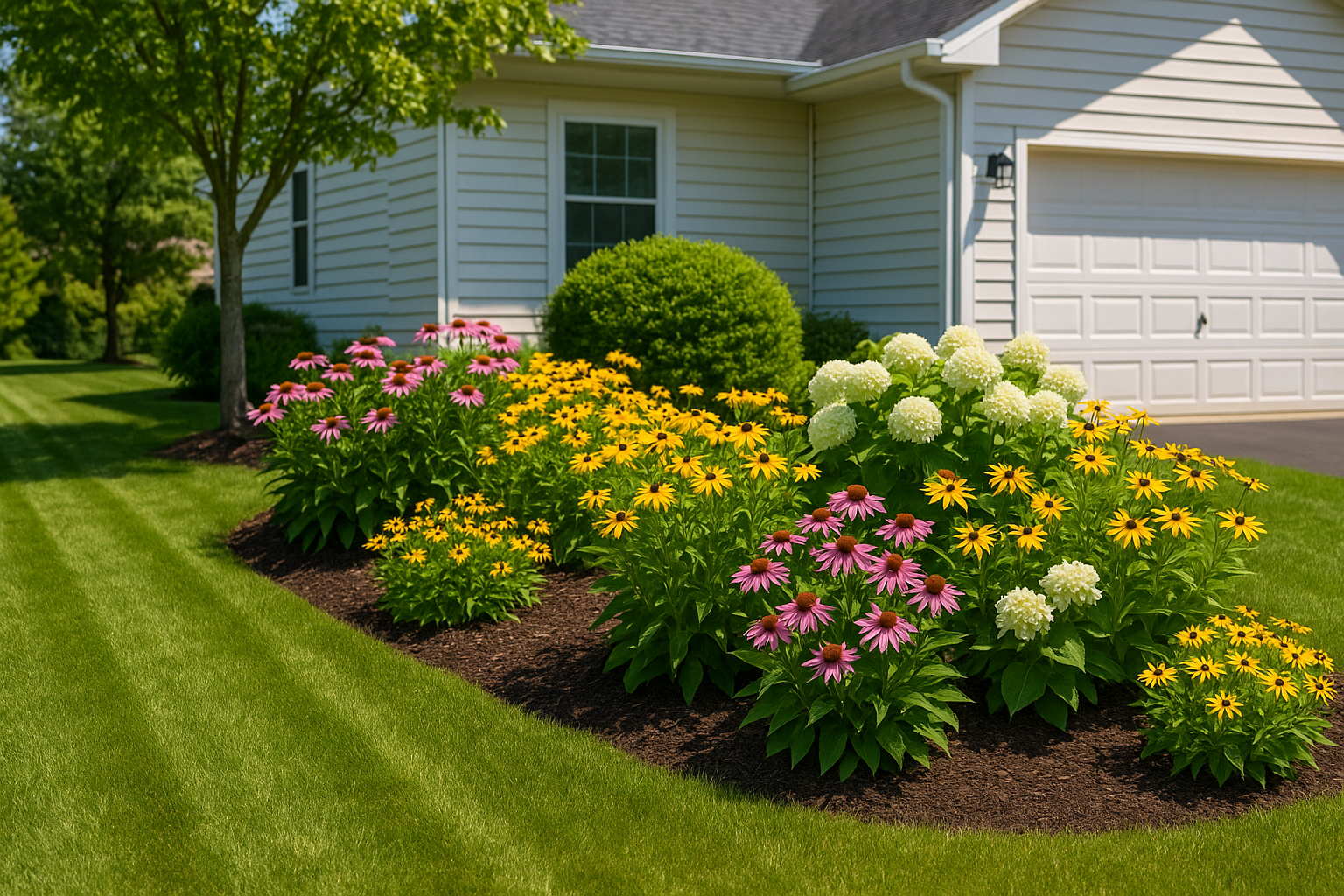
Understanding Low-Effort Landscaping
Landscaping doesn't have to be a tedious or overwhelming task, especially during the summer months when everyone is eager to relax and enjoy their outdoor spaces. The key is to adopt strategies that reduce effort while still achieving an aesthetically pleasing and functional landscape. In this article, we'll explore three practical tips to make your summer landscaping low-effort.
- Embrace native and drought-tolerant plants
- Focus on sustainable landscaping practices
- Implement smart watering solutions
Tip 1: Embrace Native and Drought-Tolerant Plants
One of the most effective strategies for low-effort landscaping is to incorporate native and drought-tolerant plants into your garden. Native plants are naturally adapted to your local climate and soil conditions, which means they require less water, fertilizer, and general maintenance.
This year, a study published by Science Daily highlights that native plants not only save water but also support local ecosystems by providing habitats for pollinators. Consider plants like lavender, sage, or ornamental grasses; they are known for their hardiness and minimal care requirements.
By reducing your reliance on high-maintenance and water-intensive plants, you create a more sustainable and easier-to-manage garden.
Tip 2: Focus on Sustainable Landscaping Practices
Sustainability is at the heart of low-effort landscaping. Practices that preserve resources and reduce human effort are crucial. Key sustainable landscaping techniques include:
- Mulching: Applying mulch around your plants helps retain moisture, suppress weeds, and improve soil health. Mulch breaks down, adding organic matter to the soil, which reduces the need for chemical fertilizers.
- Composting: Composting kitchen scraps and garden waste creates nutrient-rich soil amendments, promoting plant health without artificial inputs.
- Xeriscaping: Designing landscapes to reduce or eliminate the need for irrigation can save water and labor. Xeriscaping utilizes strategic plant placement and soil grading to maximize natural precipitation.
According to a 2026 report by the Environmental Protection Agency (EPA), these practices can decrease outdoor water use by 30%, contributing to significant savings in both water and maintenance costs.
Tip 3: Implement Smart Watering Solutions
Watering efficiently is another fundamental aspect of low-effort landscaping. Traditional watering systems often waste water and can lead to overwatering, which is both wasteful and harmful to plants.
Modern smart watering systems make it easier to optimize water use. For instance, installing a drip irrigation system can target the root zones of plants directly, reducing waste. Smart controllers, which adjust watering schedules based on weather conditions, soil moisture, and plant needs, further simplify garden care.
A recent analysis from the Energy Star program confirms that smart irrigation systems can save households over 7,600 gallons of water annually, making them a wise investment for eco-friendly homeowners.
Additionally, rainwater harvesting is gaining popularity as a sustainable watering solution. Collecting rainwater reduces dependence on municipal or well water, ensuring plants receive naturally soft, chemical-free water.
Creating Your Low-Effort Landscape
When embarking on your low-effort landscaping journey, start small and gradually incorporate these tips into your existing garden. Evaluate the specific needs of your space and adapt these strategies to fit your local conditions. This year, as landscaping styles continue to evolve, a focus on simplicity and sustainability remains paramount.
Your landscaping efforts will be rewarded with more time to enjoy your garden, a reduced environmental footprint, and potentially lower utility bills. As these strategies gain traction, they also help in the broader effort of conserving resources and promoting ecological health.
By embracing native plants, sustainable practices, and smart water-saving techniques, your summer landscaping could become a source of pleasure rather than a chore.