5 Common Gardening Mistakes That Could Cost You Big
Discover insightful advice on preventing costly gardening mistakes you should avoid this season. Learn how to enhance your garden while sidestepping common pitfalls that may lead to unnecessary expenses.
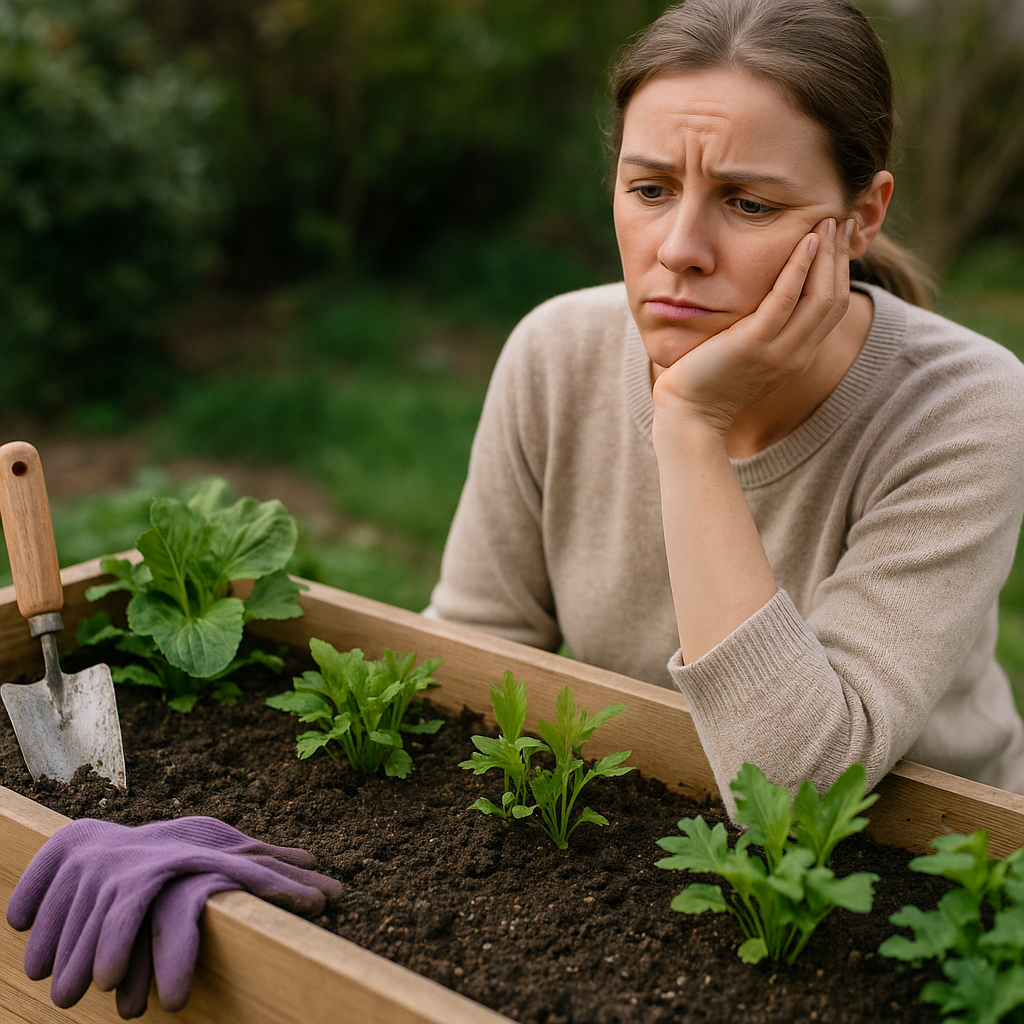
Understanding Costly Gardening Mistakes
Gardening can be a fulfilling and therapeutic hobby, but it can also get expensive if mistakes are made. To prevent this, it’s essential to be informed about common pitfalls that gardeners often encounter. By being aware of these missteps, you can save money, time, and effort, ensuring a healthier garden.
In this article, we'll explore some of the most common costly gardening mistakes and offer practical advice on how to avoid them. Whether you're a seasoned gardener or just starting out, these tips will help you cultivate a lush garden without unnecessary expenses.
Choosing the Wrong Plants for Your Climate
One of the most common mistakes gardeners make is selecting plants that are not suitable for their climate. This can lead to poor growth and even plant death, which can be costly to replace.
Know Your Plant Hardiness Zone
To avoid this mistake, it’s crucial to understand your local climate and the specific plant hardiness zone you live in. The USDA provides a plant hardiness zone map, which can help you choose plants that are likely to thrive in your area. Visit USDA Plant Hardiness Zone Map.
- Research Local Recommendations: Local gardening centers often recommend native plants that are adapted to your climate.
- Consider Microclimates: Within your garden, there might be variations due to shade, sunlight, or wind, affecting plant choice.
Improper Soil Preparation
Another common and costly mistake is not preparing the soil adequately before planting. Soil quality can significantly influence plant health and productivity.
Conducting a Soil Test
A soil test can reveal vital information, like pH level and nutrient content, allowing you to amend the soil properly. Soil test kits are available at most garden centers.
- Add Organic Matter: Enrich your soil by adding compost or well-rotted manure, which can improve soil structure and nutrient content.
- Adjust pH Levels: Depending on your soil test, you may need to add lime to raise pH or sulfur to lower it.
Overwatering
Overwatering is a frequent mistake that can lead to root rot and create an environment for pests and diseases. Knowing how much and when to water is critical to avoid these issues.
Understanding Plant Water Needs
Different plants have varying water requirements. Some thrive in dry conditions, while others need consistent moisture. Research your plants' needs to provide the right amount of water.
- Invest in Drip Irrigation: A drip irrigation system can help deliver water directly to plant roots, conserving water and reducing splashes that can promote disease.
- Use Mulch: Mulching helps retain soil moisture and reduce the frequency of watering.
Neglecting Pest Management
Pests can rapidly damage plants, leading to potential losses if not managed appropriately. Integrated Pest Management (IPM) strategies can help maintain a healthy garden.
Adopt Integrated Pest Management (IPM)
IPM is a holistic approach that combines different management strategies and practices for pest control. According to a study published in 2026, IPM can significantly reduce pest-related plant losses while being environmentally friendly. Learn more about IPM strategies.
- Regular Monitoring: Check plants regularly for signs of pests and take early action before they become established.
- Encourage Beneficial Insects: Attract insects like ladybugs and spiders, which naturally control pest populations.
Conclusion
Gardening mistakes can be costly, but with proper planning and management, you can avoid many of these pitfalls. Being informed about your local environment, understanding your plants' needs, and adopting sustainable gardening practices will lead to a productive and cost-effective garden. By learning from these common mistakes, you can invest your resources wisely and enjoy the fruits of your labor for years to come.
For further reading and tips on smart gardening practices, be sure to follow reputable gardening forums and resources.