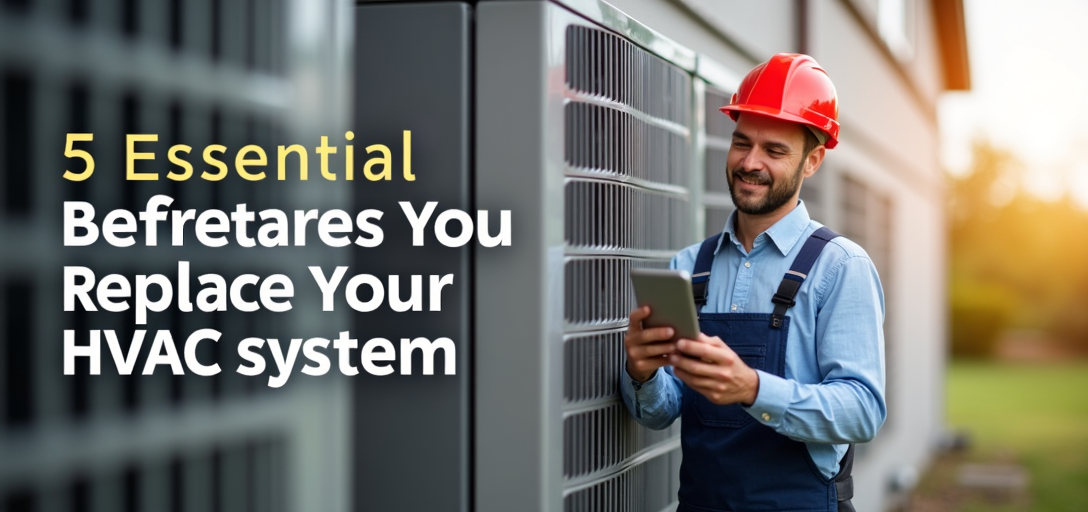
5 Essential Insights Before You Replace Your HVAC System
Replacing an HVAC system is a significant decision for homeowners, and being informed about the process is crucial. Before you take the plunge, consider these top insights to ensure a smooth replacement: from understanding energy efficiency improvements to evaluating longterm savings.
Understanding the Basics of HVAC Systems
Heating, Ventilation, and Air Conditioning (HVAC) systems are integral parts of modern homes, providing comfort through temperature regulation and air quality improvement. Before diving into the replacement process, it’s essential to understand what an HVAC system is and the primary components involved. This knowledge helps homeowners make informed decisions.
Components of an HVAC System
- Furnace: Typically used for heating, the furnace plays a crucial role in the winter by using energy sources such as gas or electricity to heat air or water.
- Air Conditioner: Essential during the summer months, air conditioners cool indoor spaces by removing heat and moisture from the air.
- Ductwork: Functions as the pathway for air to circulate throughout the home. Properly sealed ductwork is vital for efficient energy use.
- Thermostat: Acts as the control hub for setting and regulating temperature settings according to the homeowner’s comfort preferences.
- Ventilation: Ensures adequate indoor air quality by bringing in fresh outdoor air and expelling indoor air.
Assessing the Need for HVAC Replacement
Replacing an HVAC system is a significant investment, so it’s crucial to determine if a replacement is necessary. Common indicators include:
- Age of System: The average lifespan of an HVAC system is about 15 to 20 years. If your system falls within this age range or older, it might be time to consider a replacement.
- Frequent Repairs: If your current system requires frequent and costly repairs, investing in a new system may be more cost-effective.
- Inefficient Performance: Noticeable increases in energy bills or rooms that are difficult to heat or cool may indicate an inefficient system.
- Noisy Operation: Unusual noises can signal underlying issues that might necessitate a replacement rather than a repair.
Choosing the Right HVAC System for Your Home
When selecting a new HVAC system, several factors should be considered to ensure the best match for your home’s needs.
Types of HVAC Systems
- Central Air Systems: These systems are the most common and provide efficient whole-home heating and cooling through a network of ducts.
- Ductless Mini-Splits: Ideal for homes without ductwork, these systems offer flexibility for heating and cooling individual rooms or zones.
- Heat Pumps: Highly efficient in moderate climates, heat pumps provide both heating and cooling by transferring heat between the indoors and outdoors.
- Geothermal Systems: Utilizing the stable temperatures of the earth, these are highly efficient but involve higher upfront installation costs.
Considerations for System Selection
When deciding on a system, consider these factors:
- Sizing: An appropriately sized system ensures comfort and efficiency. Professional assessment of your home’s layout and insulation is essential for correct sizing.
- Efficiency Ratings: Look for high SEER (Seasonal Energy Efficiency Ratio) and AFUE (Annual Fuel Utilization Efficiency) ratings to ensure energy efficiency and reduce environmental impact.
- Budget: Keep both upfront costs and long-term operating expenses in considerations. Energy-efficient systems often have higher initial costs but lower monthly bills.
- Climate: Consider how your local climate impacts system performance. For instance, heat pumps are more effective in milder climates.
The Installation Process
Proper installation is key to maximizing the efficiency and lifespan of your new HVAC system. Here’s what to expect during the installation process:
Hiring Qualified Professionals
Ensure that you hire a licensed and experienced HVAC contractor. Professional installation is important to comply with local codes and manufacturer guidelines, which protects your investment and warranty. According to recent statistics, about 15% of HVAC systems in the U.S. are installed incorrectly—an issue that affects energy efficiency and costs more in utility bills. (Source: Energy Star)
Steps in the Installation
- Inspection and Assessment: The contractor will evaluate your current setup, recommend a system, and provide a detailed quote.
- Removal of Old Equipment: The old system components are safely removed and disposed of according to local regulations.
- Install New System: This involves setting up the system components, connecting ductwork if necessary, and configuring the thermostat.
- Testing: Once installed, the system undergoes comprehensive checks for optimal operation and efficiency.
Maintenance and Care
Regular maintenance is crucial to extend the life of your HVAC system and ensure it runs efficiently:
- Scheduled Servicing: Schedule professional maintenance twice a year to check components like filters, coils, and fins.
- Filter Changes: Replace or clean filters every one to three months to ensure proper airflow and system efficiency.
- Homeowner Checks: Routinely inspect visible components and ensure that outdoor units are clear of debris.
Implementing these practices not only enhances performance but also supports indoor air quality—a critical factor considering that Americans spend about 90% of their time indoors, where air pollutants can be two to five times higher than outdoor levels. (Source: EPA)