5 Warning Signs Your Older HVAC System Might Be on the Brink
An older HVAC system can develop issues that show up as warning signs before it completely stops working. By being aware of these potential signs like unusual noises or inconsistent temperatures, homeowners can prepare for maintenance or replacement.
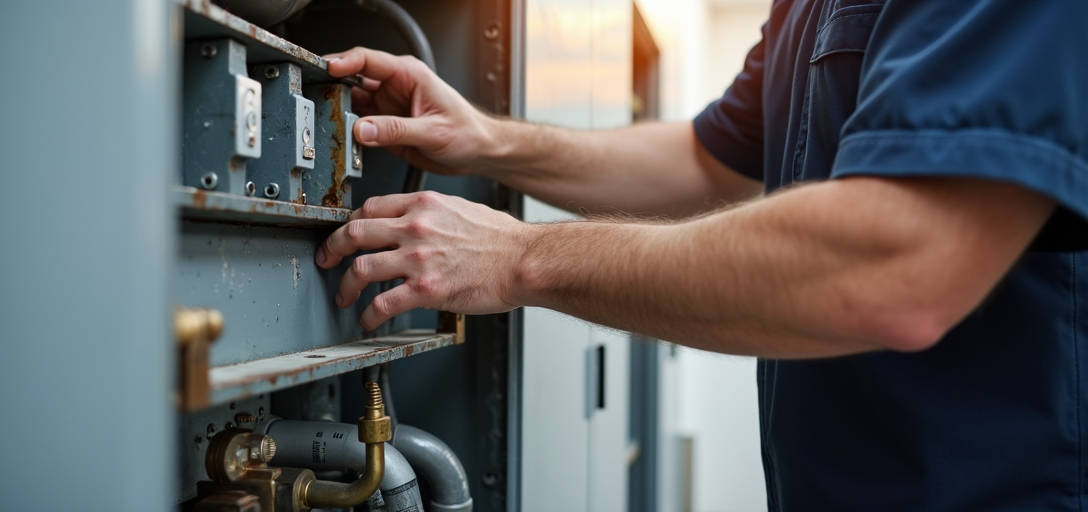
Understanding Your Older HVAC System
Your HVAC (Heating, Ventilation, and Air Conditioning) system is crucial for maintaining comfort in your home. But as these systems age, they begin to show signs that they might be nearing the end of their functional lifespan. Recognizing these signs early can help you make informed decisions about repairs or replacements, potentially saving money and avoiding emergency situations. This article will guide you through the warning signs that your older HVAC system might show before it stops working entirely.
Common Warning Signs of an Aging HVAC System
Older HVAC systems exhibit several warning signs that homeowners should be aware of. These indicators can range from subtle inefficiencies to noticeable malfunctions. Paying attention to these can allow you to address issues before they lead to complete system failure.
- Increased Energy Bills: One of the first signs of an ailing HVAC system is an unexpected rise in your energy bills. As systems age, they often lose efficiency, meaning they require more energy to achieve the same level of heating or cooling.
- Frequent Repairs: If you find yourself calling a technician frequently to address various breakdowns or performance issues, it might be time to consider whether repairs are economically sensible versus replacing the unit.
- Strange Noises: Notice odd sounds like grinding, squealing, or banging? These noises often indicate issues with moving parts inside the system and might mean your hvac components are wearing out.
- Inconsistent Temperatures: If some rooms in your home are too hot while others remain too cold, your HVAC system may be struggling to distribute air evenly, signaling performance inefficiencies.
- Poor Air Quality: A decline in indoor air quality, marked by increased dust, humidity, or allergens, can often be attributed to a failing HVAC system unable to filter or circulate air efficiently.
The Importance of Timely Maintenance
Regular maintenance is vital for prolonging the lifespan of your HVAC system. An annual inspection by a qualified technician can identify and address small issues before they escalate into major problems. According to a 2026 report by the Energy Star Program, HVAC systems that receive regular maintenance can last several years longer than neglected systems.
Included maintenance activities might involve:
- Replacing or cleaning air filters to ensure good air flow.
- Inspecting and cleaning ductwork to avoid blockages and improve air quality.
- Checking refrigerant levels and repairing leaks.
- Lubricating moving parts to prevent wear and tear.
- Testing the thermostat for accuracy and efficiency.
When to Repair vs. Replace Your HVAC System
Deciding whether to repair an existing system or replace it with a new unit depends on several factors, including cost, efficiency, and the age of the equipment. Generally, if your system is more than 15 years old and requires significant repairs, it might be more cost-effective to consider replacement.
Cost Considerations
If repair costs are more than half the expense of a new system, replacement might be the better option. Newer models are more energy-efficient and may provide savings on energy bills that offset the initial purchase cost over time.
Benefits of Upgrading
- Improved Efficiency: Modern HVAC systems have higher SEER (Seasonal Energy Efficiency Ratio) ratings, which can drastically reduce your energy consumption.
- Rebates and Incentives: Many states offer incentives for upgrading to energy-efficient models. According to the U.S. Department of Energy, households can save up to 30% on energy costs with eligible upgrades.
- Environmental Impact: Modern systems use refrigerants that are less harmful to the environment, such as R-410A, and contribute less to greenhouse gas emissions.
Choosing the Right Replacement System
When it is time to replace your HVAC system, selecting the right unit for your home’s needs is crucial. Considerations include proper sizing, energy efficiency ratings, and the specific climate demands of your region.
Key Features to Look For
Some features can enhance comfort and efficiency, such as:
- Variable-Speed Technology: This allows the system to operate efficiently across a broader range of temperatures.
- Smart Thermostats: These devices enhance control over your home’s heating and cooling, learning your schedule and adjusting settings automatically for optimal energy savings.
- Advanced Filtration Systems: Especially beneficial for those with allergies, high-efficiency filters can trap more pollutants and particles.
Conclusion: Taking Proactive Measures
By paying attention to the warning signs of an older HVAC system, you can take proactive measures to address potential issues, ensuring your home remains comfortable in any season. Regular maintenance, timely repairs, and an informed decision to upgrade when necessary are key to managing your HVAC effectively. For more guidance, consult with a trusted HVAC professional who can provide tailored advice and solutions suited to your home’s needs.