7 Reliable Ways to Discover Your Old Car's True Value
Wondering how to find out what your old car is worth? Discover practical tips on evaluating your vehicle's value, even if it's a classic. We'll guide you through tools and resources to better understand your car's market price without making unrealistic promises.
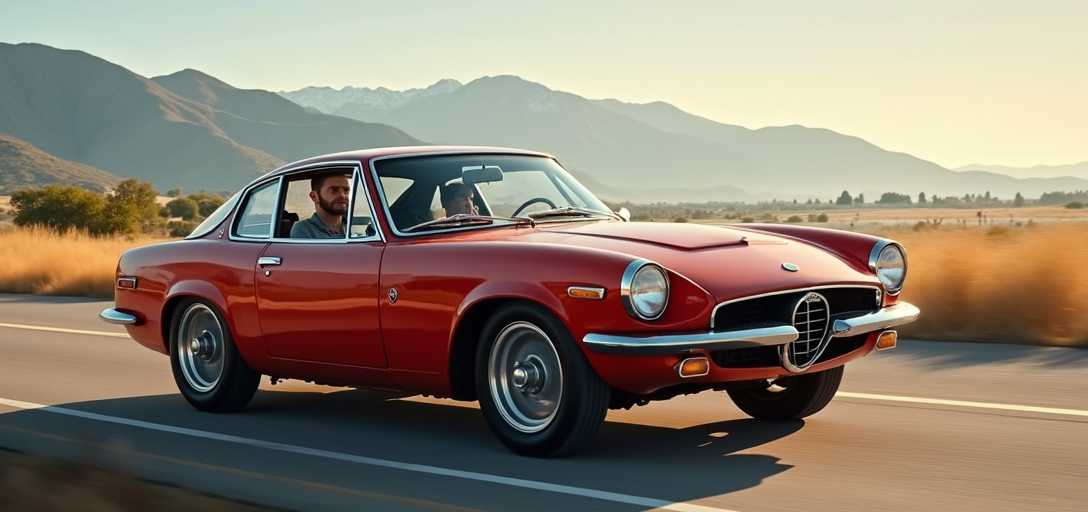
Understanding Your Old Car's Worth
If you're considering selling your old car or just curious about its value, it's crucial to understand how car valuation works, especially in the US. Cars depreciate over time, but several factors can influence their worth. Let's explore these factors and how you can calculate the market value of your old car in 2026.
Factors Influencing Your Car’s Value
Car valuation is a multifaceted process. The worth of a car isn’t just determined by its age and brand but by a combination of several factors, including:
- Make and Model: Some brands and models hold value better due to their reputation for reliability, safety, or luxury.
- Year of Manufacture: Newer models tend to have higher values as they usually feature more advanced technology and safety features.
- Mileage: Lower mileage often indicates less wear and tear, enhancing a car's value.
- Condition: The physical and mechanical condition significantly impacts valuation. A well-maintained car will fetch a higher price.
- Market Demand and Supply: High demand or scarcity of a particular model can increase value.
Using Online Valuation Tools
In 2026, technology plays a pivotal role in car valuation. Online platforms can offer a quick estimation based on enterable data. Here are some notable tools:
- Kelley Blue Book (KBB) - A trusted resource for decades, KBB provides a comprehensive evaluation based on current market trends.
- NADA Guides - Offers dealer valuation tools that consider wholesale and retail prices.
- Edmunds - Provides detailed insight by analyzing data from real-world sales transactions.
Conducting a Thorough Research
Valuation tools are a great start, but conducting additional research is essential for accuracy. Consider:
- Visiting online marketplaces such as Craigslist, eBay Motors, or AutoTrader to see how similar cars are priced.
- Checking local classified ads to gauge regional pricing variations.
- Consulting with a professional appraiser for high-value or classic cars.
Understanding Depreciation
Depreciation is the reduction in a car's value over time. Most cars depreciate 15-25% in the first year and about 15% every year following, depending on the factors mentioned above. Cars with higher initial value may depreciate faster but could retain higher resale values.
How to Enhance Your Car’s Value
To maximize the return when selling your old car, consider:
- Regular Maintenance: Keeping up with scheduled service ensures the car runs smoothly and can provide service records as proof of care.
- Detailing the Vehicle: A professional cleaning or detailing job can greatly enhance the car's appearance and perceived value.
- Repairing Minor Issues: Fix any small mechanical problems or cosmetic damages to make the car more appealing to buyers.
Negotiating the Sale
Once you have a good idea of your car's worth, it’s time to prepare for negotiation. Be ready to:
- Present evidence-backed valuations to assert your asking price.
- Be flexible but firm on your car's validated worth to avoid underselling.
- Highlight the car's strengths and unique features during discussions.
Conclusion: Knowing Your Car's Unique Worth
Understanding the factors that impact your old car's worth in 2026 will not only aid in setting a fair price but also assist in making informed decisions, whether you're planning to sell or simply curious about market trends. By using online resources, conducting thorough research, and maintaining your vehicle, you are well-equipped to find an accurate value for your old car.
For further detailed analysis and current valuation trends, visit resources such as Consumer Reports for consumer insights and reviews to back your vehicle valuation decision.