7 Things You Should Turn Off Before Bed for a Safer and More Economical Night
Ensure a restful night by exploring what you should consider turning off before sleep for both safety and savings. Discover how common household items might silently impact your energy costs and safety.
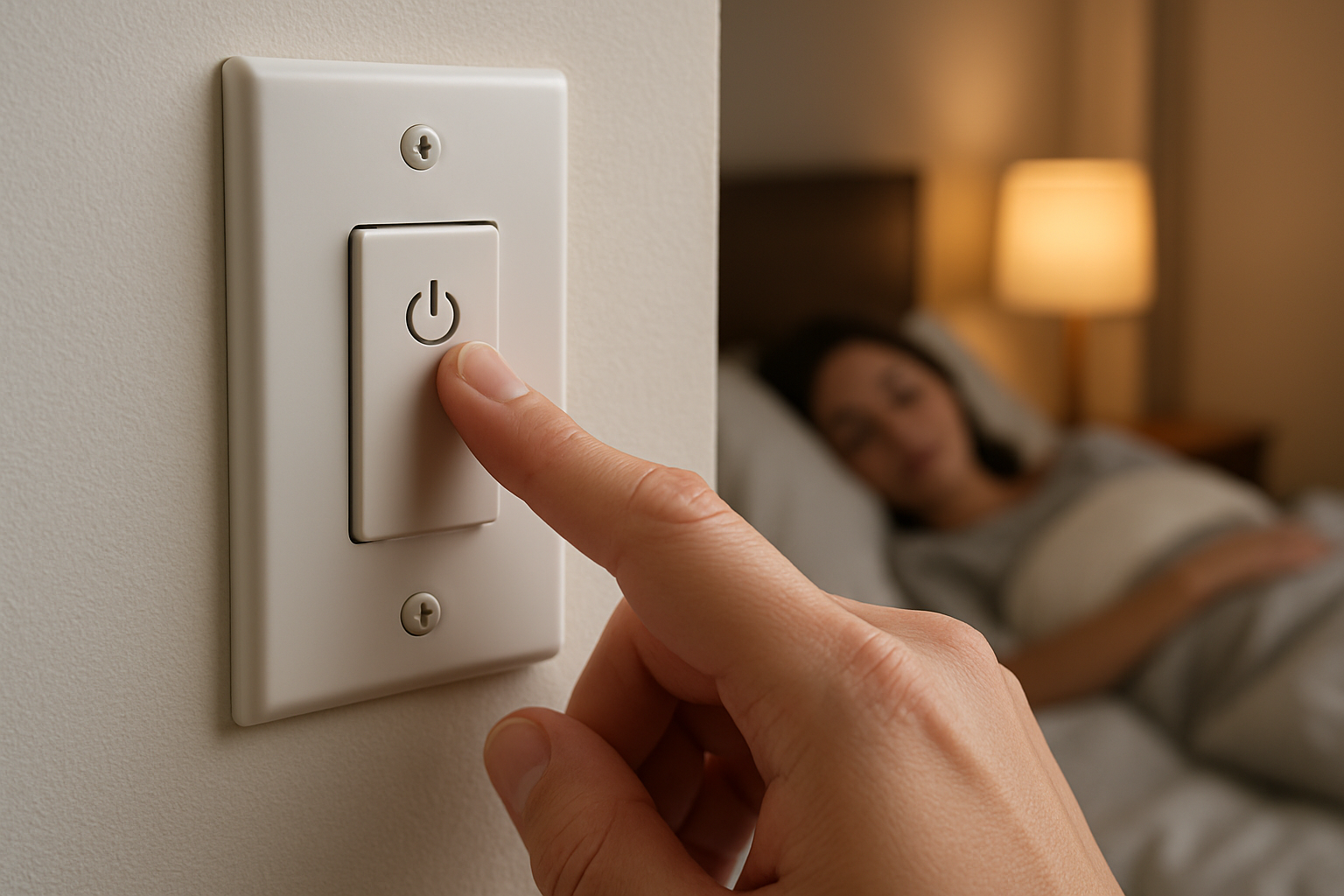
Understanding the Importance of Turning Things Off Before Sleeping
As we become more conscious of our environmental footprint and strive for safer home environments, we must reassess our evening routines — particularly what we leave on or off before heading to bed. From safeguarding our homes from electrical hazards to cutting down on unnecessary energy costs, the act of turning off certain devices can have a significant impact.
For context, recent data from the International Energy Agency (IEA) suggests that households waste almost 10% of their electricity due to devices left plugged in overnight. Understanding why this happens and how to prevent it can be crucial in achieving both safety and savings.
Which Devices Should You Turn Off?
Electronics and Appliances
Electronics and appliances are among the top offenders. Here are some commonly used household items that should be turned off:
- Televisions: Modern TVs continue to consume power even when turned 'off.' Use the power strip switch or unplug them altogether to avoid this.
- Computers and Laptops: While sleep mode reduces power usage, turning them off completely ensures zero consumption.
- Kitchens Appliances: Microwaves and coffee makers often have clocks that continue to draw energy.
- Chargers: Any charger left in a socket continues drawing power, regardless of whether it's charging a device or not.
Lighting
Turning off unnecessary lights is one of the simplest ways to cut down on energy usage. Set a bedtime routine that ensures all lights are turned off, particularly in unoccupied rooms. Consider using smart bulbs with timers or motion sensors to automate this process.
Heating and Cooling Systems
While it might seem counterproductive in extreme weather, adjusting your home's thermostat at night can lead to significant savings. Studies have shown that reducing your thermostat by 7-10 degrees for 8 hours each night saves up to 10% on heating and cooling costs annually.
Real Benefits: Safety and Savings
Enhancing Safety
Electrical fires are a genuine concern and are often caused by gadgets that overheat or malfunction when left unattended. Turning off electronics before sleeping mitigates these risks, providing peace of mind that your home is safe from potential electrical issues.
Cutting Costs
Based on data from the U.S. Department of Energy, implementing these simple practices can result in annual savings of about $150-200. These reductions come from lower electricity bills and fewer potential replacement costs for burnt-out devices.
Tips to Make This a Habit
Changing nightly habits can feel daunting, but with a few tricks, it becomes second nature:
- Create a Checklist: Write down devices and systems you need to check every night. Keep it near your bedside or your home's main exit as a reminder.
- Utilize Smart Plugs: Automate device shutdowns based on your schedule. Many smart plugs allow remote monitoring and control through apps.
- Engage the Family: Make it a family routine. Discuss the importance of these savings and safety measures to ensure everyone participates.
- Set Alarms: Use phone reminders at night to turn off devices, ensuring you complete your routine before dozing off.
Dispelling Common Myths
There are a few misconceptions about power usage at night:
- Standby is Sufficient: Devices in standby mode still consume energy. The 'phantom load' can add up remarkably over time.
- Smart Devices Are Always Efficient: Smart technology can also be a culprit of wasted energy if not used properly. Ensure all functions, like constant listening or motion detection, are truly necessary.
Conclusion
By understanding the financial and safety repercussions of leaving devices on while sleeping, you empower yourself to make informed decisions that enhance your quality of life. Implementing these practices does not only benefit you financially but also promotes a culture of energy consciousness. Share this knowledge, spread awareness, and let's make our homes a little safer while contributing to a greener planet.
For further reading and in-depth guides on energy conservation, consider visiting the Energy Star website or refer to the insights provided by International Energy Agency.