7 Warning Signs Your Older HVAC System May Be Nearing the End of Its Life
Wondering if your older HVAC system might be on its last legs? Watch out for these warning signs that could indicate trouble ahead. An older HVAC system may start to show reduced efficiency, strange noises, or uneven heating before it needs serious repair.
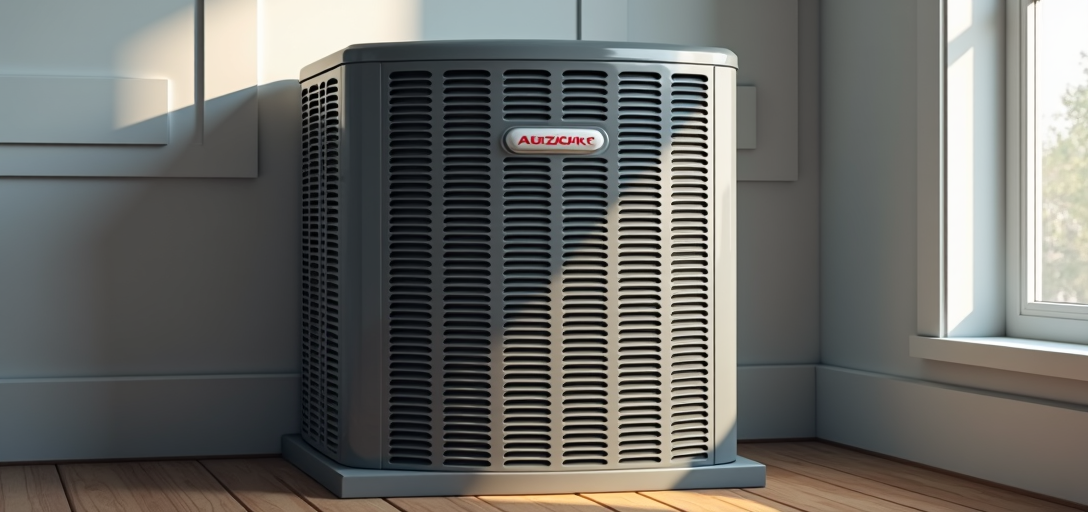
Recognizing the Warning Signs of an Older HVAC System
Heating, Ventilation, and Air Conditioning (HVAC) systems are essential for maintaining a comfortable and healthy indoor environment. However, as these systems age, they often exhibit warning signs before they completely stop working. Identifying these signs can save you from unexpected breakdowns and expensive repair costs.
Understanding the Lifespan of HVAC Systems
On average, HVAC systems last 10–15 years, although some can run efficiently for up to 20 years with proper maintenance. The lifespan of an HVAC unit largely depends on factors like the quality of the original installation, how well it has been maintained, and the frequency and quality of repairs. Recognizing when an HVAC system is nearing the end of its life can help homeowners in the US plan for replacements before a complete failure occurs.
Signs Your HVAC System is Struggling
- Inconsistent Temperatures: If you notice uneven temperatures throughout your home, it might be an indicator of an aging HVAC system. This can occur due to failing components that no longer distribute air evenly.
- Unusual Noises: Strange sounds such as grinding, squeaking, or rattling coming from the HVAC unit should not be ignored. These noises often suggest loose components or motor issues.
- Higher Energy Bills: An unexpected spike in energy bills without a corresponding increase in usage often indicates that your HVAC is losing efficiency. Older systems must work harder to maintain the desired temperature, consuming more power.
- Frequent Repairs: If you find yourself constantly calling technicians for HVAC repairs, it might be time to consider a replacement. Frequent repairs can be more costly over time compared to investing in a new system.
Impact of Seasonal Changes
Seasonal changes put different demands on HVAC systems. For example, in hot climates, an older air conditioning unit might struggle to keep up during peak summer months. Similarly, older heating units can underperform in the winter, leading to insufficient indoor heating. This cyclical strain can exacerbate existing wear and tear, hastening the system’s decline.
Why Timely Replacement Can Be Beneficial
Choosing to replace your HVAC system at the first significant signs of deterioration can offer several benefits:
- Improved Efficiency: New HVAC systems are designed with advanced technology to offer greater energy efficiency, saving you money in the long run.
- Enhanced Comfort: Modern systems provide superior temperature control options and more consistent airflow.
- Environmentally Friendly: Newer units often have a reduced carbon footprint, supporting sustainable living practices.
Financial Considerations and Resources
Planning for Replacement Costs
The cost to replace an HVAC system in the US averages between $5,000 and $10,000 in 2026, depending on the system type and any necessary ductwork modifications. Budgeting ahead and taking advantage of financing options can ease this financial burden. Additionally, many states offer rebate programs for energy-efficient upgrades.
Leveraging Tax Credits and Rebates
The U.S. government continues to support energy-efficient home improvements. As of 2026, homeowners can still benefit from federal tax credits for installing qualified energy-efficient systems. It’s advisable to consult with your local HVAC service provider for any regional incentives.
Selecting the Right HVAC Professional
Choosing the right contractor is crucial for ensuring a proper installation. Be sure to check for certifications, read reviews, and get multiple quotes to ensure you’re receiving quality service at a fair price. Trusted sources like the U.S. Department of Energy and Energy Star provide lists of certified contractors.
Maintenance and Monitoring
Extending the Life of Your HVAC System
Routine maintenance can significantly extend the life of your HVAC system. Regular tasks such as changing air filters, cleaning coils, and inspecting ducts can prevent small issues from becoming major problems. These tasks are not only cost-effective but also help maintain the system’s efficiency.
Monitoring System Performance
Smart thermostats and performance monitoring systems can provide real-time insights into your HVAC’s operation, alerting you to inefficiencies or potential failures before they become significant. This technology not only enhances comfort but also aids in proactive maintenance.
Conclusion
Recognizing the warning signs of an aging HVAC system can prevent uncomfortable situations and unexpected expenses. While it’s tempting to delay replacement until absolute failure, being proactive not only ensures continuous comfort but can also result in financial savings and contribute to environmental sustainability. When in doubt, consult with a professional to evaluate your system’s condition. Investing in a new, efficient HVAC system can be one of the best decisions for your home and wallet.