A Comprehensive Guide to NHS Dental Implants: Eligibility and Application Process in the UK
Discover the essential steps to apply for NHS dental implants in the UK with our detailed guide. Learn about eligibility criteria, important considerations, and the application process. Although NHS services strive to be accessible, availability of dental implants can vary.
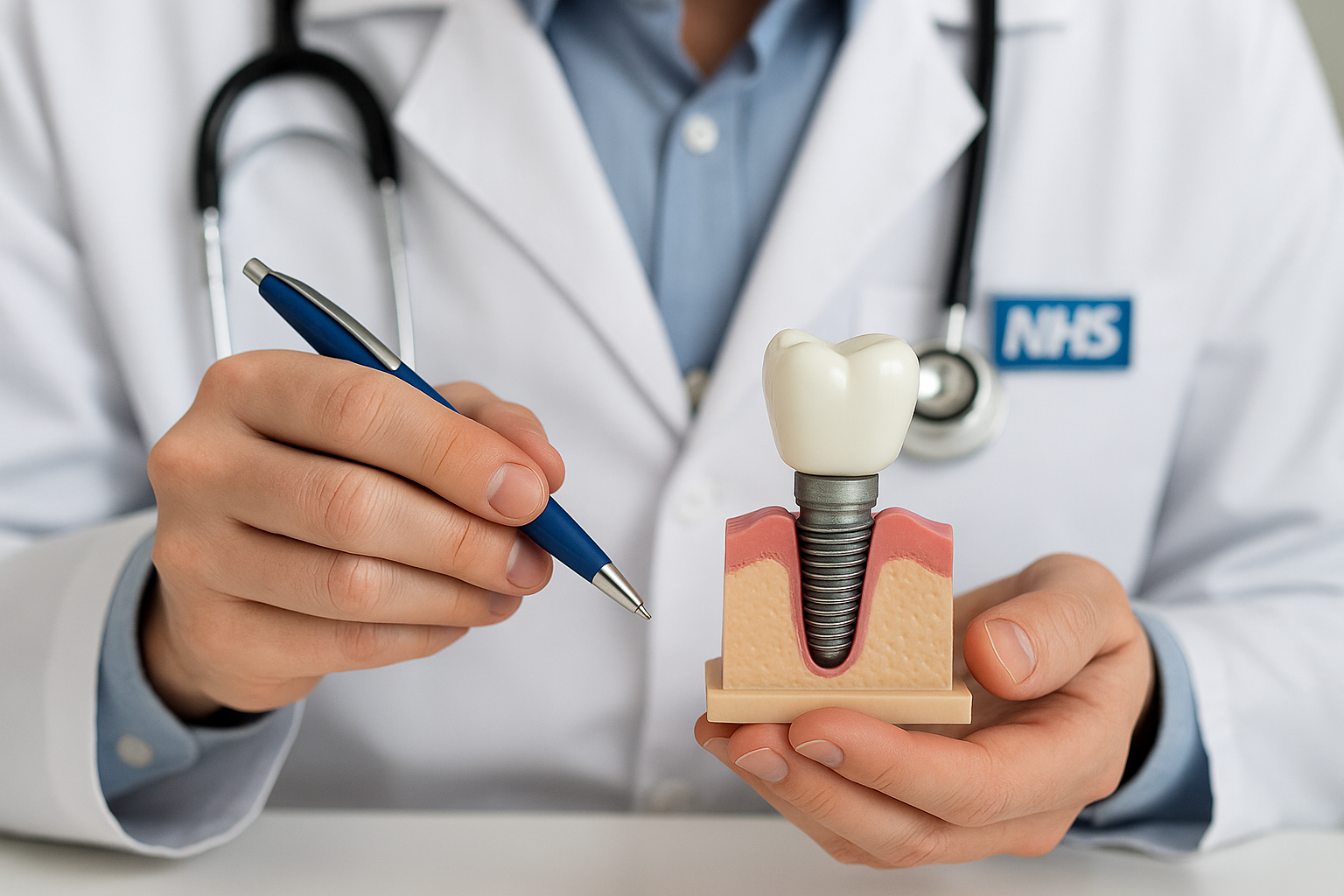
Understanding NHS Dental Implants in the UK
Navigating dental healthcare needs, especially when it involves something as specific as dental implants, can often seem daunting. With dental health playing a crucial role in overall well-being, the question on many minds is: how does one apply for NHS dental implants in the UK? This article aims to shed light on the entire process, offering comprehensive insights into what one can expect when seeking to improve dental health through implants under the NHS.
Eligibility Criteria for NHS Dental Implants
Dental implants are highly valued for providing durable and effective solutions to tooth loss. However, within the NHS framework, certain criteria determine the provision of such treatments. As of 2026, dental implants are primarily provided to patients who have a significant clinical need. This typically includes individuals who:
- Have experienced substantial, traumatic tooth loss or facial injuries.
- Do not have conventional dentures fitting satisfactorily due to irregularities in jaw structure.
- Have medical conditions that prevent them from wearing dentures, such as oral cancers or significant congenital anomalies.
It's crucial to note that routine cosmetic requirements are not covered by NHS implants, emphasizing the importance of a clinical necessity when considering this route. If unsure about individual eligibility, consulting with a dental healthcare provider can provide clarity and direction.
Steps to Apply for NHS Dental Implants
1. Initial Consultation
The journey to acquiring dental implants on the NHS typically begins with a standard consultation with your dentist who will evaluate your dental and medical history. This step is vital to assessing the suitability for implant treatment under the stringent NHS criteria.
2. Referral Process
Should your dentist determine a potential need for dental implants based on medical justifications, they may refer you to a specialist or hospital dentist for a more comprehensive assessment. This onward referral is contingent on meeting the outlined NHS criteria for implant treatment.
3. Specialist Assessment
During this phase, a specialist will conduct a detailed examination and may take various dental impressions or x-rays. This step determines the next course of action and confirms the appropriateness of implants, exploring alternatives if necessary.
4. Approval and Treatment
If approved, the treatment plan is developed in collaboration with dental specialists. The whole process includes different stages such as implant placement, healing, and fitting the prosthetic crown. The entire process, from assessment to the final fitting, can take several months, ensuring each phase is carefully managed.
Costs Associated with NHS Dental Implants
Dental implants provided under the NHS are part of the more complex and specialized dental treatment services. Generally, patients qualifying for NHS coverage might not bear the complete expense, unlike private treatments which range significantly in costs. Nonetheless, a dental charge applies, structured into NHS Bands:
- Band 1: £25.80 – Examinations, diagnosis, including radiographs (x-rays), advice on how to prevent future problems, and a scale and polish if clinically needed.
- Band 2: £70.70 – All treatment covered by Band 1, plus additional treatment such as fillings, root canal treatment, and removing teeth (extractions).
- Band 3: £306.80 – All treatment covered by Bands 1 and 2, plus more complex procedures, including crowns, dentures, and bridges.
For detailed information on the costs, visit the NHS dental charges page. Be sure to consult your dentist about what you will pay for your treatment.
Alternatives to NHS Dental Implants
For those who may not qualify for NHS dental implants due to stringent criteria, private options exist. Although often costlier, private dentistry offers benefits such as shorter waiting times and a broader choice of implant styles and procedures. Recent advancements in dental implant technology in 2026 indicate a significant rise in digital dentistry, offering innovative and minimally invasive techniques which can be explored through private practices.
Another alternative is seeking care abroad, a growing trend due to competitive pricing and high standards of care in countries like Spain and Hungary.
Conclusion: Navigating Your Dental Implant Journey
Obtaining dental implants via the NHS requires navigating specific steps and meeting criteria dependent on clinical necessity. While not available to everyone, the NHS offers robust resources for those needing essential implant treatments. Understanding the application process, costs, and available alternatives can empower patients to make informed decisions about their dental health journey. Consulting with dental professionals and leveraging available NHS resources will ensure the best outcomes and maintain optimal dental health.
For further detailed guidelines, visit the NHS website.