A Comprehensive Guide to Pet Insurance Plans for Dogs: What Do They Really Cover?
Curious about which pet insurance plans cover everything for dogs? While no policy covers every possible situation, our guide explores comprehensive options that offer extensive protection for your furry friend.
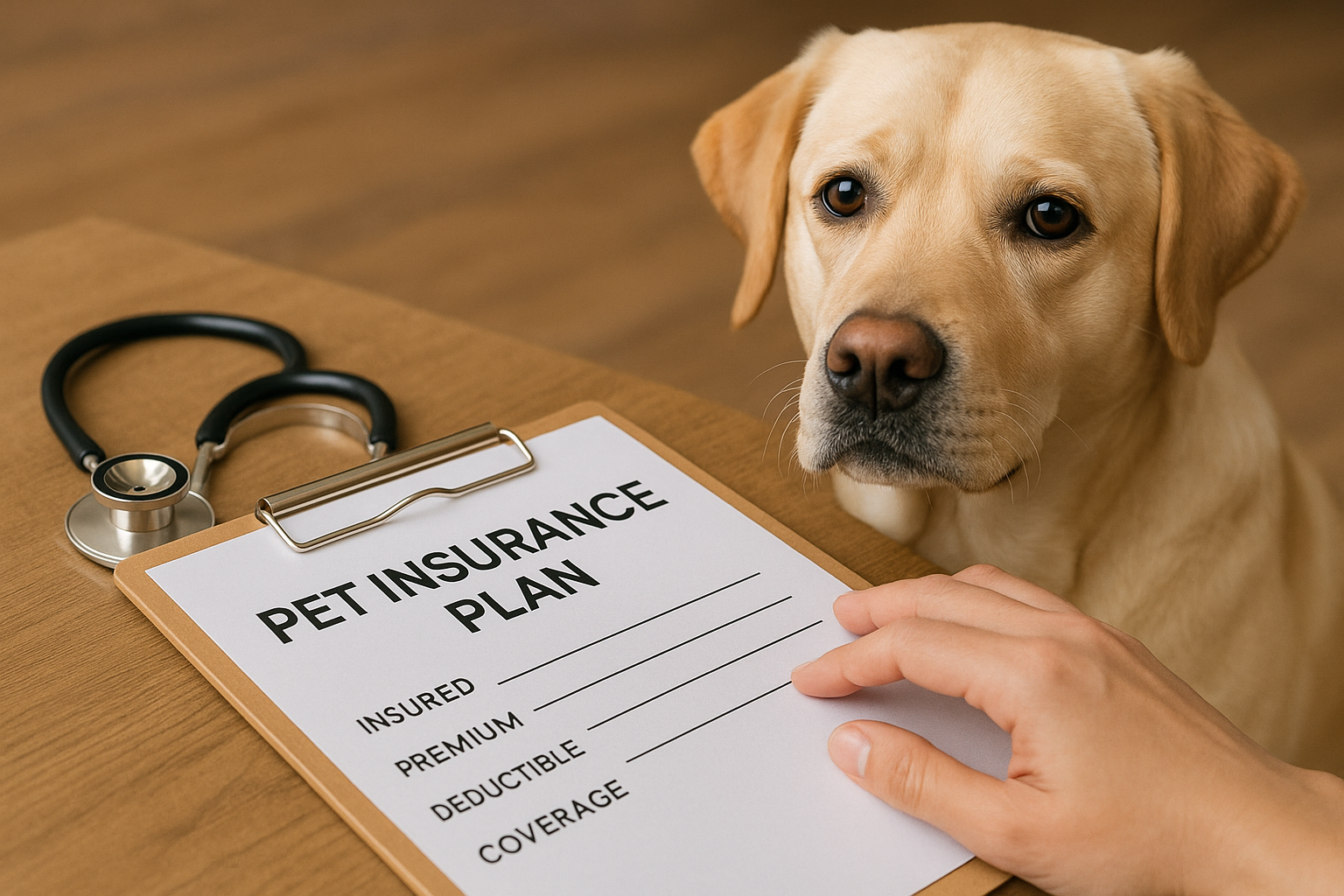
Understanding Pet Insurance for Dogs
Choosing the right pet insurance can be daunting, especially when you're looking for a plan that covers everything for your dog. In 2026, pet insurance is more popular than ever, reflecting the growing love and care people have for their dogs. This guide will help you understand what comprehensive pet insurance entails, the types of coverage available, and the questions you need to ask to ensure you're choosing the best plan for your furry friend.
What Does Comprehensive Pet Insurance Cover?
A plan that claims to cover "everything" for your dog typically includes a wide variety of medical issues and treatments. Comprehensive plans are designed to offer peace of mind by covering:
- Accidents: Coverage for unexpected injuries which may include broken bones, bite wounds, or swallowed objects.
- Illnesses: Insurance for diseases or conditions such as cancer, diabetes, or arthritis.
- Hereditary and Congenital Conditions: Conditions that are breed-specific or inherited, such as hip dysplasia.
- Alternative Therapies: Treatments like acupuncture, physiotherapy, or chiropractic treatment.
- Emergency Care: Emergency hospitalizations and surgeries for urgent health issues.
- Diagnostic Tests: Coverage for X-rays, MRIs, lab tests, and more to diagnose health issues.
- Prescription Medications:** Medicines prescribed by your veterinarian.
It is crucial for pet owners to read the policy terms carefully, as what is covered can vary between insurance providers.
What Isn’t Covered in Most Pet Insurance Plans?
While comprehensive might sound all-inclusive, there are commonly excluded items you should be aware of:
- Pre-existing Conditions: A condition that your pet has before you obtain insurance is typically not covered.
- Routine and Preventive Care: These are often not included in standard plans but might be available as add-ons. They include vaccinations, spay/neuter services, and flea/tick prevention.
- Behavioral Issues: Treatments for behavioral problems are generally not covered unless specified in the plan.
- Cosmetic or Elective Procedures: Procedures such as tail docking or ear cropping.
Make sure to check policy exclusions before committing to an insurance plan to avoid any surprises.
Key Considerations When Choosing a Pet Insurance Plan
To ensure you select the best plan for your dog, consider these factors:
- Cost: Understand premium, deductible, and co-pay amounts. Premiums can vary based on breed, age, and location.
- Reimbursement Model: Some plans reimburse a percentage of the vet bill, while others cover according to a benefit schedule.
- Annual Limits: Some policies have annual payout limits, which can affect your coverage in cases of serious illnesses.
- Customer Reviews: Read reviews and testimonials from current policyholders. Real-world feedback can provide insights into claim processing and customer service experience.
Real-World Examples and Statistics
Recent statistics show that the average cost of owning a dog in the United States with usual vet visits and emergencies ranges between $5,000 to $15,000 over the dog's lifetime. According to a report by the North American Pet Health Insurance Association, the pet insurance market has been growing steadily at about 23% a year.
For instance, in a survey by the American Pet Products Association, nearly 70% of pet owners were concerned about unexpected veterinary costs, which emphasizes the growing need for pet insurance. Real stories of pet owners gaining significant financial relief through comprehensive plans highlight the importance of anticipating needs beyond routine checkups and accidents.
Conclusion
Finding a pet insurance plan that appropriately covers your dog is paramount in today’s fast-paced lifestyle where vet costs are skyrocketing. By understanding the different types of coverages, exclusions, and factors to consider, you can make an informed choice that ensures your pet has the best protection in their time of need.
For an in-depth comparison of pet insurance plans, consider trusted sources like Consumer Reports and Pet Insurance Review which provide updated reviews and ratings.