A Comprehensive Guide to Plunge Pools: Costs, Benefits, and Key Considerations
Discover the ins and outs of plunge pools with our detailed analysis on costs, benefits, and considerations. Plunge pools can transform your backyard into an oasis without needing much space.
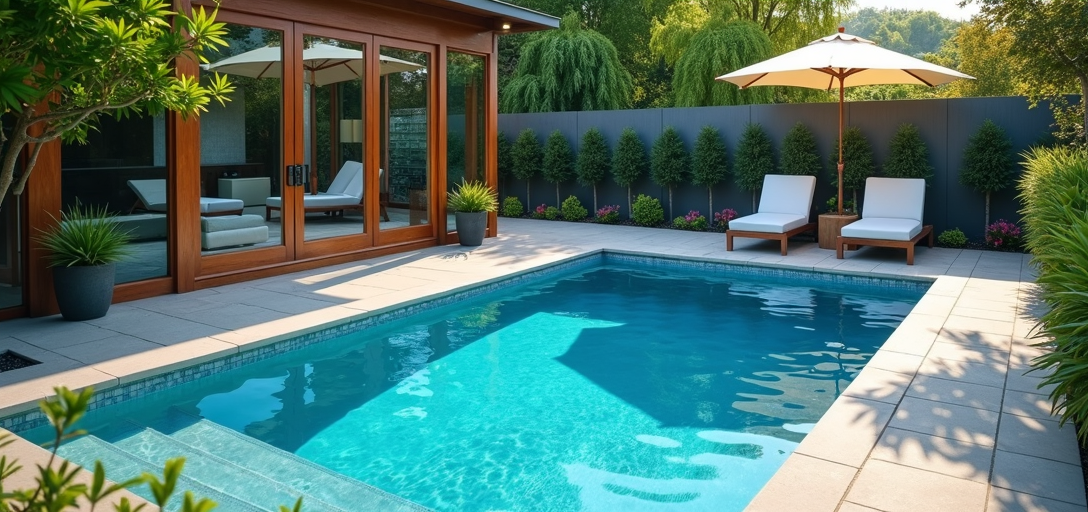
Understanding Plunge Pools
Plunge pools have become a popular alternative to traditional pools in Australia. These compact aquatic installations offer a perfect solution for those with limited space or who simply want to create a private oasis without undertaking a massive construction project. In this post, we'll explore the various aspects of plunge pools, from costs and benefits to key considerations that should be kept in mind before installation.
What is a Plunge Pool?
A plunge pool is a small, typically shallow pool designed more for lounging and cooling off than for exercising or swimming laps. With depths usually ranging from 1.2 to 1.8 meters, plunge pools are often aesthetically pleasing and can be customized to fit small backyard spaces. This makes them an ideal choice for homes in urban areas or those with limited garden space.
Costs Associated with Installing a Plunge Pool
The cost of installing a plunge pool varies significantly based on factors such as design, size, materials used, and additional features. According to recent data from 2026, here is what you might expect:
- Basic Installation: Typically ranges from AUD 20,000 to AUD 35,000. This includes fiberglass or concrete pool shells, excavation, and basic filtration systems.
- Mid-range Projects: Usually cost between AUD 35,000 and AUD 55,000. Mid-range options might include higher-quality materials, intricate designs, or additional landscaping.
- High-end Installations: These can exceed AUD 75,000. High-end plunge pools may incorporate luxury features like heating systems, integrated spas, or advanced water features.
Bear in mind that these figures can fluctuate based on local market conditions, especially in areas experiencing high demand or material shortages.
Benefits of Owning a Plunge Pool
While plunge pools are smaller than traditional pools, they offer several distinct advantages:
- Space Efficiency: Perfect for smaller backyards, plunge pools can fit into spaces where larger pools simply would not.
- Lower Maintenance: With less water volume, efforts and costs associated with maintenance, such as cleaning and chemical balancing, are reduced.
- Energy Efficiency: Heating costs are generally lower, and there's an option for solar heating solutions to further cut down on energy consumption.
- Customization Options: Plunge pools can include features like jets for hydrotherapy, resistive jets for exercise, and aesthetic elements like natural stones or waterfalls.
Considerations Before Installing a Plunge Pool
Before diving into the plunge pool trend, consider the following:
Space Verification
Check the size of available space to determine feasible pool dimensions. Experts recommend a 3 x 2-meter minimum area to ensure comfortable installation and usability.
Purpose and Features
Clearly define the intended purpose of your plunge pool. Do you want a simple relaxation spot, or are you looking for exercise features like resistance jets? Understanding this beforehand will help align design and budget with your expectations.
Regulatory Requirements
In Australia, different regions have varying regulations regarding pool installations. Ensure compliance with local council regulations regarding fencing, safety, and construction permissions.
Queensland Building and Construction Commission provides guidelines that can be helpful.
Environmental Impact
Consider the environmental impact of your pool choice. Modern plunge pools can incorporate eco-friendly technologies, such as energy-efficient pumps and filtration systems. Check out Your Home - Australia's guide to environmentally sustainable homes for more on sustainable options.
Recent Trends and Innovations in Plunge Pools (2026)
This year, the trend in plunge pools leans heavily towards smart pool technology. The integration of smart pumps, automated chemical dispensers, and energy-efficient lighting systems allows for easy maintenance and operation via smartphone apps.
The incorporation of naturalistic designs remains popular. Many Australian homeowners are opting for pools that blend seamlessly with their gardens, using natural stone and plantings that enhance the aesthetic appeal.
Additionally, there is a noticeable movement towards more sustainable construction materials and processes. Many installers are now offering carbon-neutral build options, aligning with the national push towards reducing environmental footprints.