A Comprehensive Guide to Ranking Common Cellulite Treatments
Discover the truth about common cellulite treatments. Our indepth article ranks them from best to worst, exploring popular options without making extravagant promises. From creams to massages, learn which methods could help and which may be less effective.
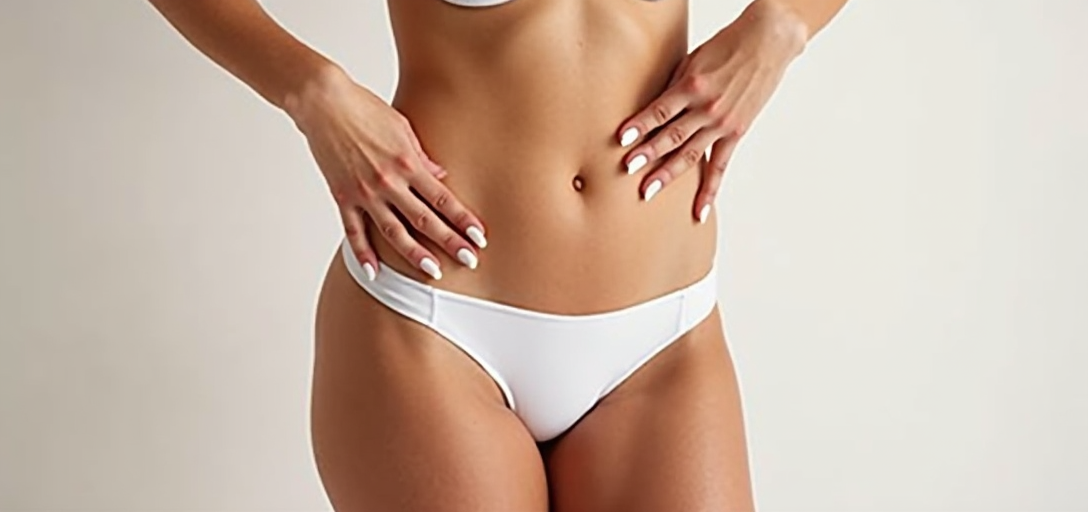
Understanding Cellulite and Its Causes
Cellulite is a common skin condition affecting around 85% of women in the US, often described as a dimpled or lumpy appearance on the skin, primarily on thighs, hips, buttocks, and abdomen. It occurs when fat deposits push through the connective tissue beneath the skin. While harmless, cellulite can be a source of cosmetic concern for many people who seek effective treatment options.
The exact causes of cellulite are multifactorial, including genetic predisposition, lifestyle factors, and hormonal changes. The interplay of these elements can determine the severity and visibility of cellulite on an individual's body.
Popular Cellulite Treatments Ranked from Best to Worst
Liposuction
Liposuction is a surgical procedure commonly considered for fat removal, aiming to improve body contours. While it effectively removes fat layers, it is not the most effective treatment for cellulite as it does not address the fibrous bands causing the dimpled appearance. Furthermore, improper liposuction can sometimes worsen the appearance of cellulite. It's important to understand that liposuction may be ideal for reducing body fat, but its effectiveness for cellulite is limited.
Cellulite Creams and Lotions
Numerous over-the-counter creams and lotions claim to reduce cellulite. These often contain ingredients like caffeine, retinol, or collagen boosters. While they might offer temporary skin tightening and smoothening effects, they are generally not a lasting solution for cellulite. Effectiveness varies significantly among individuals and results are often subtle.
Radiofrequency Treatments
Radiofrequency (RF) treatments are non-invasive procedures that utilize radiofrequency energy to heat the skin and promote collagen production, making the skin firmer and potentially reducing cellulite visibility. Studies have shown that RF treatments can be moderately effective when performed as a series, with noticeable improvements in skin texture and tone. [source](https://www.ncbi.nlm.nih.gov/pmc/articles/PMC9209020/)
Laser Therapy
Laser therapy, such as Cellulaze, targets cellulite by using a laser to break down the fibrous bands beneath the skin. This leads to thickening of the skin, reducing the dimpled appearance associated with cellulite. According to recent research, laser therapy can significantly reduce the appearance of cellulite, resulting in smoother skin lasting for several months. [source](https://www.mayoclinic.org/tests-procedures/cellulite-treatment/about/pac-20384588)
Acoustic Wave Therapy
This therapy uses sound waves to stimulate blood flow and break up cellulite structures under the skin. It is a non-invasive technique and has shown promise in improving skin texture and elasticity. Studies indicate that it can be effective when performed consistently, but results may vary depending on the severity of the cellulite. [source](https://www.ncbi.nlm.nih.gov/pmc/articles/PMC8920658/)
Cryolipolysis
Known commonly as CoolSculpting, cryolipolysis is a non-surgical body contouring procedure that freezes fat cells, allowing the body to naturally eliminate them. While primarily used for fat reduction, it may also improve the appearance of cellulite by reducing underlying fat layers. However, the results are not primarily targeted at cellulite, and its effectiveness can be varied.
Are Natural Remedies Effective?
Many people turn to natural remedies such as dry brushing, coffee scrubs, or massage to combat cellulite. Although these methods can temporarily improve circulation and skin texture, they typically do not offer significant long-term results for cellulite.
Key Considerations Before Choosing a Cellulite Treatment
When considering a treatment for cellulite, it is crucial to assess several factors:
- Consult a Dermatologist: Seeking professional advice will help in understanding the best treatment based on individual skin type and severity of cellulite.
- Understand Expectations: It is vital to have realistic expectations as many treatments provide improvement but do not completely eliminate cellulite.
- Check Credible Sources: Make sure to verify the effectiveness and safety of treatments through reputable medical sources.
- Budget Considerations: Some treatments can be costly, and multiple sessions may be required to see significant results.
Maintaining Results: Lifestyle Changes
While treatments can help reduce cellulite, maintaining results often requires lifestyle changes. Regular exercise, a healthy diet, staying hydrated, and avoiding smoking can help improve skin texture and overall health. Strength training and cardiovascular exercises can reduce body fat and improve muscle tone, potentially reducing the appearance of cellulite.
Conclusion
The variety of cellulite treatments available today means that individuals have several options to consider, based on personal preferences, budget, and specific skin needs. While some treatments can offer effective results, understanding the nature of cellulite and leading a healthy lifestyle are equally important in managing its appearance over the long term.