A Comprehensive Guide to Understanding and Managing Chronic Nasal Polyps
Chronic nasal polyps can cause discomfort and affect breathing, but understanding treatment options can make a difference. This article explores various approaches to managing chronic nasal polyps, including medication, lifestyle changes, and potential surgical interventions.
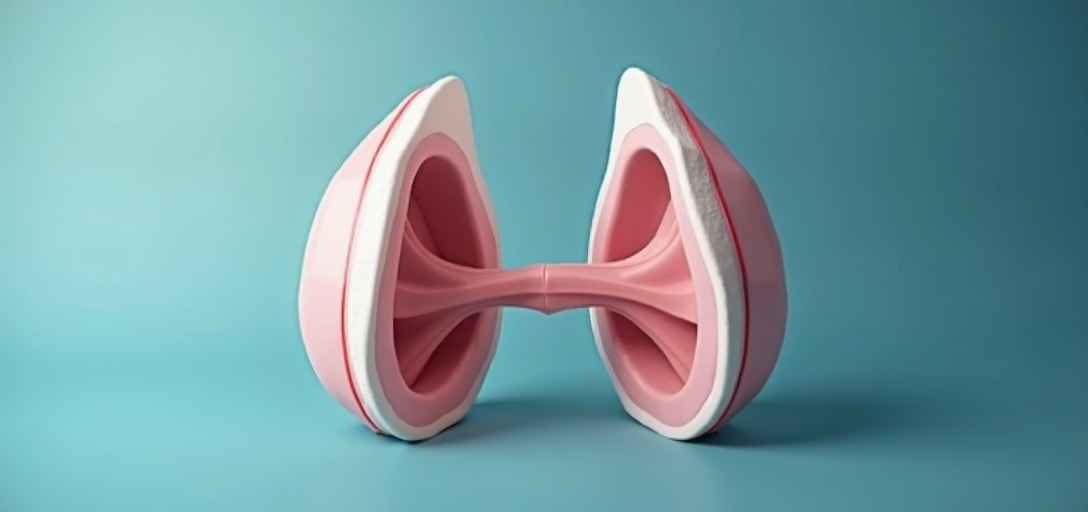
What Are Chronic Nasal Polyps?
Chronic nasal polyps are soft, noncancerous growths that develop on the lining of your nasal passages or sinuses due to chronic inflammation. They are linked to conditions such as asthma, recurring infections, allergies, or immune disorders. While not life-threatening, chronic nasal polyps can significantly impact quality of life by obstructing airflow, reducing the sense of smell, and causing persistent congestion and sinus infections.
According to a 2026 report by the CDC, nasal polyps affect approximately 4% of the US population, emphasizing the need for widespread awareness and treatment options. Early diagnosis and management can make a substantial difference in symptoms and overall health outcomes.
What Causes Nasal Polyps?
The exact cause of nasal polyps remains unclear; however, research indicates they result from chronic inflammation in the sinuses. This inflammation often stems from an immune system response to a variety of triggers, including:
- Chronic or recurrent sinus infections
- Asthma
- Allergic rhinitis (hay fever)
- Sensitivity to aspirin
- Respiratory conditions such as cystic fibrosis
Understanding these triggers is crucial for effective prevention and treatment, as targeting the underlying causes often proves beneficial in managing symptoms and reducing polyp growth.
Symptoms of Chronic Nasal Polyps
Nasal polyps themselves are often painless, but their size and location can lead to bothersome symptoms, including:
- Persistent nasal congestion
- Runny nose
- Postnasal drip
- Reduced sense of smell or taste
- Facial pain or pressure
- Snoring
- Frequent nosebleeds
Symptoms that are persistent or worsen over time warrant a visit to a healthcare professional for diagnosis and tailored treatment solutions.
Diagnosing Nasal Polyps
Diagnosis typically involves a thorough physical exam and a discussion of symptoms. An ENT (ear, nose, and throat) specialist may use a lighted instrument called an endoscope to take a closer look inside the nasal passage. In some cases, CT scans or MRIs might be used to get a better view of the nasal cavity and sinuses. Accurate diagnosis is essential for determining the most effective treatment plan.
Current Treatment Options for Chronic Nasal Polyps
A personalized treatment plan is key to managing chronic nasal polyps effectively. Here are some tried-and-true options:
Medications
One of the first lines of treatment includes medications to shrink the polyps and reduce inflammation. Options include:
- Corticosteroid nasal sprays: Help reduce inflammation and polyp size. These can take a few weeks to show effectiveness.
- Oral corticosteroids: Reserved for more severe cases due to the potential for side effects with long-term use.
- Biologic medications: Such as dupilumab, which has been shown to significantly reduce polyp size and improve symptoms in recent studies.
Surgical Procedures
If medications do not provide sufficient relief, surgery may be considered. The most common surgery, endoscopic sinus surgery, involves removing the polyps and correcting issues related to sinus drainage. It's typically an outpatient procedure, and most people experience a significant improvement in symptoms.
Though effective, surgery does not cure the underlying cause of polyps; postoperative care often includes continued use of nasal corticosteroids to stave off regrowth.
Lifestyle and Home Remedies
Managing nasal polyps often includes lifestyle changes and home remedies such as:
- Using a humidifier to maintain a moist nasal environment
- Rinsing nasal passages with saline to improve mucus clearance
- Avoiding allergens and irritants that trigger inflammation
These measures, along with medical treatment, can enhance quality of life and possibly prevent polyp recurrence.
When to See a Healthcare Provider
Given that nasal polyps often persist or recur, it's crucial to establish and maintain a relationship with a healthcare provider specializing in ENT. They can guide you through managing symptoms, adjusting treatments as needed, and monitoring for potential complications like sleep apnea or frequent sinus infections.
Timely interventions can significantly improve the prognosis and ensure you maintain control over your condition.
https://my.clevelandclinic.org/health/diseases/15250-nasal-polyps
https://www.mayoclinic.org/diseases-conditions/nasal-polyps/symptoms-causes/syc-20351888