A Practical Guide for Seniors: Selling Your Car Safely and Effortlessly
Selling a car as an elderly person can seem daunting, but it can be done safely and easily with the right steps. From choosing a trusted buyer to understanding necessary paperwork, elderly individuals have several options to sell their cars seamlessly while ensuring a good value.
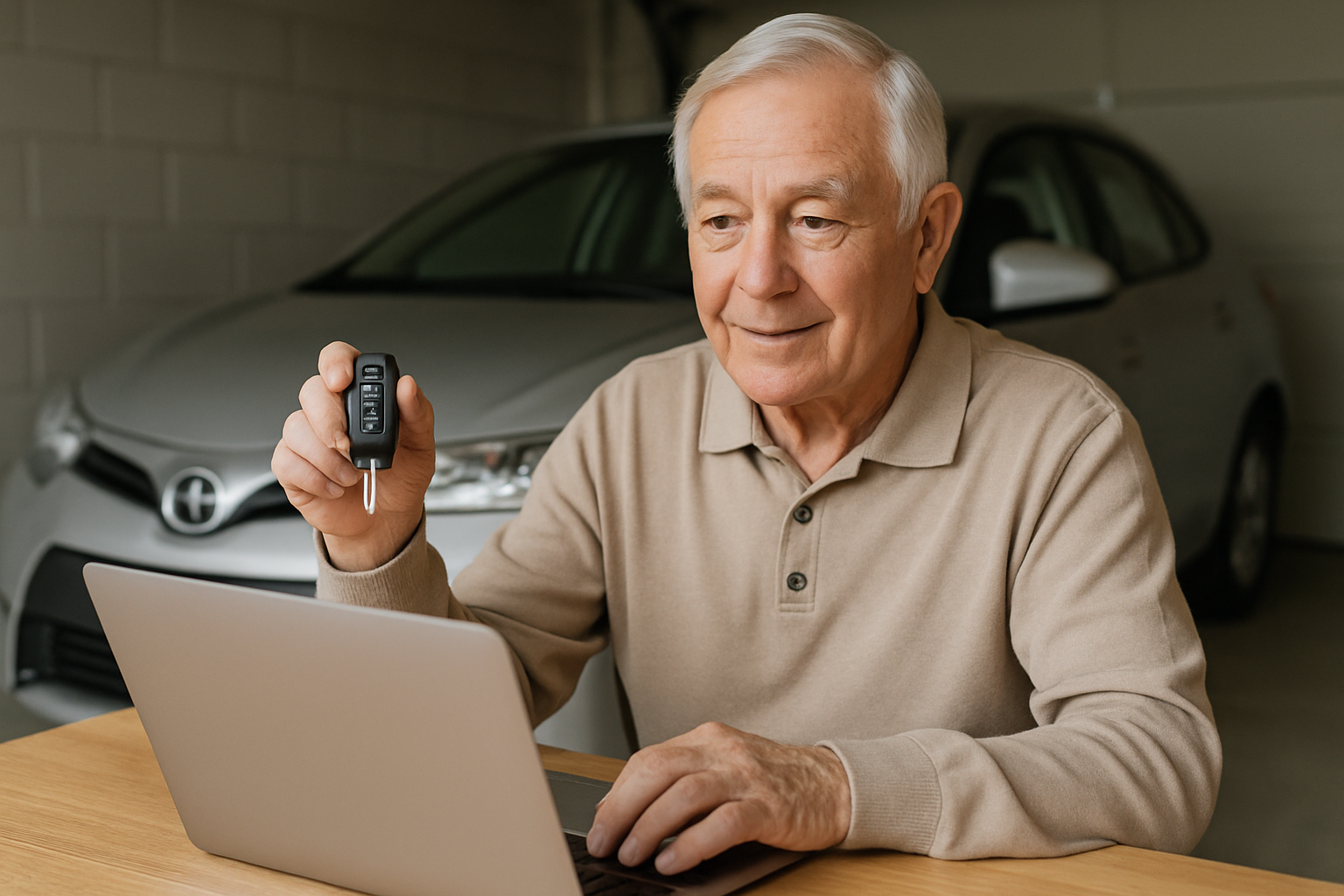
Understanding the Challenges Elderly Face When Selling Their Cars
For many elderly individuals, the decision to sell a car can be both emotional and daunting. Cars often represent a lifetime of memories and independence. However, practical realities such as reduced driving capabilities, maintenance costs, and insurance premiums might necessitate selling the vehicle. Understanding the unique challenges faced by seniors can help make the process smoother and less stressful.
Physical limitations may make traditional methods of selling, such as meeting buyers or dealers, more difficult. Additionally, the digital ad landscape, although useful, can be overwhelming for those not tech-savvy. Ensuring scams and unfair deals are avoided requires additional layers of trust and guidance that these individuals might not be familiar with.
Steps to Selling a Car Safely and Easily
There are various steps elderly individuals can take to ensure their car selling process is both safe and straightforward.
1. Evaluating the Car's Worth
Before putting a car on the market, it’s essential to understand its value. Elderly individuals can use online tools such as Kelley Blue Book or Edmunds to assess the market value of their vehicle. It's beneficial to input the make, model, mileage, and condition to get an accurate estimate.
If online methods feel intimidating, consider visiting a local mechanic or car appraiser who can offer an expert analysis. Having a precise valuation not only helps in setting a fair asking price but also protects against undervaluation scams.
2. Gathering Necessary Documentation
Having all necessary documents in place is crucial for a smooth sale:
- Title and Ownership Proof: Ensure the car title is clear and in possession. If it's misplaced, contact the local DMV for a replacement.
- Maintenance Records: These records enhance trust with the potential buyer, showing the car has been well-maintained.
- Bill of Sale: A legal document that records the transaction. Templates can be easily found online or through local vehicle registration offices.
- Smog Certification: Required in many states, this certificate ensures the car meets emissions standards.
3. Choosing a Secure Selling Platform
Several selling platforms cater specifically to seniors and can offer hassle-free and secure transactions:
- Online Marketplaces: Websites like AutoTrader and Cars.com cater to broad audiences and provide secure communication portals, reducing scam risks.
- Local Dealerships: Many dealerships offer buyback programs, providing an effortless option with immediate payment.
- Senior-Centric Services: Companies like CarMax and Carvana offer easy, customer-friendly interfaces and even home visits for car appraisals, which can be particularly beneficial for those with mobility issues.
4. Ensuring Personal Safety
Personal safety remains a top priority. Here are some guidelines:
- Meeting in Public Locations: Preferably at a police station or a crowded public area to conduct transactions or test drives.
- Bringing a Companion: Having a friend or family member present can increase safety and provide additional support.
- Verification of Buyer: Ask for identification and trust your instincts. If something feels off, it's okay to decline the meeting.
5. Closing the Deal
Once a buyer is found, agreeing on the price and finalizing the sale is next. Ensure payment is done through certified checks or cash to minimize fraud risk. Once the transaction is complete:
- Transfer of Title: Officially sign over the title to the new owner as per state laws.
- License Plate and Registration: Keep the license plates and inform the DMV of the sale to prevent future liabilities.
- Notify Insurance Company: Cancel the car insurance once the transaction is complete to avoid unnecessary payments.
Additional Resources and Support for Seniors
Many seniors may benefit from additional support through various resources and programs:
- AARP Car Selling Program: Offers discounts and streamlined processes for senior sales.
- Edmunds Car Selling Advice: Comprehensive guides and expert insights for selling cars.
- Seniors Lifestyle Magazine: Articles on vehicle safety and senior mobility.
Various local senior centers often offer workshops or programs to support elderly individuals in navigating the complexities of selling cars, ensuring they stay informed and empowered throughout the process.
Conclusion: Embracing the Transition
While selling a car can seem overwhelming for elderly individuals, being informed and prepared eases the journey significantly. By assessing the car’s worth accurately, maintaining safety protocols, and utilizing supportive resources, seniors can transition smoothly, ensuring both financial and personal security. With the right approaches, selling a vehicle can evolve from an intimidating task into a manageable and empowering experience.
https://www.aarp.org/auto/car-maintenance-safety/preparing-car-sale/
https://www.aarp.org/auto/when-selling-car-hikes-your-insurance/
https://www.exoticcartrader.com/blog/edmunds-sell-my-car