A Practical Guide to Accurately Estimating Your Home’s Selling Price
Want to know how to estimate a house selling price accurately? Dive into our expert strategies that guide you through assessing market trends and property features. Though estimates can vary, our insights will help you set a realistic range, ensuring a smoother selling process.
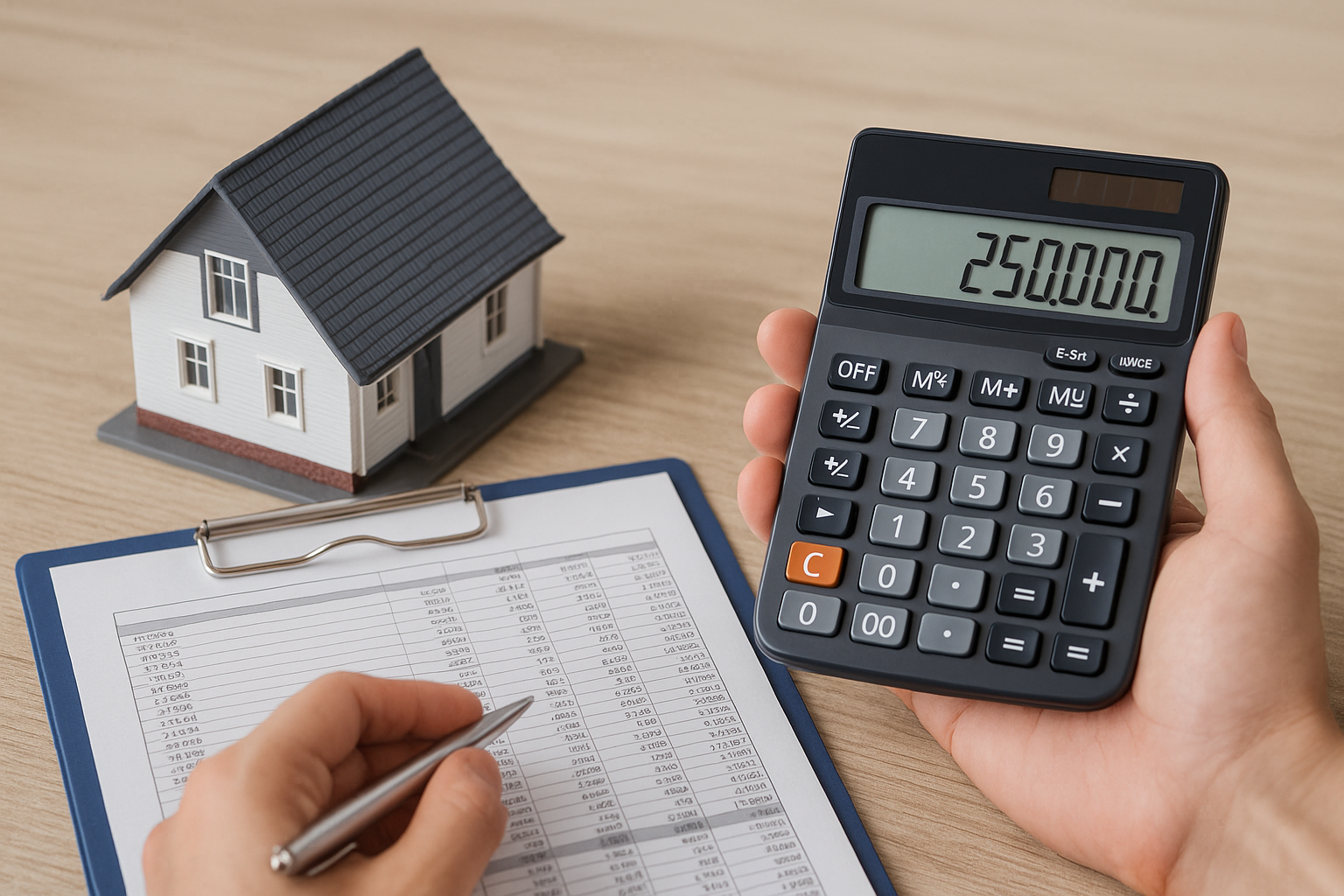
Understanding the Basics of Estimating a House Selling Price
When it comes to selling your home, determining an accurate selling price is crucial. The right price attracts potential buyers, while an incorrect one can leave your house lingering unsold. Understanding the key elements that influence your home's value not only helps in setting a competitive price but also ensures you achieve your financial goals.
Key Factors Influencing Home Prices
Estimating a house selling price involves considering several factors. Here are some of the most important:
- Location: A home's location is a major primary driver of its value. Properties in areas with higher demand often fetch higher prices.
- Size and Layout: The square footage, number of bedrooms and bathrooms, and overall layout can significantly impact a home's selling price.
- Condition: Homes that are well-maintained or recently renovated tend to sell for more than those in need of serious repairs.
- Market Conditions: The real estate market's overall health can influence selling prices. In a buyer's market, there may be more negotiation on price points compared to a seller's market.
According to a 2026 report by the National Association of Realtors, location alone can account for up to 50% of a property's total value. [NAR 2026]
Researching Comparable Sales
One of the best ways to estimate a property's selling price is through researching comparable sales, or "comps." This involves analyzing the sale prices of similar properties in your area. Here's how to get started:
Steps to Research Comps
- Identify Similar Properties: Look for homes that match yours in terms of size, age, location, and condition.
- Consider Recent Sales: Limit your search to homes sold within the last six months to ensure the data reflects current market trends.
- Adjust for Differences: Note any differences in features, such as a new kitchen or a finished basement, and adjust your price estimation accordingly.
Online real estate platforms can be a useful resource for this research. Websites like Zillow or Realtor.com provide recent sales data and estimated property values in many regions. [Zillow Research 2026]
Utilizing Online Valuation Tools
Online valuation tools are another helpful way to estimate your home's value. These tools use algorithms that consider various factors, including recent sales data and regional market trends. While they provide a quick estimate, they might not be as accurate as a professional appraiser.
Popular Online Tools
- Zillow's Zestimate: One of the most commonly used tools, offering insights into suspected house values.
- Redfin Estimate: Known for using MLS data, it provides a detailed estimate based on recent sales.
- Realtor.com My Home: Offers a personalized report on home valuation by comparing it with neighborhood homes.
Remember, while these tools offer a starting point, it's wise to pair them with other methods for an accurate estimation.
Considering a Professional Appraisal
For the most precise estimation of a house's selling price, a professional appraisal is invaluable. An appraiser evaluates your home based on a comprehensive analysis of its features, location, and current market conditions.
Benefits of an Appraisal
- Expert Opinion: Appraisers are skilled in evaluating homes and providing an unbiased assessment of their worth.
- In-depth Analysis: They account for all aspects of the property, providing an accurate market value estimate.
- Negotiation Leverage: Having an appraisal report can be a powerful tool during negotiations.
While a professional appraisal can cost anywhere from $300 to $600, the investment is often worthwhile for those serious about setting a competitive, well-informed selling price. According to The Appraisal Institute, appraisals provide sellers with a significant return on investment by avoiding overpriced listings that fail to attract offers. [Appraisal Institute 2026]
Setting Your Price
Once you've gathered all the necessary information, use it to determine a competitive listing price. Here are some tips to help you make the final decision:
Finalizing Your House Selling Price
- Analyze Data: Put together your findings from comps, online tools, and appraisals to determine a realistic range.
- Consider Market Trends: Stay informed about current market conditions — are prices rising or falling?
- Be Prepared to Negotiate: Price low enough to attract offers, but high enough to give room for negotiation.
Treat your price like any other marketing decision — strategic yet adaptable. A well-priced home not only captures interest but also fosters smooth, successful transactions.