A Simple Guide to Safely Cleaning Your Hearing Aids
Discover expert tips on how to clean hearing aids without ruining them. Keeping your devices in top condition is crucial for optimal performance. Learn the dos and don'ts of cleaning hearing aids to maintain their longevity.
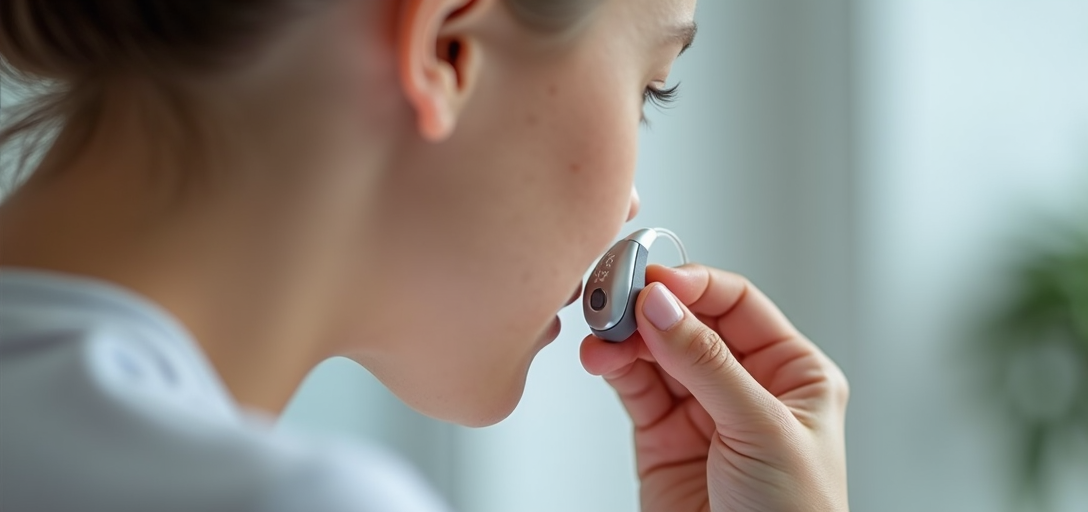
Understanding Hearing Aids
Hearing aids are intricate devices designed to amplify sound for individuals who are hard of hearing. These small electronics can be quite a financial investment, with prices ranging from several hundred to several thousand dollars depending on the model and features.
Due to their importance and cost, maintaining hearing aids properly is crucial. Regular cleaning is a key aspect of this maintenance. Improper cleaning can not only diminish their effectiveness but can also result in costly repairs or replacements.
Components of Hearing Aids
To clean your hearing aids effectively, it is essential to understand their various components:
- Microphone: Captures sound from the environment. Needs to be clear of debris for optimal performance.
- Speaker: Delivers the sound to your ear. Wax buildup can block the sound.
- Battery compartment: Ensures your device has power. Must be free from moisture.
Why Cleaning is Essential
Regular cleaning of hearing aids can prevent common issues such as muffled sound, feedback, and device failure. Accumulated earwax and debris can lead to sound discrepancies and health issues. According to a 2026 study by the American Speech-Language-Hearing Association (ASHA), clean hearing aids lead to a 15% improvement in user satisfaction and sound clarity (ASHA).
Preventive Measures
Avoid exposing your hearing aids to extreme temperatures, moisture, or chemicals. Remove them before showering, swimming, or applying hairspray and perfume, as these can damage the device.
Step-by-Step: How to Clean Hearing Aids Without Ruining Them
Here’s a detailed guide to cleaning your hearing aids safely, based on the latest best practices:
Daily Cleaning Routine
- Step 1: Use a clean, dry cloth to wipe down the surface of your hearing aids every night. This helps to remove earwax and moisture.
- Step 2: Check for wax buildup in the microphone and speaker areas. A small brush, often provided with your aids, can gently remove wax and debris.
- Step 3: Open the battery door to allow moisture to escape, prolonging battery life and enhancing device performance.
Weekly Cleaning Routine
Set aside time each week for a more thorough cleaning:
- Step 1: Use a wax pick or loop to clean out any earwax from the speaker tip or the receiver.
- Step 2: Ensure the microphone openings are clear. Avoid using sharp objects that could damage the device.
- Step 3: Replace the wax guard if your hearing aid model includes one. This part helps prevent wax from reaching the internal components.
Common Mistakes to Avoid
Avoid these pitfalls to prevent damage to your hearing aids:
- Using water: Never use water or cleaning fluids, which can cause electronic components to malfunction.
- Excess force: Avoid applying too much pressure when cleaning the microphone or speaker as the components are delicate.
Professional Maintenance
While personal maintenance is crucial, professional cleanings should not be overlooked. Audiologists recommend bi-annual professional checks to ensure your hearing aids are functioning at their best. According to a 2026 report by Hearing Health Foundation, regular professional maintenance can extend the life of hearing aids by up to 20% (Hearing Health Foundation).
Choosing the Right Cleaning Tools
Using the correct tools is important for effective cleaning. Here are some suggested items:
- Soft, dry cloth: For exterior cleaning.
- Hearing aid cleaning brush: Often comes with your hearing aid and is designed for small parts.
- Wax loop or pick: For removing stubborn earwax.
Conclusion
Maintaining your hearing aids through regular cleaning not only enhances their performance but also extends their lifespan. By following these guidelines, you can keep your hearing aids in top condition, ensuring they serve you well for years to come. For personalized advice, consult with your audiologist, who can provide tailored cleaning routines and professional maintenance recommendations.