A Step-by-Step Guide to Driving for Uber Without Owning a Car
Discover how you can begin driving for Uber without owning a car today. This guide offers practical steps to help you get started with Uber using vehicle leasing options, providing flexibility without the commitment of purchasing.
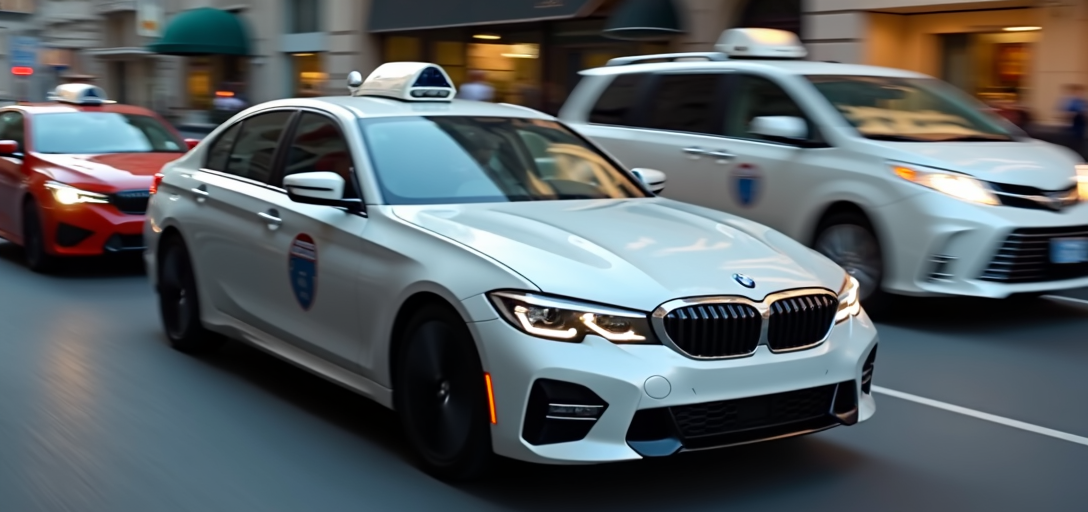
Understanding the Basics: Driving for Uber Without Owning a Car
Driving for Uber has become an increasingly popular way to earn income in the gig economy. But what if you don't own a car? Fortunately, there are several ways you can start driving for Uber without having one. In this article, we'll discuss the options available, how they work, and what to consider before diving into this opportunity.
Exploring Vehicle Solutions
Several options are available for prospective Uber drivers who don't own a car. The most common solutions include renting a car, leasing a car, or joining Uber’s vehicle programs. Let's explore these in detail:
1. Uber's Vehicle Solutions Program
Uber offers a program known as the Vehicle Solutions Program that partners with car rental companies to offer affordable rental options to drivers.
- Uber Xchange Leasing Program: Available in select markets, this program provides flexible leases with the option to switch cars or lease terms after a specified period. However, note that Uber discontinued the Xchange Leasing program in 2020 in some locations, so availability may vary.
- Uber Hertz Rental Partnership: The partnership with Hertz allows drivers to rent cars on a weekly basis. Usually, the rental comes with insurance and basic maintenance, making it an attractive choice for new drivers.
2. Third-Party Rental Services
Numerous rental services cater to rideshare drivers. These services provide flexible rental periods and often include insurance and maintenance in their packages:
- HyreCar: Specifically designed for rideshare drivers, HyreCar allows you to find cars for rent from a network of private owners and fleet managers. You can book cars on a daily, weekly, or monthly basis.
- Getaround: This peer-to-peer car-sharing service offers flexible short-term rentals ideal for Uber drivers. If you're interested in sustainable options, Getaround has electric vehicles available in certain markets.
3. Leasing a Vehicle
Leasing is another viable option for those lacking a vehicle. Many car dealerships or financial services offer leases that don't require immediate huge down payments:
- Flexibility: Leasing offers flexible payment options allowing you to drive a newer vehicle without committing to ownership. Be sure to understand mileage limits and other terms that may affect your earnings.
- Upgrade Choices: Leases may offer options to upgrade to newer models as they become available, aligning with Uber's vehicle age requirements.
Considerations and Costs
The decision to rent or lease involves understanding various cost considerations, such as:
- Rental Costs: Rental fees can range from $180 to $250 per week depending on the city and rental service {'['}Forbes{'']'}
- Insurance: Some rentals include insurance, but if not, obtaining rideshare insurance is critical for protection and compliance with Uber’s policy requirements.
- Fuel Efficiency: Consider the type of vehicle and its fuel efficiency as gas prices can significantly impact your net earnings.
Driving Testimonials
Real-world testimonials from drivers who have used rental services help illustrate how these arrangements work:
"I started driving for Uber with a rental car from Hertz. The process was straightforward and allowed me to start earning without worrying about maintenance or depreciation." — James, New York.
"Leasing through Uber's program helped me drive a newer, consistent model every few years, which ensured I met the city vehicle standards and provided safety and comfort for riders." — Lisa, Chicago.
Pros and Cons: Making an Informed Decision
Before deciding, weigh the pros and cons based on your financial situation, driving habits, and future plans:
Pros
- No Ownership Responsibility: Avoid depreciation, and repair costs associated with car ownership.
- Start Earning Quickly: Rental options enable you to begin driving soon after registration and approval.
- Flexibility: Choose rental or lease periods that align with your personal and financial goals.
Cons
- Ongoing Payments: Weekly rental or lease payments can be higher than owning, potentially affecting your earnings.
- Variable Availability: Not all programs are available in every city, and terms can vary greatly.
- Limited Control: Restrictions on mileage and usage might limit longer trips outside the city.
Conclusion: Taking the Next Steps
Driving for Uber without owning a car is not only possible but can be highly beneficial for individuals seeking flexibility and a supplemental income source. By evaluating the options mentioned and considering personal financial circumstances, aspiring Uber drivers can make informed decisions that best suit their lifestyle.
For updated regulations, costs, and options, always refer directly to Uber's official resources and stay informed through reliable news outlets to navigate these opportunities effectively.