Are Uber Drivers Really Covered? Understanding the Insurance Gap Between Rides
Uber drivers may face an insurance gap between rides, potentially leaving them at risk. Discover how these gaps occur and what you can do to protect yourself. This insightful piece explores the nuances of coverage and sheds light on ways to navigate the insurance landscape as a rideshare driver.
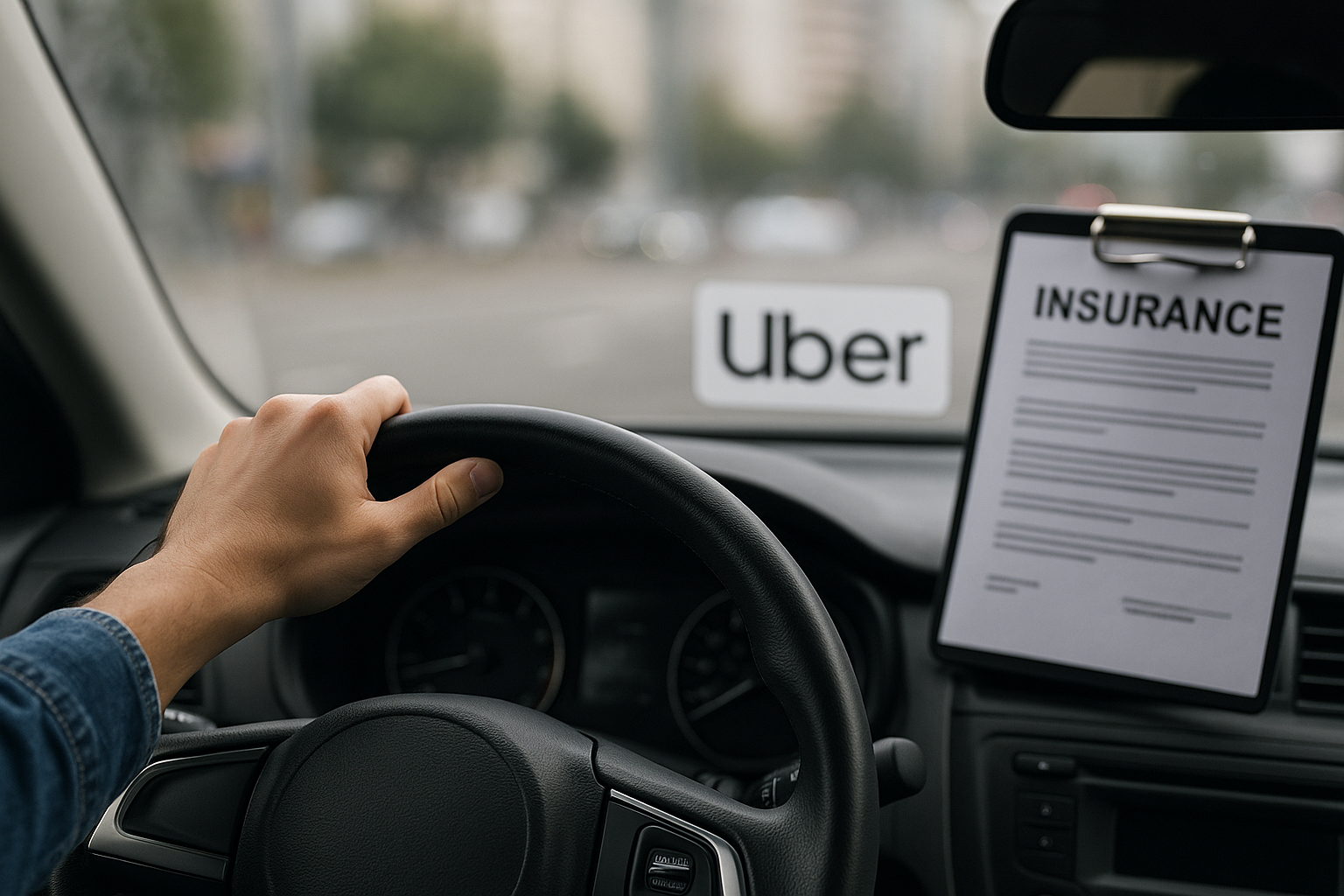
The Insurance Gap: Understanding Coverage for Uber Drivers
As an Uber driver, your primary focus is likely on providing excellent service and maximizing your earnings. However, one aspect that can often be overlooked is the topic of insurance coverage while driving. A potential insurance gap exists between the times you are waiting for ride requests, which could leave you financially vulnerable in the event of an accident. Let's explore the finer details of this issue and how you can protect yourself as an Uber driver in 2026.
What Is an Insurance Gap?
An insurance gap occurs when there is a period during which you are not fully covered by an insurance policy. For Uber drivers, this gap often arises between rides since standard personal insurance policies typically do not cover ridesharing activities, and Uber's insurance might not fully kick in until certain conditions are met.
Stages of Insurance Coverage for Uber Drivers
Understanding the stages of insurance coverage while driving for Uber is crucial to identifying potential gaps. The insurance coverage can be broken down into three main periods:
- Period 1: The app is on, but no ride has been accepted. During this period, personal auto insurance often does not cover accidents, and Uber's contingent liability coverage is limited, typically offering only third-party liability coverage. As of 2026, Uber's coverage in this situation is USD 50,000 per person for bodily injury, up to USD 100,000 per accident, and USD 25,000 for property damage.
- Period 2: Ride accepted, but the passenger is not yet in the vehicle. During this period, Uber provides a higher level of insurance coverage, including liability and uninsured/underinsured motorist bodily injury coverage, as well as contingent comprehensive and collision coverage, if you have your own collision coverage.
- Period 3: Passenger is in the vehicle until the ride is completed. This period receives the most comprehensive coverage under Uber's policy, including full liability, uninsured/underinsured bodily injury, and contingent comprehensive and collision coverage, again contingent on the driver having this coverage.
The Risks of Operating Without Full Coverage
Driving with an insurance gap exposes you to substantial risks. In an unfortunate case of an accident during Period 1, you might be responsible for covering damages out-of-pocket, especially if the damages exceed Uber's limited coverage. A recent study published in 2026 by the Insurance Information Institute highlights that out-of-pocket costs can reach tens of thousands of dollars for uninsured losses, emphasizing the importance of adequate coverage.
Why Personal Auto Insurance Isn't Enough
Personal auto insurance often excludes coverage for any incidents that occur while the vehicle is used for commercial purposes, including ridesharing. This exclusion leaves a noticeable gap, especially during those times when you are waiting for a ride request.
Protecting Yourself with Rideshare Insurance
To fill these coverage gaps, many insurance companies now offer specific rideshare insurance policies. These policies are designed to bridge the gap and provide necessary coverage during all periods of a ridesharing shift. Key benefits include:
- Seamless Coverage: Ensures you are covered at all times, including Period 1 when using the app without an active ride.
- Liability and Comprehensive Options: Provides options for various types of coverage just like your personal policy.
- Peace of Mind: Eliminates the worry of potential financial risks associated with inadequate insurance coverage.
Latest Developments in Rideshare Insurance
Insurance companies are continually adapting to the needs of rideshare drivers. In 2026, some insurers have introduced usage-based rideshare insurance policies where premiums are calculated based on driving habits and distance, thus offering a cost-effective solution for those concerned about high insurance costs. According to a 2026 report by the National Association of Insurance Commissioners (NAIC), these telematics-driven policies have seen increased popularity among drivers seeking tailored and affordable options.
Steps Uber Drivers Can Take
If you're an Uber driver looking to adequately protect yourself, consider the following steps:
- Contact an Insurance Agent: Discuss your needs with an insurance professional to understand the best options for you.
- Research Rideshare Policies: Compare offerings from different insurers to find a policy that provides comprehensive coverage at a reasonable cost.
- Review Your Coverage Regularly: Keep up-to-date with changes in policy terms and conditions, particularly those affecting rideshare drivers.
Conclusion: Stay Informed and Protected
It's crucial for Uber drivers to recognize the potential for an insurance gap and take proactive steps to ensure full protection. By understanding your coverage periods and purchasing rideshare insurance, you can mitigate risks and focus on what you do best — driving safely and efficiently. Keeping informed about the latest insurance products in 2026 will better prepare you for any situations you might face while on the road.