Ashley’s Guide to Smart Storage Solutions for Seniors
Discover Ashley's smart storage options for seniors that make organizing a breeze. This article explores creative ways to maximize space without the need for extensive renovation.
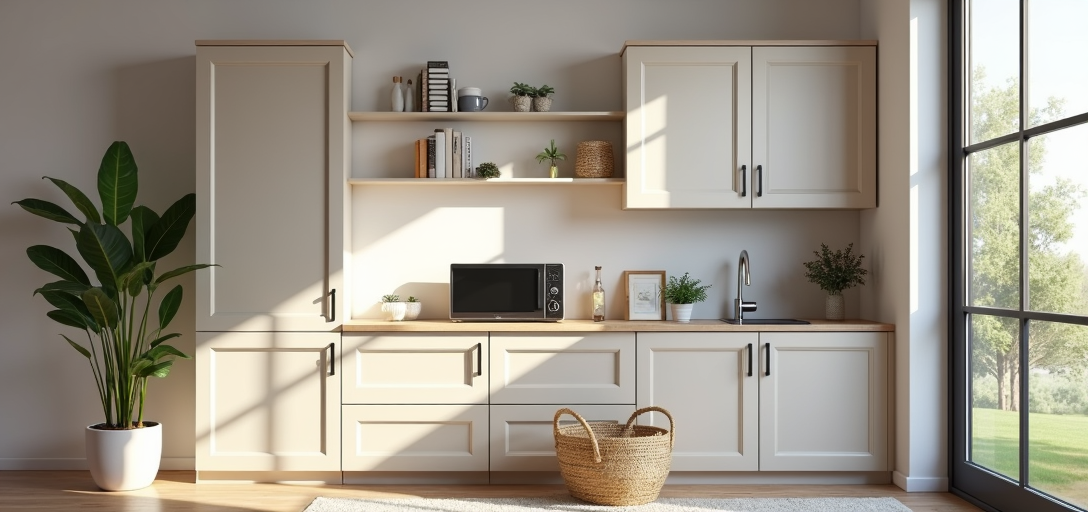
Understanding Smart Storage Solutions for Seniors
Navigating the complexities of home organization can be challenging, particularly for seniors who may face mobility limitations or downsizing challenges. "Ashley's Smart Storage Options For Seniors" seeks to provide solutions that increase accessibility and functionality while enhancing safety and convenience. Let's explore the benefits, considerations, and implementations of smart storage tailored specifically for seniors.
Why Are Smart Storage Options Important for Seniors?
With age, physical ability often decreases, making it harder for seniors to reach high places, bend down for lower drawers, or safely manage heavy items. Smart storage solutions can address these issues by:
- Enhancing Accessibility: Utilizing designs that bring contents to arm's length eliminates the need for stretching or bending.
- Improving Safety: Preventing clutter reduces tripping hazards, and organized spaces minimize the risk of accidents.
- Facilitating Independence: Efficient storage enables seniors to handle daily tasks without relying heavily on others.
Key Features of Smart Storage for Seniors
When designing storage solutions, it's essential to integrate features that cater to seniors' unique needs. Here are a few components to consider:
- Pull-Down Shelving: These systems allow shelves to be easily lowered, bringing items to a manageable level.
- Swivel or Lazy Susan Cabinets: These help in accessing items stored at the back of shelves with minimal effort.
- Drawer Dividers and Organizers: Helps in keeping small items in place, reducing the need to dig through clutter.
- Motion-Activated Lighting: Illuminates spaces automatically, enhancing visibility and reducing the risk of falls.
Real-World Examples and Implementations
Let’s delve into examples of homes that have successfully embraced smart storage solutions:
In a recent renovation project in Sarasota, Florida, a couple in their late 70s revamped their kitchen by incorporating pull-out pantry shelves and a customized corner cabinet. The adjusted layout allowed them to access heavy pots and pans easily, reducing strain and increasing their ability to prepare meals independently. They also installed under-cabinet lighting, adding to kitchen safety and functionality.
Planning and Customizing Storage Spaces
Choosing suitable storage solutions involves careful planning and personalization to cater to specific needs. Here’s how to proceed:
1. Assess Current and Future Needs
Begin by evaluating what you currently use and foresee needing. Take into account any expected changes in mobility or health. A senior might not currently need a wheelchair, for example, but planning for wider pathways and accessible storage can future-proof the home.
2. Prioritize Key Areas
Identify spaces that require the most improvement, such as cluttered kitchens, disorganized closets, or inaccessible bathrooms. Start with the most frequently used areas to maximize impact.
3. Consult Professionals
Seniors or their caregivers should consider engaging with professionals specializing in home modifications. Organizations like the National Association of Home Builders (NAHB) provide certifications for specialists who can suggest optimal solutions tailored to safety and accessibility.
4. Implement Incremental Changes
Gradual implementation allows for a smoother transition and helps in managing costs. Start with affordable changes like adding drawer dividers or installing pull-down racks, then move to more significant modifications as needed.
Current Trends in Senior-Friendly Designs
As of 2026, there is an increasing emphasis on incorporating technology with traditional storage options. This trend ensures homes are adaptable to the evolving needs of senior residents. Here are some trends to keep in mind:
Smart Home Integration
Smart storage is not just about physical spaces; it's also about integrating technology for ease of use. Recent innovations include voice-activated cabinets and app-controlled lighting systems, offering additional layers of convenience.
Sustainability and Eco-Friendly Materials
There's a growing demand for sustainable and eco-friendly options. Choosing materials like bamboo, which is both durable and renewable, is an emerging choice for those wanting environmentally conscious designs.
Multi-Functional Furniture
The trend towards minimalism has led to the development of multi-functional furniture, such as beds with under-storage or coffee tables that convert into work desks. For seniors, this means more options to keep living spaces open and adaptable.
Conclusion
Implementing smart storage solutions can dramatically improve the quality of life for seniors, promoting safety, accessibility, and independence within the home. By assessing needs, consulting experts, and staying informed on the latest trends and technologies, you can create a home environment that supports and enhances the lifestyle of older adults.
For further insights on smart storage solutions and senior-friendly home designs, explore resources from AARP and the U.S. Department of Housing and Urban Development.