Assessing Insurance Needs: Should Seniors Maintain Full Coverage on an Older Vehicle?
Curious if seniors require full coverage on a 10yearold car? While maintaining full coverage might offer peace of mind, it's worth evaluating cost versus necessity. Older vehicles often depreciate, potentially lowering insurance needs.
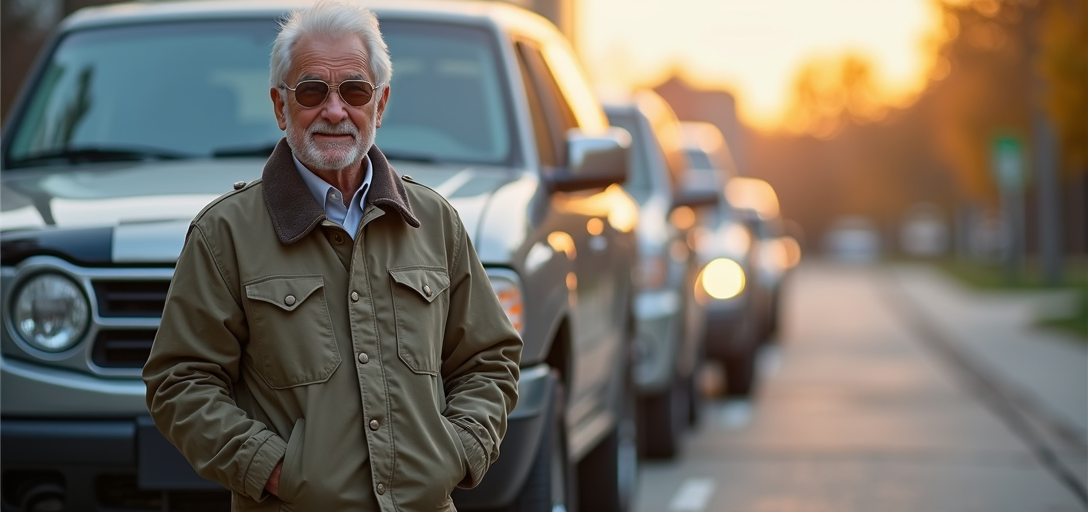
Understanding Car Insurance Needs for Seniors
Deciding on the type and amount of car insurance coverage can be tricky, especially for seniors who own 10-year-old vehicles. This article explores whether seniors need full coverage on such cars and highlights the key considerations influencing this decision.
Types of Car Insurance Coverage
Before discussing the needs specific to seniors, it’s essential to understand the various car insurance coverage types available:
- Liability Insurance: Covers damages and injuries inflicted on others in the event of an accident deemed to be the policyholder's fault.
- Collision Coverage: Pays for damages to the policyholder's car resulting from a collision, regardless of who is at fault.
- Comprehensive Coverage: Protects against non-collision-related incidents such as theft, vandalism, or natural disasters.
- Uninsured/Underinsured Motorist Coverage: Covers injuries and property damage from an accident involving an uninsured or underinsured driver.
Evaluating Car Value and Insurance Needs
The Financial Aspect
One of the first steps seniors should take when evaluating the need for full coverage on their 10-year-old car is assessing the vehicle's value. Typically, the insurance cost should not exceed 10% of the car's market value. If the value of a car is low, maintaining full coverage might not be cost-effective.
According to a recent Kelley Blue Book report in 2026, the average depreciation for vehicles of this age significantly impacts their resale value, often reducing it to a fraction of the original purchase price.
Consideration of Driving Habits
Driving habits play a crucial role in deciding the need for full coverage. Seniors driving their vehicles less frequently or only for essential errands might opt for less comprehensive insurance.
- A report by the Insurance Information Institute in 2026 suggests that reduced mileage can often lead to eligibility for low-mileage discounts, influencing insurance choices.
- Those primarily using public transport or who have alternative mobility options might not find full coverage necessary.
The Risks Associated with Older Vehicles
Older vehicles might be more prone to breakdowns and require more maintenance, which is an essential consideration when deciding on coverage. However, some coverage options specific to breakdowns might be redundant if seniors have extended warranties or roadside assistance.
According to a 2026 Consumer Reports article, the average maintenance costs rise with vehicle age, but investing in comprehensive insurance for mechanical failures doesn’t always justify the expense, especially if the car's value doesn't align with potential repair costs.
Factoring Personal Finances into the Equation
Personal financial stability heavily influences the decision to maintain full coverage:
- Financially stable seniors might choose to set aside funds for potential repairs rather than paying for high insurance premiums.
- Conversely, those on a tighter budget might find ongoing coverage essential to avoid sudden large expenses.
Insurance experts often suggest that the decision should ideally balance roadside coverage with other essential personal expenses, ensuring seniors avoid financial strain.
Legal Considerations and State Requirements
State laws dictate the minimum liability coverage required. While this does not involve full coverage options, it ensures that all drivers have a safety net.
The National Highway Traffic Safety Administration emphasizes that seniors should double-check state-specific requirements for liability insurance to comply with minimum legal standards.
Real-World Examples: When Full Coverage is Beneficial
Consider a scenario where a senior resides in a region prone to severe weather conditions, leading to potential risks like hail damage or flooding. Comprehensive coverage could be beneficial in such cases, outweighing the costs by preparing for unpredictable events.
Furthermore, in urban settings where accidents might be more frequent, having collision coverage could prevent unforeseen financial burdens after an accident.
Conclusion: Tailoring Coverage to Individual Needs
The decision on whether seniors need full coverage for a 10-year-old car should be based on personalized assessments of value, driving habits, financial situation, and potential risks. Ideally, seniors should engage with an insurance advisor to create a policy that reflects their unique requirements.
With thoughtful analysis and consideration, seniors can ensure they have the right amount of coverage, sufficiently protecting their interests without stretching financial limits.
For further guidance, individuals can refer to resources such as The Insurance Institute for Highway Safety and The National Association of Insurance Commissioners.