Best Foods to Soothe Your Gut During an IBS Flare-up
Discover tips on what to eat when IBS flares up and manage those uncomfortable moments better. While everyone's triggers are unique, focusing on gentle foods during an IBS flareup can help ease symptoms.
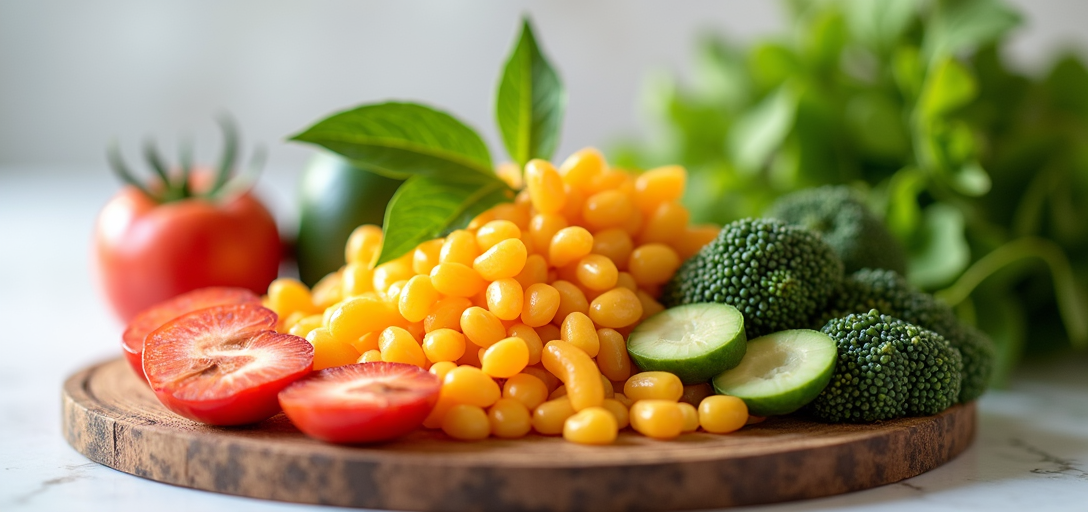
Understanding IBS and Its Impact on Diet
Irritable Bowel Syndrome (IBS) is a common disorder that affects the large intestine. Over 10% of the US population is estimated to suffer from IBS, which can lead to symptoms like cramping, stomach pain, bloating, gas, diarrhea, and constipation. It's essential for individuals with IBS to manage their diet carefully to keep flare-ups under control, especially during episodes.
Why Does IBS Flare Up?
The causes of IBS are not completely understood, but factors such as diet, stress, and changes in gut bacteria are thought to play a role. During flare-ups, the digestive system is especially sensitive, and certain foods can trigger or worsen symptoms. Knowing which foods exacerbate symptoms is crucial in managing IBS effectively.
What to Eat During an IBS Flare-Up?
When experiencing a flare-up, it's important to focus on foods that are gentle on the digestive system. These foods can help soothe symptoms and promote digestion without triggering further discomfort.
Low-FODMAP Foods
The low-FODMAP diet is a dietary approach that reduces the intake of certain carbohydrates that are known to trigger IBS symptoms. Here are some safe bets during a flare-up:
- Proteins: Lean meats such as chicken, turkey, and fish.
- Vegetables: Carrots, potatoes, zucchini, and spinach (cooked for easier digestion).
- Fruits: Bananas, blueberries, and strawberries.
- Grains: Gluten-free oats, white rice, and quinoa.
Hydration is Key
Staying hydrated is crucial, especially during an IBS flare-up. Water should be the go-to option, but herbal teas such as peppermint or chamomile can also be soothing. These teas can relax the digestive tract and reduce painful cramping. However, avoid caffeinated beverages as they may worsen symptoms.
Probiotic Foods
Probiotics can aid in maintaining a healthy balance of gut bacteria, which is essential for managing IBS. Foods like yogurt containing live cultures, kefir, and fermented vegetables can promote gut health. However, it’s best to introduce these slowly to ensure they don't further irritate the digestive system.
What Foods to Avoid During an IBS Flare-Up?
Certain foods are known to trigger IBS symptoms and should be avoided especially during flare-ups.
High-FODMAP Foods
High-FODMAP foods can exacerbate IBS symptoms due to their fermentable nature. Here are examples of what to avoid:
- Processed Foods: Including packaged snacks like chips and cookies, which often contain artificial preservatives and flavorings.
- Fatty Foods: Such as fried foods, which can slow down digestion and increase discomfort.
- Dairy Products: Milk, soft cheeses, and ice cream can be problematic due to lactose intolerance often seen in IBS patients.
- Certain Vegetables: Broccoli, cauliflower, onions, and cabbage are known to produce gas and increase bloating.
Strategies for Managing IBS Flare-Ups
Beyond dietary adjustments, there are several strategies one can employ to better manage IBS flare-ups.
Mindful Eating
Mindful eating involves eating slowly, chewing intentionally, and acknowledging the foods you consume. This practice aids digestion and may help mitigate symptoms during a flare-up. Avoid eating while stressed or rushing, as this may worsen symptoms.
Regular Exercise
Exercise can help reduce the severity of IBS symptoms by promoting regular bowel movements and reducing stress. Activities such as walking, yoga, and swimming are gentle on the body and effective for symptom management.
Stress Management Techniques
Stress is a significant trigger for IBS. Incorporating stress-reduction techniques like meditation, deep-breathing exercises, or therapy can have a positive impact on symptom management.
Conclusion
Managing an IBS flare-up requires a combination of dietary adjustments, lifestyle changes, and sometimes medical intervention. It’s essential to keep a food diary to identify personal triggers and work with healthcare professionals for tailored advice. Though IBS can be a challenging condition to manage, understanding and implementing the right strategies can lead to a significant improvement in quality of life.
For further detailed guidance, consider consulting reliable sources such as the International Foundation for Gastrointestinal Disorders and the National Institute of Diabetes and Digestive and Kidney Diseases.