Beware These Costly Gardening Mistakes: What to Avoid for a Thriving Yard
Discover how to maintain your garden without falling into costly gardening mistakes that can hinder your progress. Avoid common slipups and enhance your garden's beauty while managing expenses. Learn how a simple approach to gardening can save both time and resources.
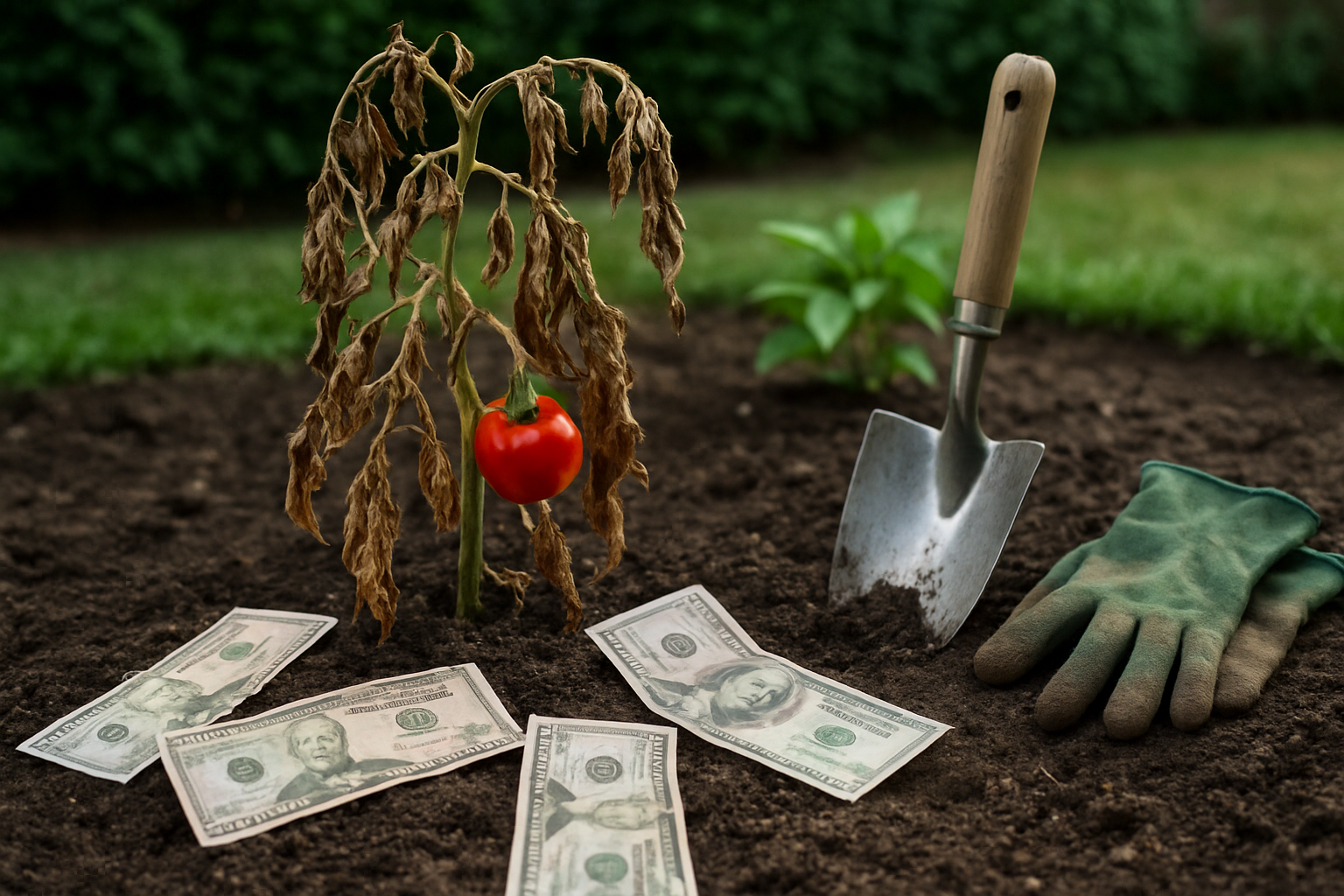
Costly Gardening Mistakes You Should Avoid
Understanding the Importance of Avoiding Gardening Mistakes
Gardening is a cherished hobby for many, offering a blend of tranquility and satisfaction. However, encountering pitfalls can not only impact plant health but also result in financial burdens. In 2026, the focus is on adopting sustainable practices and optimizing costs while nurturing a thriving garden. To assist gardeners in this journey, we've outlined some common but costly gardening mistakes to steer clear of.
1. Ignoring Soil Health
The foundation of garden success lies in the soil. Neglecting soil health can thwart your efforts, leading to poor plant growth and increased expenses in the long run. Recent studies have emphasized the need for healthy soil as it hosts an ecosystem of microorganisms crucial for plant nutrition.
To maintain optimal soil health:
- Regular Soil Testing: Testing your soil once per year can reveal nutrient deficiencies or pH imbalances. By addressing these issues early, you can avoid unnecessary fertilizer costs. The USDA provides resources for local soil testing services. [USDA Natural Resources Conservation Service]
- Compost and Organic Matter: Incorporating compost not only enriches your soil with necessary nutrients but also improves its structure and water retention.
2. Overwatering and Inefficient Irrigation
Water management is vital, especially as climate change challenges gardeners with unpredictable weather patterns. Both overwatering and under-watering can have dire consequences for plants and water bills. As of 2026, tools such as smart irrigation systems have become accessible solutions for garden enthusiasts.
Consider these strategies:
- Smart Irrigation Systems: These systems adapt watering schedules based on weather forecasts, using resources efficiently.
- Mulching: Apply mulch around plants to reduce evaporation and keep soil moist.
3. Planting Without a Plan
A successful garden starts with good planning. Rushing to plant without considering factors such as seasonality, sunlight, and space can lead to overcrowding, poor growth, and wasted investments.
- Research Before Planting: Each plant species has unique needs. For instance, full-sun plants like tomatoes require different conditions compared to shade-loving ferns.
- Companion Planting: Promote beneficial relationships between plants. For example, planting basil next to tomatoes can naturally deter pests.
4. Neglecting Pest Management
While welcoming certain insects into your garden is beneficial, a lack of pest management can be detrimental. A balanced ecosystem is vital to keeping harmful insects in check. According to a 2026 report from the EPA, integrated pest management (IPM) is a sustainable approach widely recommended. [Environmental Protection Agency]
To combat pests effectively:
- Embrace Natural Predators: Encourage beneficial insects, like ladybugs, that prey on garden pests.
- Natural Pesticides: Use biodegradable and non-toxic solutions like neem oil.
5. Avoiding Diversity in Plant Selection
Diversity is key to creating a healthy, resilient garden. Monocultures or over-reliance on a single species can make gardens vulnerable to diseases and pests.
- Diverse Planting: Incorporating a mix of flowers, edibles, and herbs creates a symbiotic environment.
- Native Species: Choose plants that naturally thrive in your region for less maintenance and better growth.
6. Skipping Regular Maintenance
Routine garden upkeep is essential to prevent minor issues from becoming major problems that drain your resources. Regular maintenance helps catch diseases early and ensures long-term garden health.
Key maintenance tasks include:
- Regular Pruning: Remove dead or diseased branches to promote healthy growth.
- Weed Control: Weeds compete for nutrients and water. Use strategies like mulching or manual weeding to manage them.
Conclusion
Avoiding these costly gardening mistakes can illuminate the path to creating a flourishing and cost-effective garden. By focusing on soil health, planning, diversity, and regular maintenance, gardeners can enjoy the fruits (and flowers) of their labor without facing unnecessary expenses. As we continue to learn more about sustainable practices in 2026, staying informed and adapting these principles becomes ever more vital.