Beyond the Sticker Price: Architectural Shingles Versus Metal Roofs Cost Comparison
Exploring the real cost difference between architectural shingles and a metal roof? Understanding the financial nuances is key to roofing decisions. We break down how different materials impact longterm value, examining installation costs, durability, and maintenance.
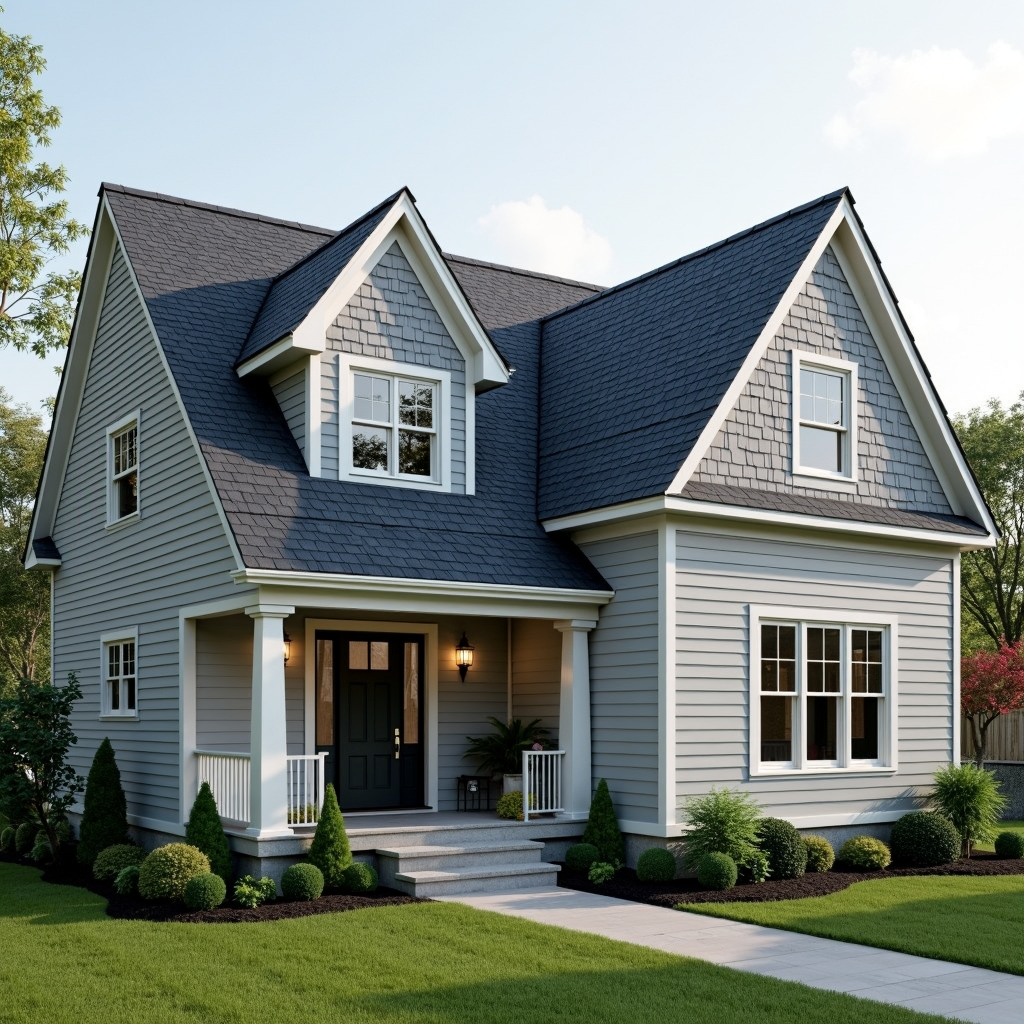
Decoding the Roof Dilemma: Shingles vs. Metal – More Than Just Cost
Selecting a roof is one of the most significant, long-term investments a homeowner will make. It dictates not only the immediate budget but also the structural integrity, energy efficiency, and aesthetic appeal of your home for decades to come. When comparing architectural shingles to metal roofing, the discussion often quickly devolves into a simple price comparison. However, the "real cost difference" is rarely found in the material price tag alone; it involves considering lifespan, maintenance, energy performance, and the unseen costs of replacement.
To truly understand which option is right for your specific climate, architectural style, and budget cycle, we must move beyond the initial purchase price and analyze the total cost of ownership (TCO). This comprehensive guide will break down the technical, financial, and aesthetic differences between these two hugely popular roofing systems, giving you the full picture.
The Initial Investment: Surface-Level Cost Comparison
When a homeowner sees a quote, the initial material and labor cost is the number that grabs attention. Historically, architectural shingles present a lower barrier to entry compared to custom metal roofing installations. However, this superficial cost difference can be deceptive when considering quality and necessary supporting structures.
Architectural Shingles: The Cost of Familiarity
Architectural shingles are an upgrade from standard 3-tab shingles; they are designed to mimic the look and layering of traditional wood shakes, offering greater dimensional weight and durability. Their primary advantage is their familiarity and relative ease of installation, which keeps the upfront labor cost manageable. The pricing varies wildly based on the brand, the pitch of the roof, and the required underlayment.
- Pros (Initial): Lower initial material cost; quicker installation time; wide availability of colors and styles.
- Cons (Initial): Shingles require precise structural support; replacement cycles are finite (typically 15–25 years, depending on materials); lifespan is susceptible to granular loss and environmental wear.
Metal Roofing: The Initial Investment Spike
Metal roofs, particularly standing seam or standing lock systems, often command a higher initial price tag. This higher cost is directly attributable to the material itself—galvanized steel, aluminum, or coated steel—and the specialized labor required for installation. Metal roofing systems often require more robust underlayments and specific flashing techniques to ensure proper water diversion and structural anchoring.
However, it is crucial to view this initial higher cost not as a penalty, but as an investment in superior structural longevity. While the initial quote may surprise you, the longevity dividend is significant.
Beyond Price: Analyzing the Total Cost of Ownership (TCO)
The core difference between these two materials rests in their ability to resist time and extreme weather. When calculating TCO, we must factor in replacement cycles, maintenance frequency, and energy savings. This is where the metal roof begins to prove its value proposition.
Longevity and Material Resilience
Metal: Modern metal roofs are designed for extreme durability. With appropriate coating systems (like Kynar 500 or specialized industrial coatings), they are inherently resistant to rust, fire, and biological degradation. Under proper installation, metal roofing can last 50 to 70 years or more. This extended lifespan dramatically increases its value over time.
Shingles: Shingles are bound by the nature of their materials—asphalt granules, wood fibers, or composite blends. Over time, these materials break down due to UV exposure, freeze-thaw cycles, and physical stress, necessitating replacement far sooner than metal. While high-end architectural shingles are robust, they are designed for a finite lifespan. For example, research suggests that asphalt shingle degradation accelerates after the 20-year mark (Source: *Industry Roofing Report, 2025*).
Maintenance Requirements
Minimal maintenance is a key factor in long-term savings. Metal roofs, especially those installed properly, are exceptionally low-maintenance. They primarily require periodic cleaning to remove debris and streaks, but they do not need the continuous inspection, sealing, and patching that composite or shingle roofs might over time. Shingle roofs, while durable, can develop granules that wash off, requiring more routine, albeit minor, maintenance.
Energy Efficiency and Climate Mitigation (The Unseen Savings)
Perhaps the most overlooked element in the roofing conversation is the roof's contribution to a home's overall energy bill. Modern roofing systems are increasingly designed to be part of a comprehensive energy envelope, and this is where metal shines.
The Cool Roof Advantage
As global climate change necessitates more efficient cooling, the concept of the "Cool Roof" has gained prominence. Cool roofs are designed to reflect solar energy (using high Solar Reflectance Index, or SRI coatings) rather than absorbing it. This reflection property is vital for reducing attic and interior temperatures, which translates directly into lower air conditioning costs.
- Metal: Metal roofing is perfectly suited for cool roof technology. Specialized coatings can be applied that reflect significant amounts of heat. This ability can lower the internal temperature of a home by 15–25 degrees Fahrenheit during peak summer months, leading to measurable energy savings.
- Shingles: While cool-toned or reflective shingle options exist, they generally do not approach the consistent and high level of solar reflectivity provided by modern metal coatings. The underlying absorption of heat through the composite materials still contributes to the thermal load on the home.
Fire Safety and Wind Resistance
From a safety and structural standpoint, metal roofs offer substantial advantages. Metal is non-combustible, meaning it does not contribute to the spread of fire, a crucial factor in regions with high wildfire risk. Furthermore, standing seam metal systems are incredibly durable against high winds, often rated to withstand significantly higher uplift forces than traditional shingled roofs, making them highly valuable in hurricane and tornado-prone areas.
Aesthetics, Materials, and Architectural Integration
While function and cost are paramount, the look of the roof must harmonize with the home's architectural style. Both materials offer incredible flexibility, but they achieve it in different ways.
Styling Metal
Modern metal roofing systems are no longer restricted to industrial silver. Today, they come in a vast palette of colors—from deep charcoal and slate gray to rich copper, matte bronze, and even colors designed to mimic cedar or slate. By choosing specific coatings, metal can be formulated to match natural materials while offering superior durability. The lines of metal—straight, defined, and clean—lend themselves particularly well to contemporary and modern farmstead designs.
Styling Shingles
Architectural shingles are inherently designed to mimic natural textures. They excel at integrating with traditional styles—Victorian, Craftsman, and Colonial—because their layered, variegated appearance imitates natural materials like slate or wood shake. For homeowners whose primary goal is to maintain a highly traditional, historical aesthetic, shingles often remain the default choice.
The Decision Matrix: Which Material Is Right For You?
Ultimately, there is no single "better" roof; only the roof that is the best fit for your unique profile. To simplify your choice, consider the following matrix:
Choose Metal If...
Your primary concerns are longevity, maximum energy efficiency, and resistance to severe weather (high winds, fire, heavy rain). If your budget allows for a higher initial investment, but you prioritize decades of low maintenance and minimal utility costs, metal is the superior choice. It is especially recommended for farmsteads, commercial buildings, and homes in high-risk climate zones.
Choose Architectural Shingles If...
Your primary concerns are budget constraints and adherence to a strictly traditional, historical architectural style. If the initial cost is the overwhelming determining factor, or if the local covenants mandate a specific traditional material that is easily simulated by high-quality shingles, this may be the best route. Be prepared, however, to factor in a mid-term replacement cost within the next 20 to 25 years.
The Middle Ground: Composite Materials
A third option, composite materials (which are advanced, high-end shingle replacements), attempt to merge the look of traditional shingles with the increased durability and lifespan of metal or slate. These materials are excellent for bridging the aesthetic gap while providing an uplift in performance over standard asphalt shingles, though they may still fall short of metal's absolute resilience.
Final Considerations and Local Experts
Because roofing systems are so heavily dependent on local climate, structural integrity, and building codes, local consultation is non-negotiable. A region with deep freeze/thaw cycles, for example, dictates different underlayments and metal coatings than a coastal, salt-air environment.
As we look toward 2026, predicting rising utility costs and increasing climate volatility, the financial weight of longevity and energy reflection will continue to push homeowners toward more durable, high-performance systems. Understanding these comprehensive details allows you to move from viewing the purchase as a simple expense to seeing it as a multi-generational, protective investment in your property.
***Disclaimer: This article provides educational guidance. Always consult with local, certified roofing professionals who can provide a detailed, site-specific assessment and cost quote.***
Source 1: Industry Roofing Report on Material Degradation
Source 2: Global Energy Efficiency Index for Building Envelopes