Botox vs. Fillers: A Guide to Choosing the Best Treatment for You
Unsure whether Botox or fillers fit your beauty goals? Our guide breaks down the differences, helping you decide which treatment might align with your needs. Botox can target fine lines, while fillers address volume loss, but individual results may vary.
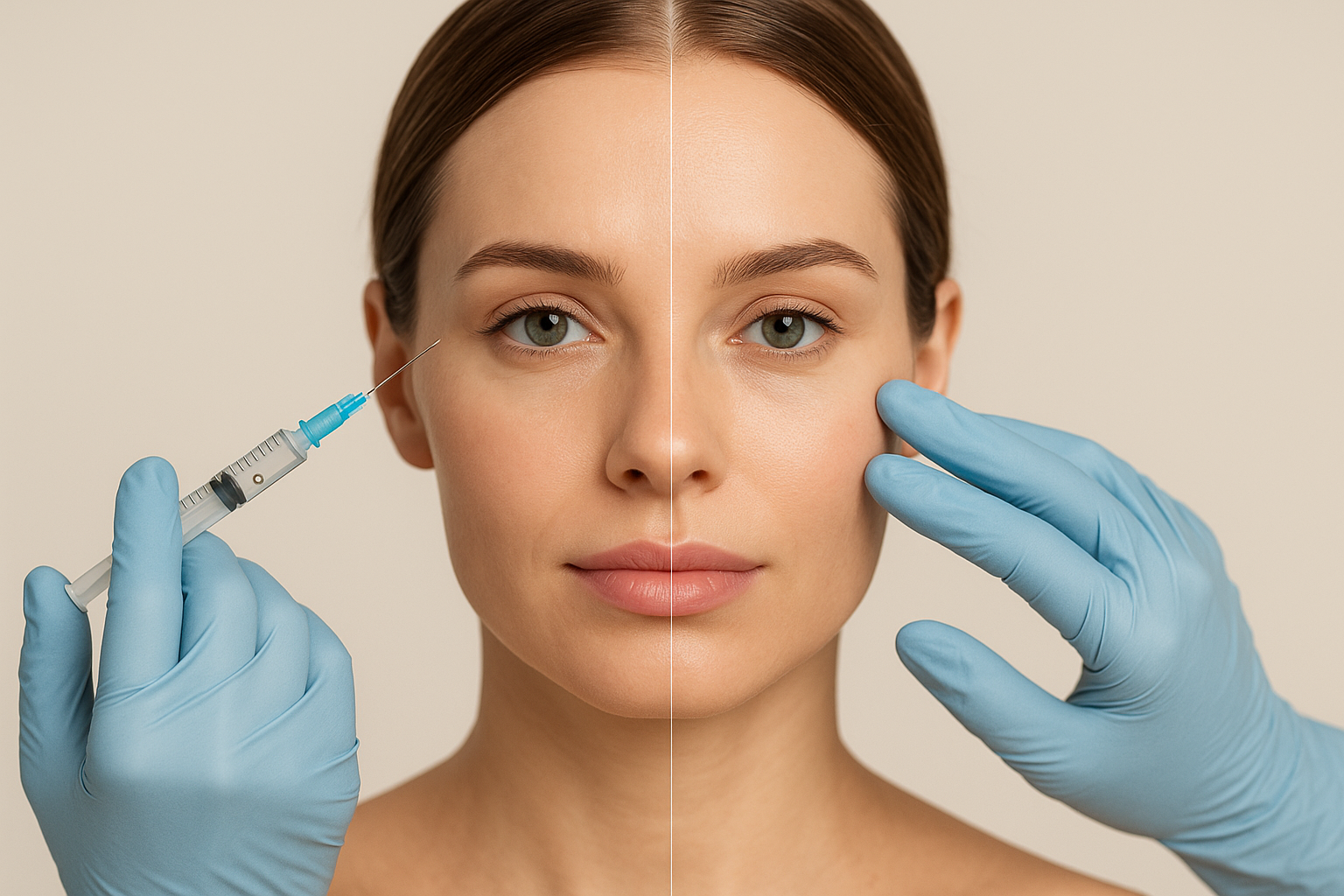
Understanding the Difference: Botox Vs Fillers
When it comes to rejuvenating your appearance, two popular treatments often come to mind: Botox and dermal fillers. Both offer solutions for smoother, more youthful-looking skin, but they serve different purposes. Understanding the differences between these treatments can help you make an informed decision about what's right for your beauty needs.
What is Botox?
Botox, or Botulinum toxin, is a neurotoxic protein that temporarily paralyzes muscle activity. This temporary paralysis reduces the appearance of fine lines and wrinkles, especially dynamic wrinkles formed by facial expressions. Common areas treated with Botox include:
- Forehead lines
- Crow's feet around the eyes
- Frown lines between the eyebrows
Botox treatments are typically quick, often completed within 10-15 minutes, and results can last from three to six months.
What are Dermal Fillers?
Unlike Botox, dermal fillers are substances injected beneath the skin to add volume and fullness. They can be made from a variety of substances, including hyaluronic acid (popular in brands like Juvederm and Restylane) or calcium hydroxylapatite. Fillers are used for:
- Smoothing nasolabial folds (lines from the nose to mouth)
- Enhancing lips and cheeks
- Reshaping the chin and jawline
Depending on the type of filler used, effects can last from six months to two years.
How Do Botox and Fillers Work?
The Mechanism of Botox
Botox works by blocking nerve signals in the muscles where it's injected. With the nerve signals interrupted, the muscle is unable to contract. This lacks of action results in the smoothing of the skin overlaying the muscle.
The Mechanism of Fillers
Dermal fillers, conversely, are primarily volumizing agents. They fill in wrinkles and add a smoother look by physically altering skin contours or adding volume where it has been lost. Different fillers are designed for specific purposes depending on the thickness and elasticity of the filler substance.
Making the Choice: Botox or Fillers?
Your decision to use Botox or fillers (or both) will depend on the specific results you are looking to achieve. Here are some considerations:
When to Consider Botox
If your primary concern involves dynamic wrinkles and lines caused by facial expressions, Botox may be a suitable choice. It is particularly effective for wrinkles in motion, such as crow's feet and forehead lines.
When to Consider Dermal Fillers
If you’re seeking to add volume to your face—like plumping lips, enhancing cheekbones, or filling deep lines—dermal fillers may be the better option. They are particularly beneficial for aging concerns where volume loss is prominent.
Safety and Side Effects
Both Botox and fillers are deemed safe when performed by a qualified healthcare professional. However, as with any cosmetic procedure, there are potential side effects to consider.
Common Side Effects of Botox
Botox side effects are generally mild and can include:
- Bruising or swelling at the injection site
- Headaches
- Rarely, drooping eyelids or asymmetrical facial expressions
Common Side Effects of Fillers
Side effects from dermal fillers may include:
- Redness or bruising at the injection site
- Itching or rash
- Lumps or swelling
In rare instances, improper injection techniques can lead to more severe complications, which highlights the importance of seeking a reputable professional.
Latest Research and Trends in 2026
According to recent data from the American Society of Plastic Surgeons, non-surgical procedures continue to see an uptrend, with Botox and fillers among the top treatments in 2026 due to their minimal downtime and satisfying results source. New advancements have also introduced hybrid fillers that combine different materials for longer-lasting and more natural-looking results.
A Personalized Approach
The choice between Botox and fillers often comes down to a personalized approach. Consulting with a board-certified dermatologist or plastic surgeon can help tailor the treatment to your unique skin type and aging concerns, allowing for bespoke solutions that address multiple concerns simultaneously.
Conclusion
Both Botox and dermal fillers can significantly enhance one's appearance with the right application and professional guidance. By comprehending each treatment's capabilities, limitations, and the results they provide, you can better align your options with your personal aesthetic goals and budget. Ultimately, the journey to rejuvenation is personal, and being informed is the first step in achieving the results you desire.