Central AC Blowing Warm Air? Common Causes and Simple Checks to Restore Cool Comfort
Encountering warm air when you expect cool air? Understanding why your central air conditioning blowing warm air instead of cold might sound complex, but it's often solvable. From simple filter clogs to minor system malfunctions, many issues affect performance.
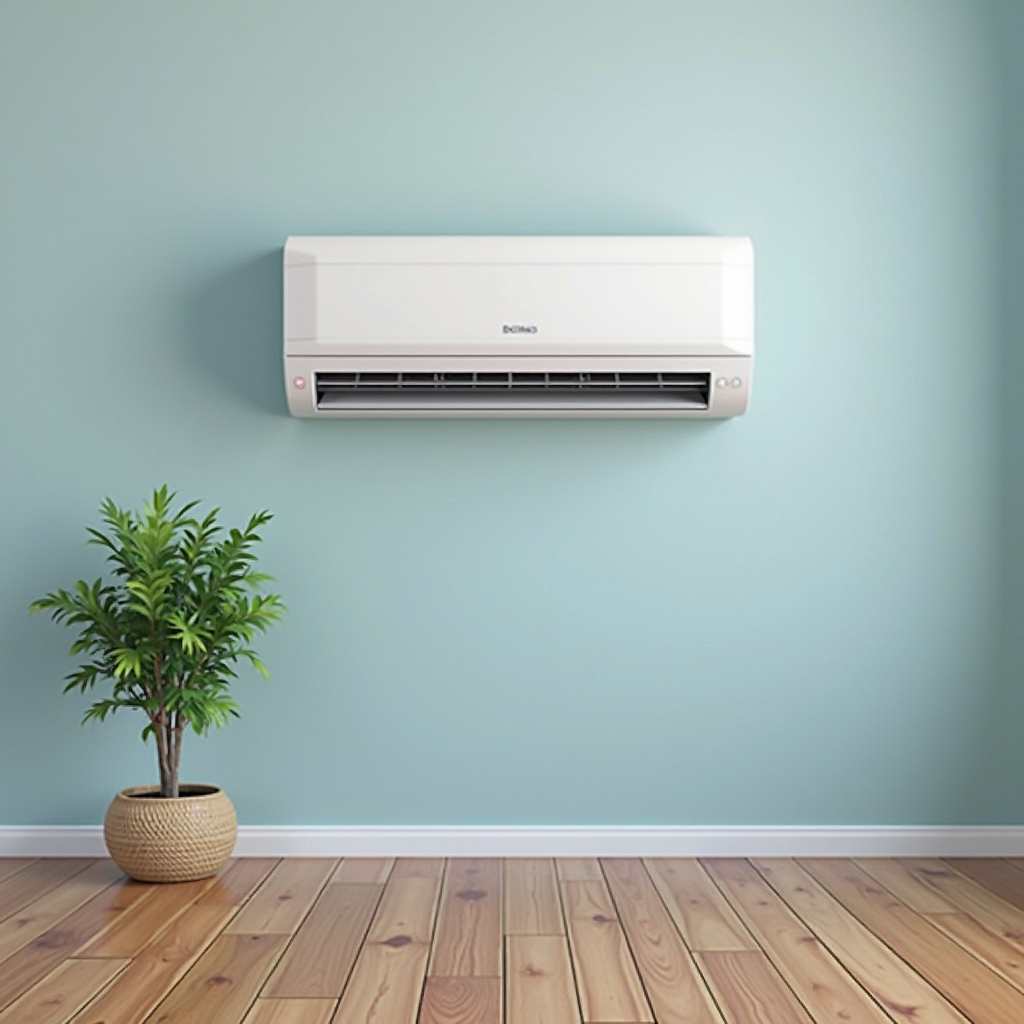
Why Is My Central Air Conditioning Blowing Warm Air Instead Of Cold? Understanding the Core Problem
If your central air conditioning unit, or "AC," is struggling to keep your home cool, and instead you are feeling a stream of air that is merely lukewarm or even distinctly warm, it is natural to feel frustrated and concerned. This is one of the most common calls we receive, and the good news is that while it sounds like a catastrophic system failure, the cause is often much simpler and more manageable. Understanding the root cause is the first step toward restoring the cool comfort you expect.
The fundamental principle of AC is transferring heat from inside your home to the outside environment. When the system fails to cool the air, it usually means one of three things: insufficient airflow, a problem with the refrigerant cycle, or a failure in the component responsible for managing the heat exchange. Before calling a professional, however, there are several critical, often overlooked checks you can perform yourself. These checks help you narrow down whether the issue is low-hanging fruit (like a dirty filter) or something that requires specialized HVAC expertise.
Initial DIY Checks: Simple Fixes for Common Issues
Many seemingly complex problems are solved by basic maintenance. Approach these checks methodically to ensure you don't miss an obvious culprit. These preliminary steps are crucial and take only minutes of time.
- Inspect the Air Filter: This is the single most common cause of poor AC performance. A heavily clogged filter acts like a dam, restricting the airflow across the evaporator coil. Less air means the coil cannot absorb enough heat, resulting in warmer, less powerful air output. Replace the filter as recommended by your manufacturer, even if it doesn't look completely filthy.
- Check the Condensate Drain Line: AC units produce condensation (water) as they cool the air. If this drain line clogs (often with algae or sludge), water can back up, potentially affecting the blower motor or the overall efficiency of the unit.
- Examine the Outdoor Unit (Condenser): The outdoor unit is responsible for dumping the excess heat. If this unit is surrounded by debris, overgrown weeds, or if the internal fins are heavily coated in grime (which can happen from dust, pet hair, or pollen buildup), it cannot shed heat effectively. You must ensure adequate clearance and clean the fins carefully.
The Refrigerant Cycle: Understanding the Chemistry of Cooling
If the preliminary checks pass without resolving the issue, we must delve into the physics and chemistry of the refrigeration cycle. This system relies on a chemical compound called refrigerant (often referred to generically as Freon, though modern refrigerants are different, such as R-410A or R-32). The refrigerant doesn't *create* cold; rather, it undergoes phase changes—it evaporates (liquid to gas) and condenses (gas to liquid)—which facilitates the transfer of heat.
Low Refrigerant Levels (Leaks)
A refrigerant leak is a serious issue. When the system detects a drop in pressure and temperature, the air will be noticeably warmer than normal. It is critical to understand that **you should never attempt to recharge a system without first locating and fixing the leak.** Refrigerant is under high pressure, and simply adding more refrigerant is a temporary, dangerous fix. The underlying leak must be professional sealed.
Compressor Malfunction
The compressor is the "heart" of the AC system. It pressurizes the refrigerant, which is the work that drives the entire cooling cycle. If the compressor struggles to start, or if it is running inefficiently, it means the necessary pressure differential is not being created. Signs of compressor trouble include loud humming noises, intermittent cycling, or no output at all. In many cases, the electric motor within the compressor simply fails and requires replacement.
Hidden Electrical and Operational Issues
Beyond the major components (compressor, coil, refrigerant), the issue could be related to the supporting electrical infrastructure or operational settings.
Thermostat Calibration and Settings
Sometimes the system isn't failing, but the instructions aren't clear. Check your thermostat settings. Are you set to "Cool" and not "Auto"? Is the temperature differential wide enough? A thermostat that is dirty, placed in direct sunlight, or improperly wired can give misleading readings, causing the AC to operate inefficiently or never at all. If your home uses a smart thermostat, ensure that its connectivity and power source are stable.
Blower Motor Performance
The blower motor is responsible for moving the air across the cold evaporator coil. If this motor is weak, or if the motor capacitor is failing, the air will be pushed through the system at insufficient volume, even if the refrigerant is perfect. The result is a consistent, warm stream because not enough air is moving over the coil to absorb the latent heat.
The Impact of Humidity and System Sizing (The 2026 Perspective)
The performance of an AC system is deeply intertwined with the local climate and the size of the home. As climate patterns continue to shift, demanding increased cooling capacity, properly sized and maintained equipment becomes even more vital. By 2026, modern HVAC units are increasingly designed to handle higher humidity loads, making dehumidification just as important as simple cooling.
If your home has undergone significant changes—such as adding a second story, finishing a basement, or improving insulation in an energy-efficient manner—the original AC unit may be grossly undersized. An undersized unit will run constantly and struggle to hit the thermostat set point, leading to the perception of inadequate cooling, even if the unit itself is mechanically sound. Conversely, an oversized unit will cycle too quickly, cooling the space quickly but failing to adequately remove humidity, which can make the indoor air *feel* warmer and muggier.
Troubleshooting Advanced Problems: Coil Efficiency and Air Flow
If all the basic checks have failed, the issue often resides in the heat exchange mechanism itself. We must consider both the evaporator coil (indoors) and the condenser coil (outdoors).
Evaporator Coil Issues (Indoor)
The evaporator coil is where the cool air is created. If this coil becomes dirty, develops mineral deposits (scale), or if the insulation around the coil leaks, its ability to absorb heat plummets. Mineral buildup is often accelerated in hard water areas. This requires professional flushing and deep cleaning, not simple dusting.
Air Ducts and Ductwork Integrity
Airflow resistance is a silent killer. If you have gaps, tears, or badly sealed ducts in your attic or crawlspace, a substantial amount of conditioned air is simply leaking into unconditioned spaces. This loss of pressure (or CFM – Cubic Feet per Minute) dramatically reduces the cooling power delivered into your living space. Professional duct sealing and inspection can sometimes solve the problem before a component failure is suspected.
Summary: A Diagnostic Flowchart
When diagnosing the warm air issue, remember this systematic flow:
1. **Is the Air Moving?** (Check filters, ducts, and blower motor.)
2. **Is the System Pressurized and Cycling?** (Check outdoor unit, capacitors, and electrical components.)
3. **Are the Heat Exchangers Clean and Functioning?** (Check evaporator and condenser coils for buildup and leaks.)
By approaching the problem with a methodical diagnosis, you can save time, money, and comfort. Whether the culprit is a simple clog, a compromised electrical component, or a refrigerant leak, expert diagnosis is key. Don't ignore the warm air; it is your system telling you precisely what needs attention to restore optimal comfort.